Introduction
Choosing a deck color can feel stressful. You want something that looks modern, hides dirt, and matches your home. Many homeowners worry that the deck will look outdated in a few years.
Grey two-tone decks are a smart solution. They combine light and dark shades to create depth, define zones, and make spaces feel larger. They also work with different house colors and styles.
This guide gives you 16 grey two-tone deck ideas that are practical, stylish, and easy to apply in 2026. You will learn which shades to pick, how to arrange patterns, and which accents add the most impact. These ideas also consider maintenance, durability, and visual appeal. By the end, you will have actionable solutions to design a deck that works for your lifestyle.
Why Grey Two-Tone Decks Work
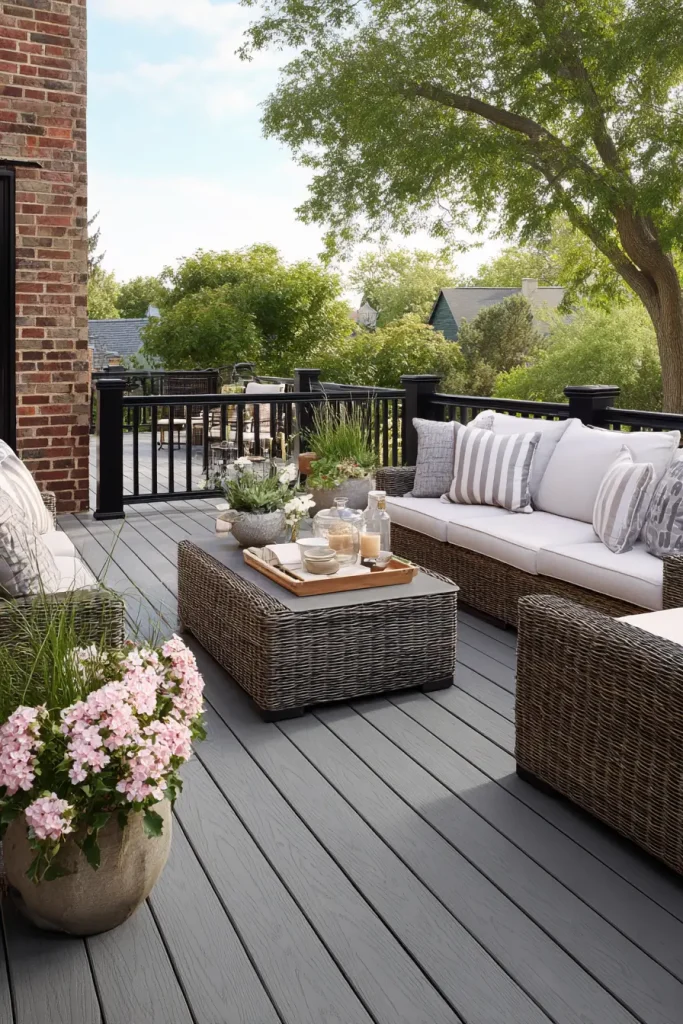
Grey is neutral and versatile. It pairs with almost any home exterior color, from brick to siding. Two-tone designs add depth and prevent the deck from feeling flat.
Light grey boards make small decks feel bigger. Dark grey hides dirt, scratches, and fading. This reduces maintenance over time. Composite boards are low-maintenance, resist sun damage, and last for years.
Using two tones also helps define zones naturally. You can create a dining area, lounge area, and walkway without adding fences or walls. This makes the deck feel organized and intentional.
Neutral palettes continue to dominate 2026 deck designs. They look fresh without needing frequent updates.
Tip: When picking two shades, choose one that will dominate (flooring) and one that accents edges or borders. This keeps the design balanced.
1. Light Grey Center, Dark Grey Edges
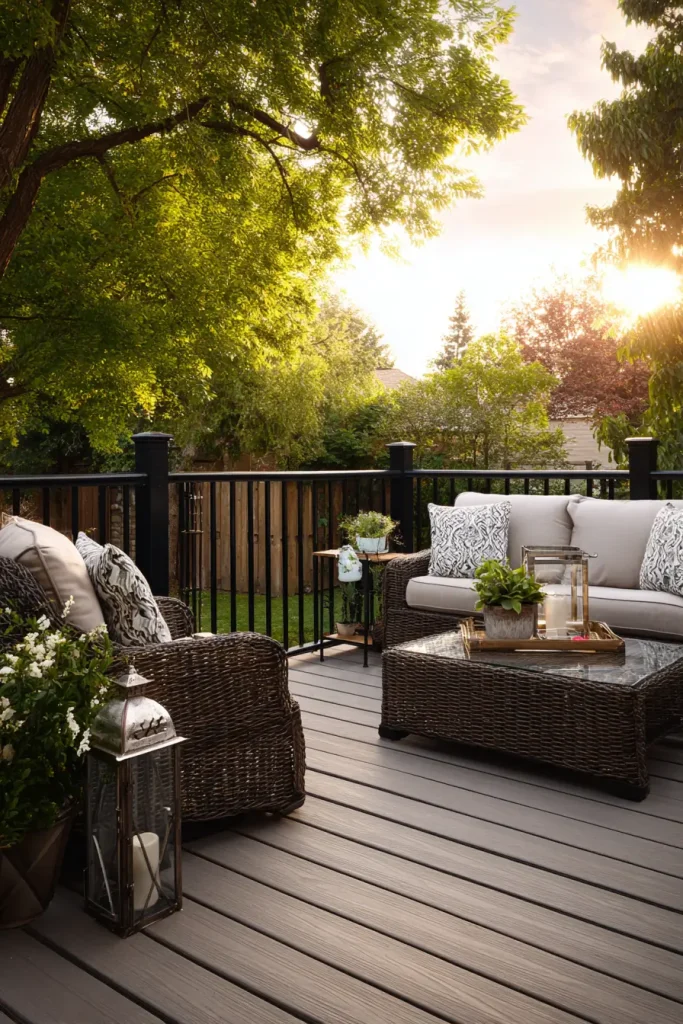
Place light grey boards in the center and dark grey boards along the edges. This frames your deck.
It works with most railing styles and outdoor furniture. Dark edges hide dirt and create a polished look.
Extra tip: If your deck gets a lot of sun, choose UV-resistant boards to avoid fading along the edges.
2. Diagonal Boards
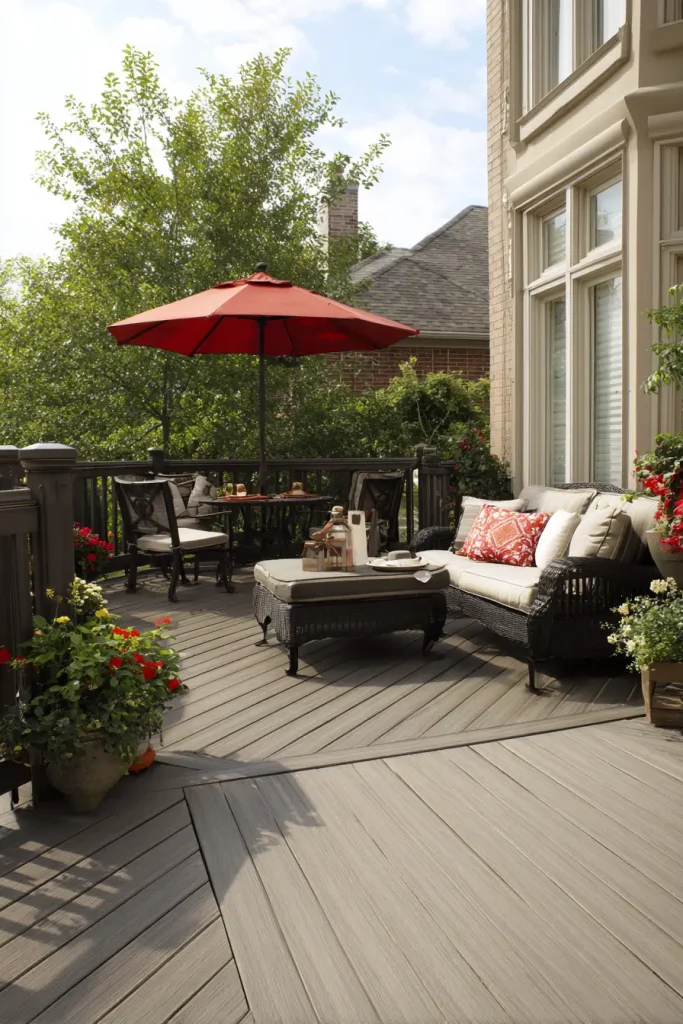
Lay boards at a 45-degree angle.
Use a mix of light and dark greys to create movement. Diagonal boards make narrow decks feel wider and add visual interest.
Extra tip: Diagonal layouts can cost slightly more due to cuts, but they add a high-end feel.
3. Herringbone Pattern
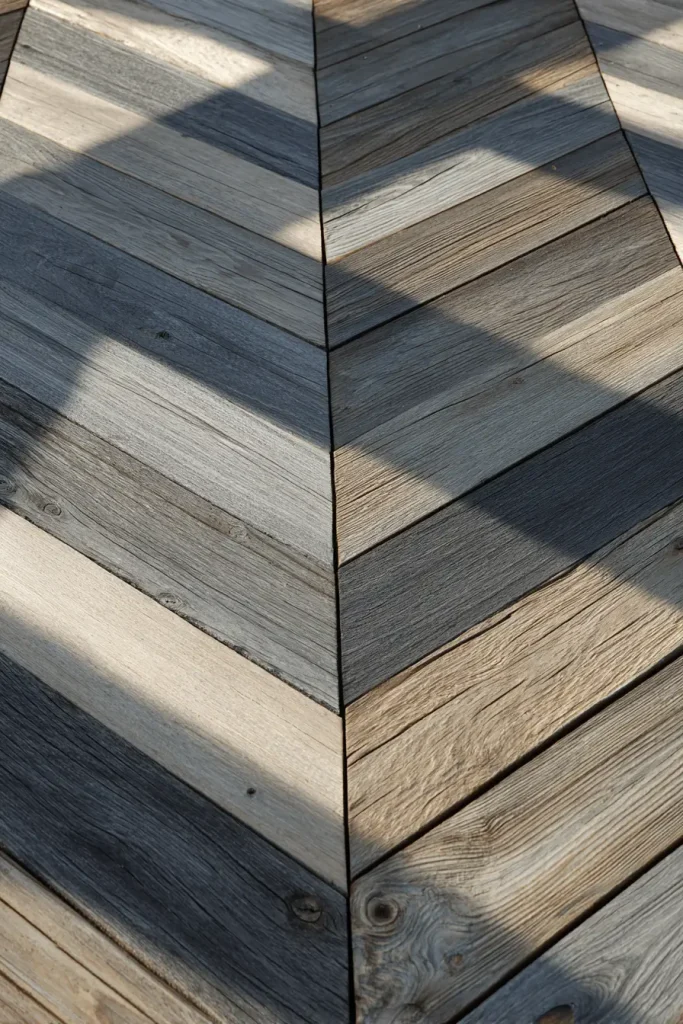
Place boards in a zig-zag herringbone style. Alternate light and dark grey boards.
This works well under seating areas. It draws attention to the center of the deck and gives a professional look.
Extra tip: Use this in small zones rather than the whole deck to keep costs reasonable.
4. Dark Grey Border
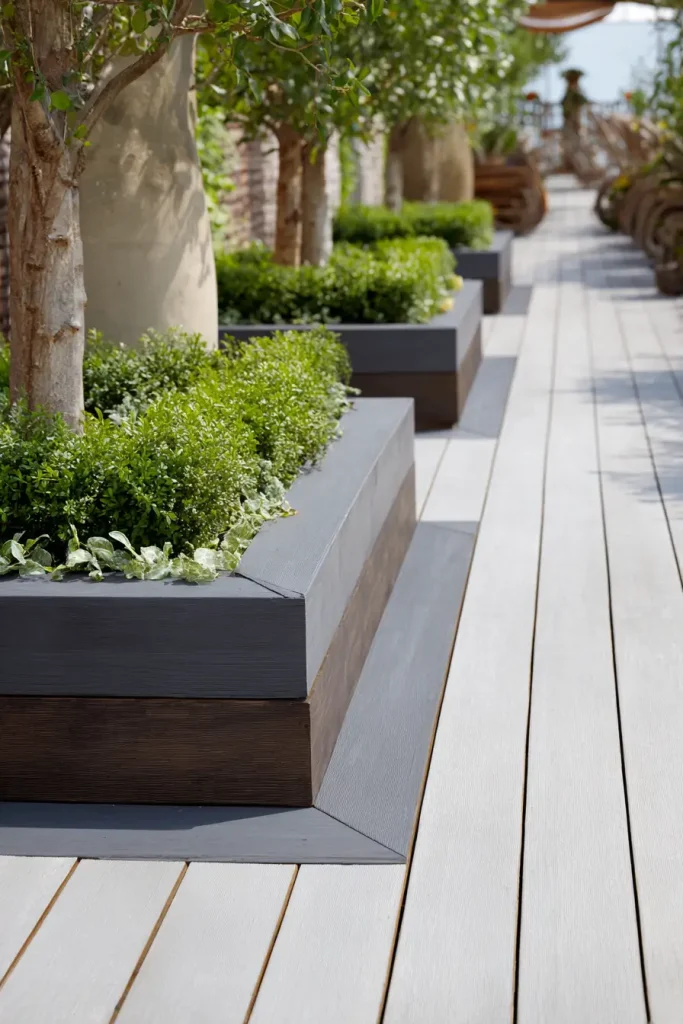
Use light grey boards in the middle and a dark grey border on all sides.
The border frames the deck and adds a clean finish. It also defines the edges visually for safety.
Extra tip: This works well if your deck connects to a garden or patio walkway
5. Black Railings

Combine grey boards with black metal railings.
The black adds contrast and creates a modern look. It makes grey boards appear richer and more intentional.
Extra tip: Powder-coated black railings resist rust and require less maintenance than painted metal.
6. White Trim
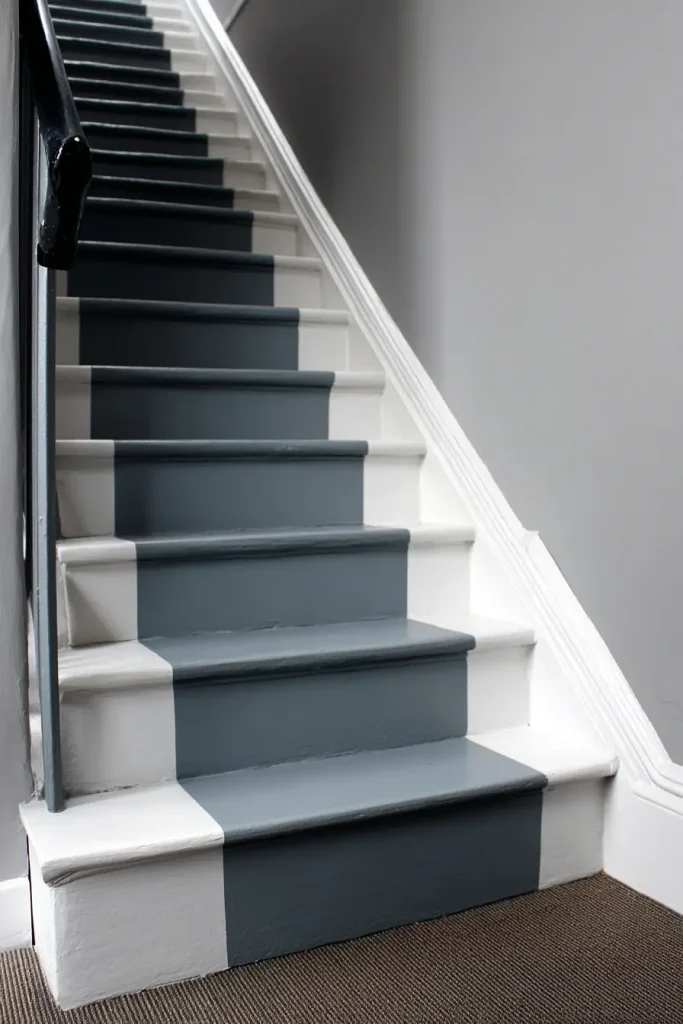
Add white trim around grey boards.
White brightens the deck and makes grey shades stand out. It also pairs with outdoor furniture of any color.
Extra tip: Choose weather-resistant paint or PVC trim to avoid peeling over time.
7. Stone Accents
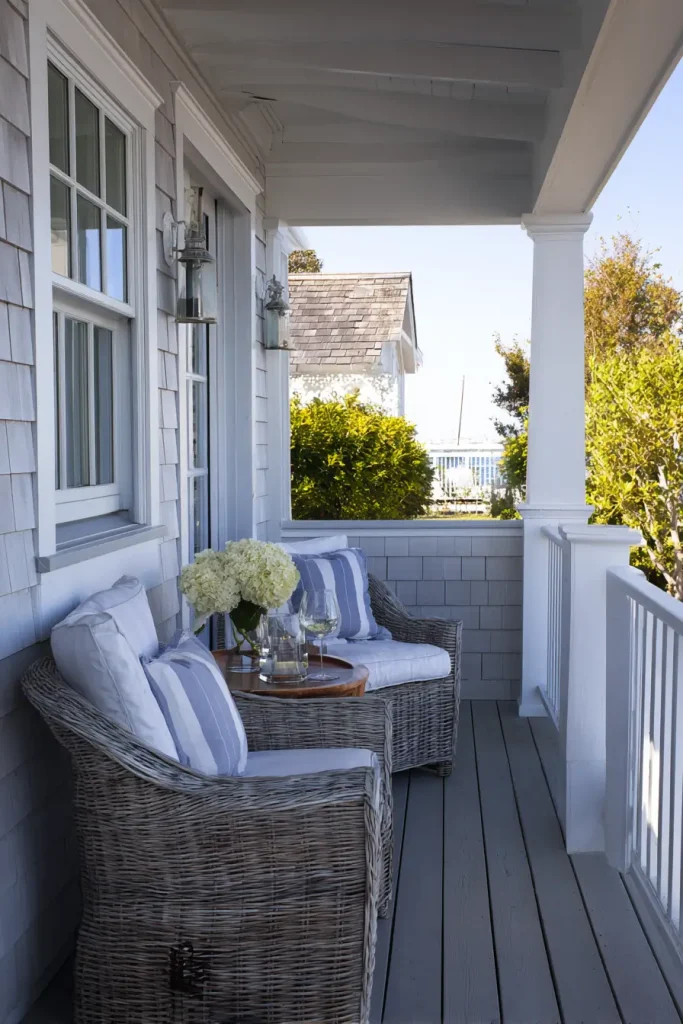
Place slate or granite near your grey deck.
Stone adds texture and warmth, balancing the cool tones of grey. It is ideal for garden edges or seating areas.
Extra tip: Stone can double as a border for planters or fire pits, reducing installation costs.
8. Medium Grey Floor, Dark Grey Accents

Use mid-grey boards for the main floor and dark grey for steps, edges, or borders.
This subtle contrast creates a clean, intentional look. It hides dirt while keeping the deck visually interesting.
Extra tip: For high-traffic areas, consider textured boards to prevent slipping.
9. Highlight Around Fire Pit
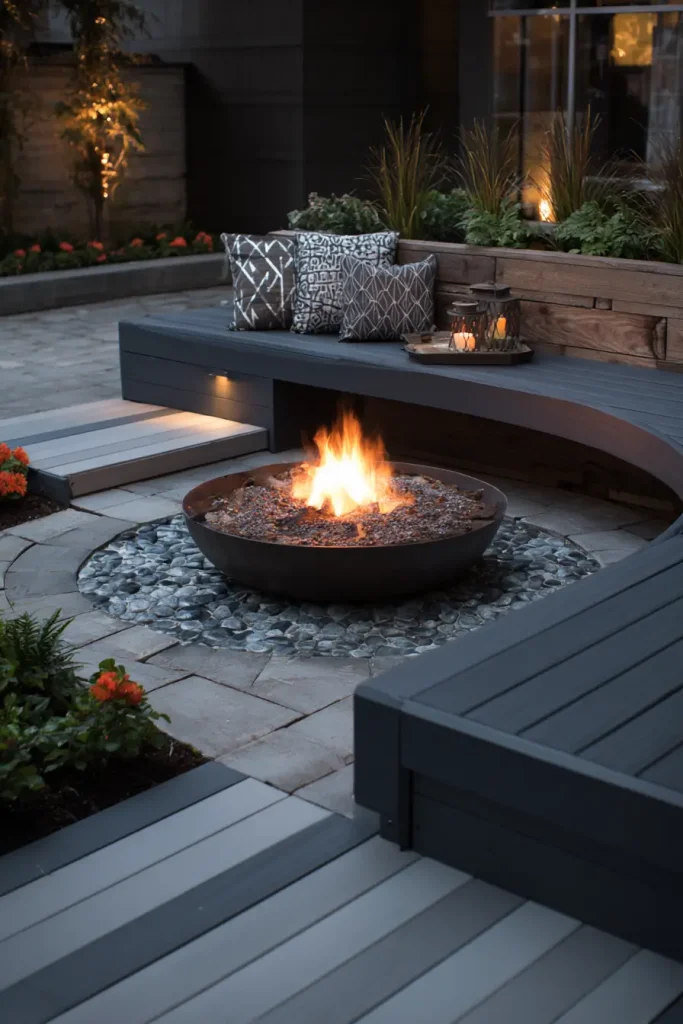
Use dark grey boards around a fire pit.
Lighter grey boards elsewhere draw attention to the fire area. This visually defines the space and creates a cozy focus.
Extra tip: Keep a small gap between the fire pit and boards to prevent heat damage.
10. Separate Zones with Shades
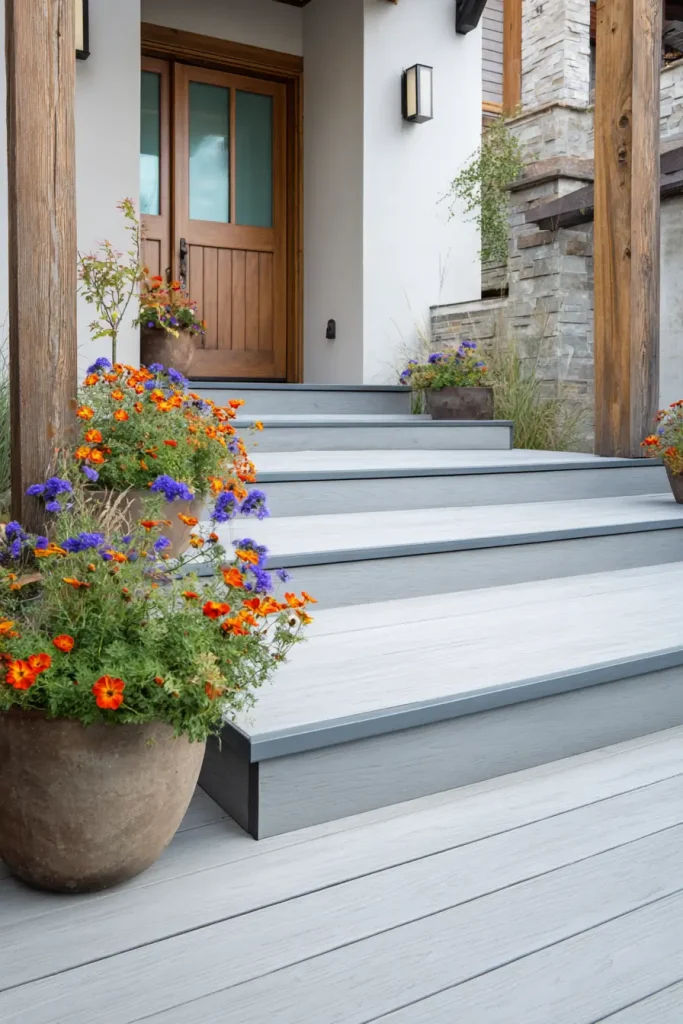
Choose one grey for a dining area and another for a lounge area.
This divides spaces naturally without walls. Guests can easily see where to sit and where to walk.
Extra tip: Use rugs or planters to further define zones without permanent structures.
11. Grey with Wood Trim
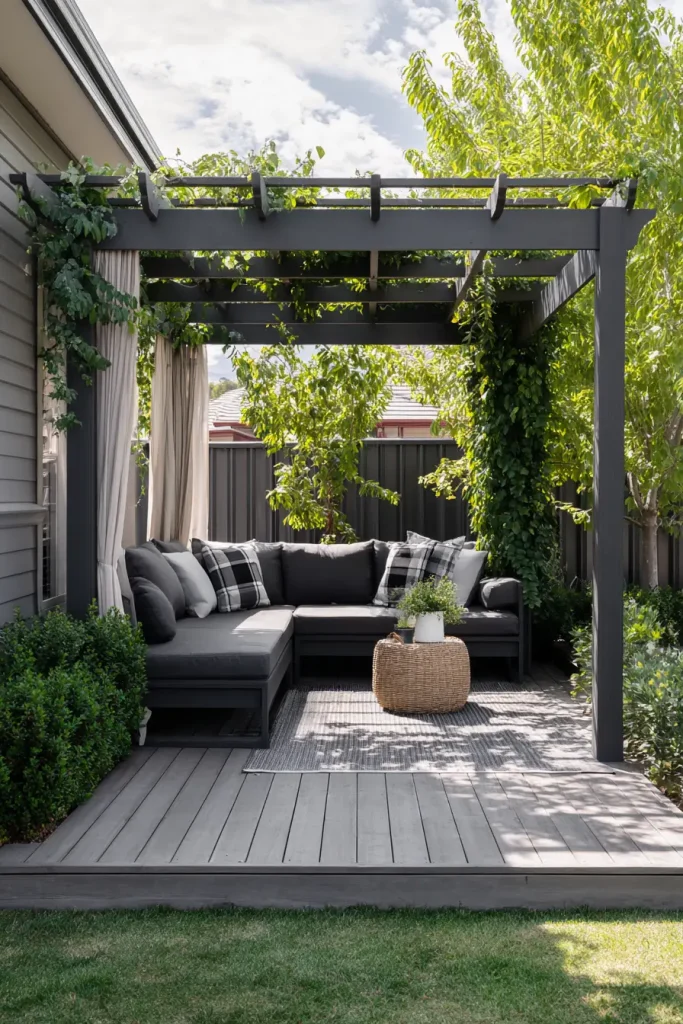
Add thin natural wood strips between grey boards.
Wood adds warmth and breaks the monotony of grey. It complements furniture and garden greenery.
Extra tip: Use treated wood to prevent rot and warping.
12. Grey with Plants

Place potted plants or garden beds near grey boards.
Greenery softens the grey tones and adds life to the deck. It also helps define zones and create privacy.
Extra tip: Use raised planters to avoid soil staining the boards.
13. LED Lighting
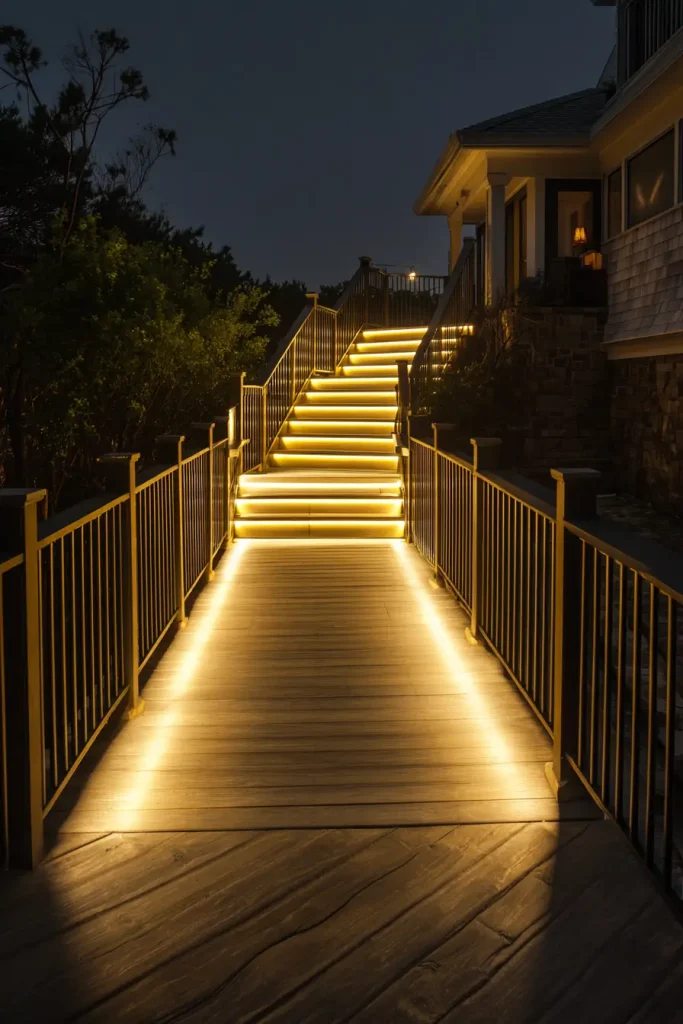
Add LED strips under railings or along steps.
Lighting highlights patterns at night, makes the deck safer, and creates a welcoming environment.
Extra tip: Choose dimmable lights to adjust the mood for parties or quiet evenings.
14. Stair Tread Accent

Paint stair treads a slightly different grey.
This increases visibility and adds a subtle style element. It also helps prevent accidents.
Extra tip: Use non-slip paint or tape for extra safety.
15. Grey Pergola
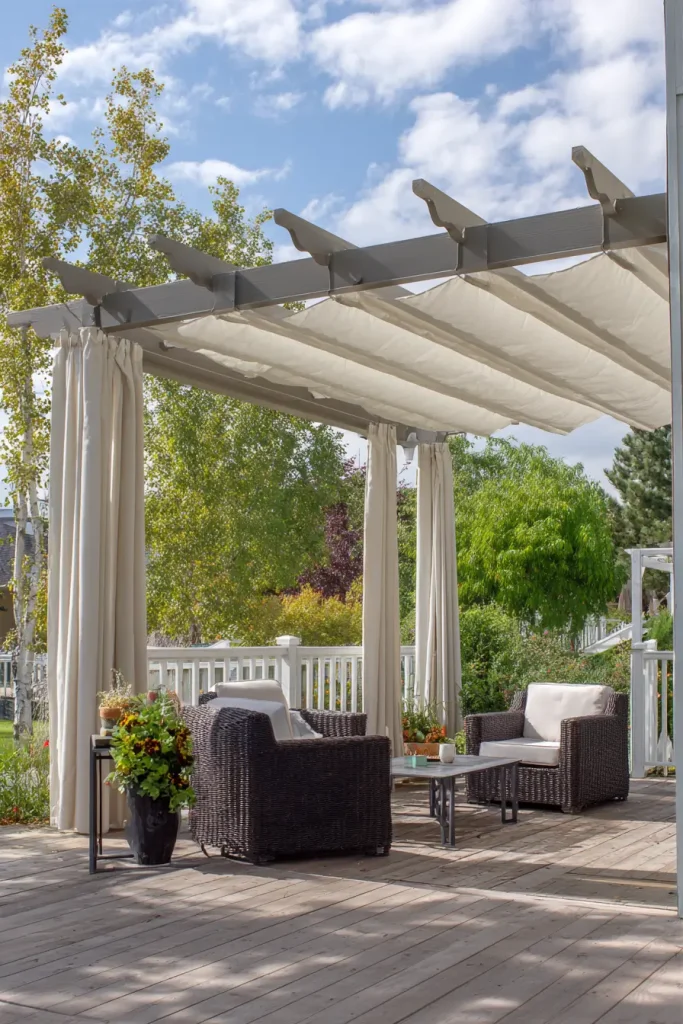
Build a pergola in matching grey tones.
It creates shade, defines a seating area, and makes the deck feel built-in.
Extra tip: A grey pergola pairs well with climbing plants or outdoor curtains for added privacy.
16. Outdoor Rugs
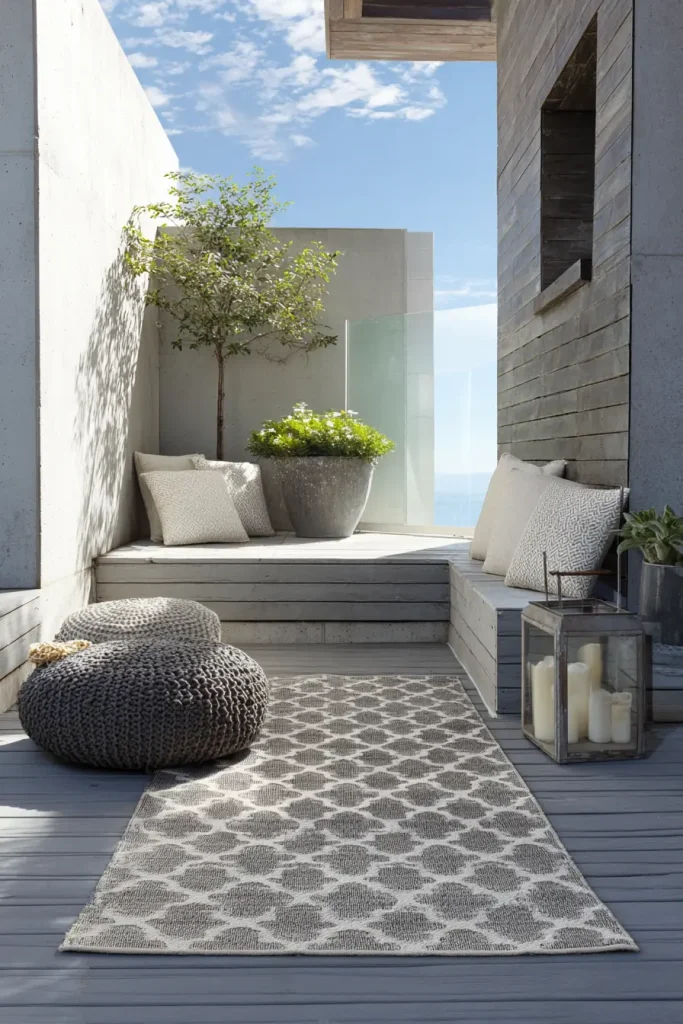
Place neutral outdoor rugs on grey boards.
Rugs add comfort, define zones, and break up large grey areas. You can change them seasonally for variety.
Extra tip: Choose weather-resistant rugs for longevity and easy cleaning.
Choosing the Right Grey Shades
Cool greys feel modern. Warm greys feel inviting. Mid-tone greys hide dirt better than very light or very dark greys. Always consider your home’s exterior. Test samples on your deck to see how the shades look in sunlight. Pair grey with black, white, or wood accents for balance and contrast.
Best Materials
Composite boards are durable, low-maintenance, and resist stains, fading, and moisture. PVC boards also resist fading and weathering. Adding wood accents softens the look without adding much maintenance. Use boards from reliable brands to ensure long-lasting colors and finishes.
Mistakes to Avoid
Too many shades make a deck look messy. Choose two complementary greys. Avoid shades that clash with your home exterior. Consider lighting and practical use before choosing patterns. Simple, intentional designs look better than complex or busy layouts.
Conclusion
Grey two-tone decks are practical, stylish, and flexible. They help hide wear, define zones, and match many home colors. Using these 16 ideas, you can create a modern deck that looks good and feels comfortable. Pick two shades you like, add borders or accents, and design a deck that works for your space and lifestyle.

- 17 Classy Living Room Ideas for a Cozy Elegant Look - April 23, 2026
- 16 Dark Moody Living Room Ideas That Feel Rich and Warm - April 22, 2026
- 14 Elegant Bedroom Trends for 2026 You’ll Love - April 22, 2026