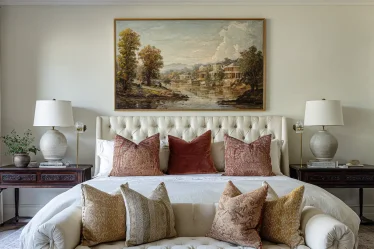
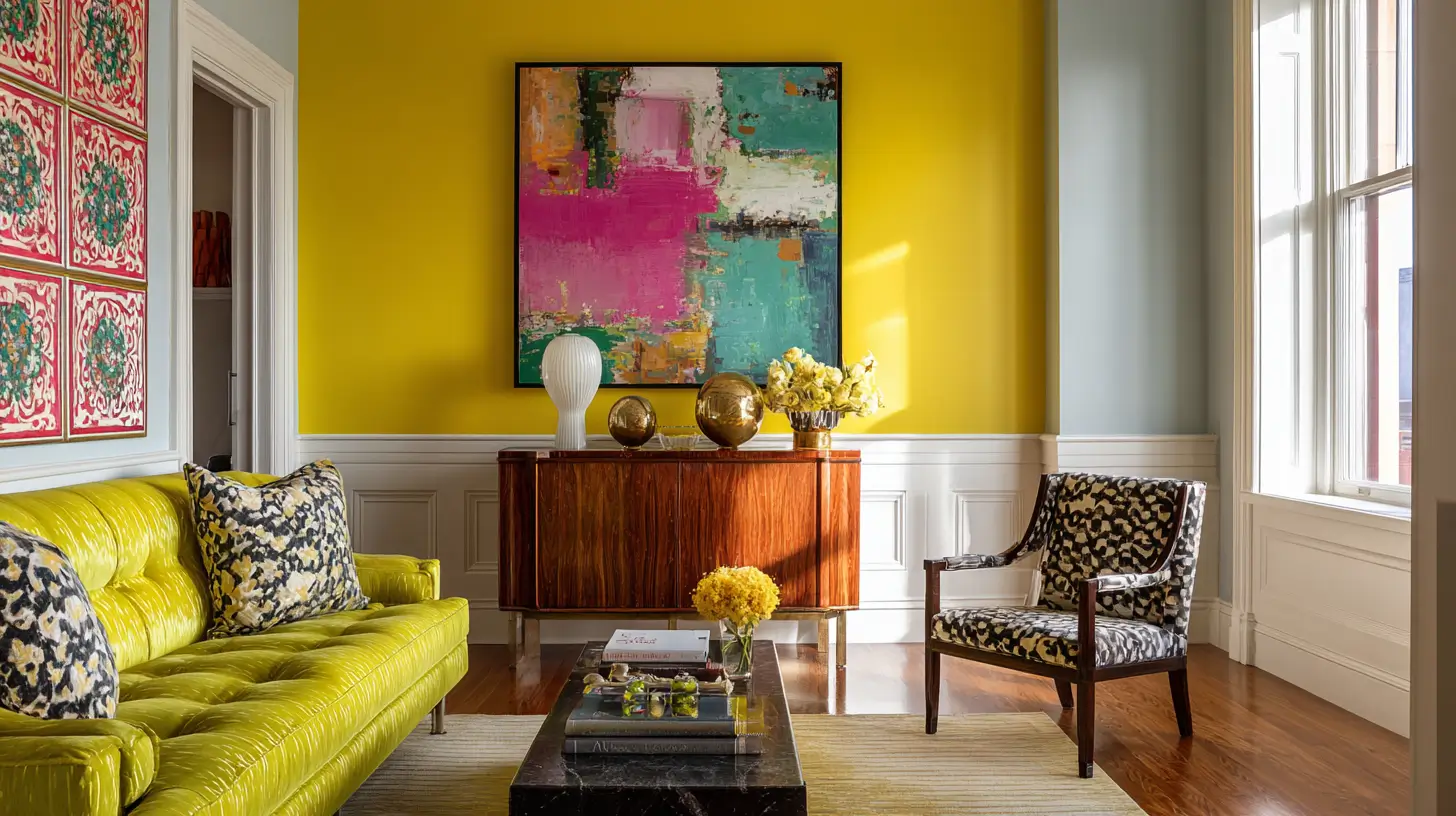
You stare at the same beige wall every day. It does nothing. It says nothing. And repainting the whole room feels like too much work, too much money, and too much mess.
Here’s the thing: you don’t need to redo the whole room. You just need one wall.
One accent wall can make a flat, forgettable room feel like something you actually designed. Not stumbled into. And most of these ideas cost less than a dinner out.
In this guide, you’ll find 17 specific accent wall ideas. Each one includes what it costs, who it’s best for, and how to actually do it. Some take an afternoon. Some take a weekend. All of them work.
Before You Pick an Idea, Pick the Right Wall
This step matters more than most people think.
Walk to your room’s doorway. Stop. Look straight ahead. Where does your eye go first? That’s your accent wall.
Here’s a simple 3-step check:
- Is it the first wall you see when you enter? Good sign.
- Does it have fewer doors, windows, and outlets breaking it up? Even better.
- Does a natural anchor live here? Think: your bed’s headboard wall, your fireplace wall, or the wall behind your TV.
In most bedrooms, the wall behind the headboard wins. In living rooms, the fireplace wall or the TV wall tends to be the natural choice.
One thing most people skip: ceiling height matters. If your ceilings are low, vertical treatments like board and batten make the room feel taller. Wide horizontal patterns do the opposite.
Once you know your wall, the rest gets much easier.
17 Accent Wall Ideas That Actually Work in 2026
1. Deep Paint Color: The Fastest $30 Transformation

Paint is still the most powerful tool you have. And the trend right now is going darker, not lighter.
Colors like Sherwin-Williams Caviar, Benjamin Moore Black Bean, and deep forest greens are showing up everywhere in 2026. The secret is what designers call “color drenching.” That means you paint the wall AND the trim the exact same shade. It makes the color feel intentional, not sloppy.
One coat won’t cut it with dark colors. Plan for two coats and use a high-quality primer first.
Best for: Any room, any skill level, renters who are allowed to paint. Estimated cost: $25 to $50 for paint and supplies. Pro tip: Use the Sherwin-Williams ColorSnap Visualizer at sherwin-williams.com to preview the color in your actual room before you buy.
2. Limewash Paint: The Textured Wall Trend Everyone Is Copying

Limewash paint gives your wall a soft, aged, European-plaster look. It’s not flat like regular paint. It has depth and texture that changes slightly depending on the light.
It’s made from calcium carbonate and water. You apply it with a large brush and work it in circular motions. The result looks like it took a professional. It didn’t.
Portola Paints is the most recommended brand. Their Classico Limewash line is what you’ll see on most design blogs right now. Google searches for “limewash paint wall” grew over 200% between 2022 and 2024, so this trend has real staying power.
Best for: Bedrooms, living rooms, anyone who wants texture without installing anything. Estimated cost: $60 to $120 depending on wall size and brand. Pro tip: Practice on a scrap piece of drywall or cardboard first to get the technique before touching your wall.
3. Shiplap Accent Wall: From Farmhouse to Modern in One Afternoon

Shiplap has moved past the farmhouse phase. In 2026, people are painting it black, dark green, and navy. That changes everything about how it looks.
Pre-primed MDF shiplap panels from Home Depot or Lowe’s are the easiest route. The EverTrue brand is a real, buyable option at Home Depot. You cut the panels to size, nail or glue them horizontally, caulk the gaps, and paint.
The whole job on an average bedroom wall takes about 4 to 6 hours.
Best for: Homeowners, confident beginners, any room. Estimated cost: $80 to $200 in materials for an average wall. Pro tip: Paint it the same color as the rest of the room’s trim for a clean, modern look instead of the classic white.
4. Peel-and-Stick Wallpaper: The Renter’s Best Option

You rent. You can’t paint. You’re stuck. Or are you?
Peel-and-stick wallpaper goes up in an afternoon and comes down without damaging the wall. The patterns available now are much better than what existed a few years ago. Brands like Tempaper, Chasing Paper, and Spoonflower carry abstract, organic, and botanical prints that look like real wallpaper from across the room.
The global peel-and-stick wallpaper market hit $1.2 billion in 2023 and is growing fast. The designs have kept pace with that growth.
Best for: Renters, beginners, anyone who wants bold pattern without commitment. Estimated cost: $50 to $150 for an average wall. Pro tip: Clean the wall with a damp cloth and let it fully dry before applying. Dust and grease make the adhesive fail.
5. 3D Geometric Panels: Dimension Without Any Demolition

These panels add physical texture to your wall. Not just visual texture. Actual raised, three-dimensional shapes that cast shadows when light hits them.
Most are made from PVC or MDF. Many are self-adhesive. You can paint them after they’re up, which means you control the final look completely.
Amazon and Wayfair both carry packs under $80. They work best when you add a directional light source nearby, like a floor lamp or wall sconce, so the shadows show up.
Best for: Home offices, media walls, modern spaces. Estimated cost: $40 to $100. Pro tip: Paint the panels the same color as the wall for a subtle, sculptural look. Paint them a contrasting color for maximum drama.
6. Board and Batten: The Classic That Still Holds Up

Board and batten is simple. You attach vertical MDF strips to your wall at regular intervals, caulk the edges, and paint the whole thing one solid color.
The result looks architectural. Expensive. Like it was always supposed to be there.
This works in any room. But it does something special in rooms with low ceilings because the vertical lines pull the eye upward.
Materials: 1×4 MDF strips, liquid nails, a level, caulk, and paint. That’s it.
Best for: Homeowners, dining rooms, entryways, anyone who wants a classic finished look. Estimated cost: $60 to $150. Pro tip: Space your battens evenly. Most designers use 12 to 16 inches apart. Use a level on every single strip or the whole thing will look off.
7. Gallery Wall Done Right: Curated, Not Cluttered

A gallery wall is an accent wall when you treat it like one. That means you’re not just hanging random things. You’re building a visual composition.
Here’s how to do it without making holes you’ll regret:
- Lay all your frames on the floor first and arrange them there.
- Cut paper templates the same size as each frame.
- Tape the templates to the wall and live with it for a day before nailing.
- Use the 57-inch rule: the center of your main piece should be 57 inches from the floor. That’s average eye level.
IKEA RIBBA frames are a good, cheap starting point. Mix three sizes in odd numbers.
Best for: Renters, anyone who loves a personal touch, beginners. Estimated cost: $50 to $200 depending on frames and prints. Pro tip: Stick to one consistent frame color, even if the art inside varies. It makes the wall feel cohesive
8. Faux Brick Veneer: Industrial Edge, No Contractor Needed

Real thin brick veneer panels look surprisingly close to actual brick. And you can install them yourself.
The key is deciding between real thin brick slices and foam faux panels. Real thin brick costs more ($3 to $6 per square foot) but looks the part. Foam options are cheaper but look closer up. Your call depends on your budget and how close people get to the wall.
BuildDirect and Amazon both carry real thin brick panels. Seal the finished wall with a matte masonry sealer so it doesn’t absorb dust.
Best for: Entryways, kitchens, basements, living rooms, homeowners. Estimated cost: $100 to $350. Pro tip: Vary the joint width slightly when applying. Perfect uniformity makes it look fake. A little variation makes it look real.
9. Mirror Accent Wall: Double the Light, Double the Space

This one works especially well in small or dark rooms. Mirrors reflect light back into the room, which makes the space feel bigger and brighter without doing anything structural.
You have two options. One large statement mirror hung on a well-prepped wall. Or a set of antiqued mirror tiles arranged in a grid for a more luxurious look.
Either way, use safety-backed mirrors. Regular mirror glass can shatter and create a hazard. Safety-backed versions have a film that holds the glass together if it breaks.
Best for: Narrow hallways, small living rooms, dark bedrooms. Estimated cost: $100 to $400. Pro tip: Hang your mirror across from a window if possible. It doubles the amount of natural light in the room.
10. Wallpaper Mural: One Image, Total Impact

A full-wall mural is the highest-drama option on this list. One image covers the entire wall. No art needed. No furniture changes needed. Just the mural.
Brands like Rebel Walls, Photowall, and Murals Wallpaper let you custom-size your order. You enter your wall’s exact dimensions and they print it to fit. Most murals arrive in 4 to 6 strips that align when hung.
In 2026, the most popular mural styles are abstract arches, jungle canopies, and soft watercolor landscapes.
Best for: Dining rooms, bedrooms, living rooms, homeowners. Estimated cost: $120 to $400 depending on size and brand. Pro tip: Keep the rest of the room quiet. Solid colors on other walls, minimal furniture clutter. The mural is the room’s personality.
11. Painted Arch Wall: The Organic Shape That Keeps Growing

You’ve seen this everywhere lately. A large arch shape painted in a contrasting color on a plain wall. It looks like it requires skill. It really doesn’t.
Here’s how to draw a perfect arch with zero special tools:
- Find the center point of your wall at your desired height.
- Tie a string to a pencil.
- Hold the other end of the string at your center point.
- Swing the pencil to draw your curve.
Fill the inside with a bold color or use the arch as just an outline. Both work.
YouTube channel The Sorry Girls has a real, step-by-step tutorial on this exact method with millions of views. Worth watching before you start.
Best for: Nurseries, bedrooms, dining rooms, renters who can paint. Estimated cost: $15 to $40. Pro tip: Use two coats inside the arch and tape the edges tightly. A clean edge is what makes this look professional.
12. Fabric Accent Wall: Soft, Warm, and No Damage

Hanging fabric on a wall sounds unusual. But done well, it adds warmth, texture, and color without a single nail going into the surface permanently.
Use a tension rod or curtain rail mounted at ceiling height. Hang a large linen panel, a woven tapestry, or a macramé piece. The fabric softens the room acoustically too. It reduces echo. That’s useful in hard-surface rooms.
Etsy has hundreds of woven and macramé wall hangings in every price range. For a cleaner look, plain linen panels in a natural or earthy tone work well.
Best for: Renters, apartments, bedrooms, anyone who wants a cozy feel. Estimated cost: $30 to $200. Pro tip: Choose fabric that runs close to floor-to-ceiling height. Short fabric on a tall wall looks unfinished.
13. Chalkboard Paint Wall: Functional and Striking

Chalkboard paint isn’t just for kids’ rooms. In a kitchen, it becomes a menu board, a grocery list, a recipe holder. In a home office, it becomes a place to write goals, sketch ideas, or leave yourself notes.
Rust-Oleum chalkboard paint costs $15 to $20 at most hardware stores. You roll it on like regular paint. It needs a 24-hour cure time before you use it.
If you want to take it further, apply a layer of magnetic primer underneath. Then your wall holds magnets AND doubles as a chalkboard.
Best for: Kitchens, home offices, kids’ rooms, renters who can paint. Estimated cost: $15 to $40. Pro tip: “Season” your chalkboard before first use. Rub the side of a piece of chalk all over it, then erase. This prevents ghosting when you write and erase later.
14. Wood Slat Wall: The Scandinavian Look That Keeps Trending

Thin wood strips. Evenly spaced. Mounted vertically on a wall. That’s the whole idea. And it looks incredibly good.
You can buy pre-made wood slat panels on Amazon for under $100. Or you can DIY it with furring strips from a hardware store and a nail gun.
The real upgrade: add LED strip lighting behind the slats. The light glows between the gaps and creates a warm, layered effect. It looks like something from a boutique hotel and it costs about $30 extra.
This works especially well behind a TV. The texture gives the screen a designed backdrop instead of just a plain wall.
Best for: Living rooms, bedrooms, home offices, TV walls. Estimated cost: $80 to $200. Pro tip: Stain the wood before mounting if you want a natural finish. Paint it white or black if you want something more modern.
15. Grasscloth Wallpaper: Organic Texture With a High-End Feel

Grasscloth is a natural woven material. It goes on the wall like wallpaper but looks and feels like texture. It adds warmth without adding a bold color.
Serena & Lily and Brewster Home Fashions both carry real grasscloth options. This one is not renter-friendly unless you find a peel-and-stick version, which a few brands now make.
The best rooms for grasscloth are dining rooms and home offices. The texture reads as refined and calm.
Best for: Homeowners, dining rooms, offices, anyone wanting quiet texture. Estimated cost: $80 to $250. Pro tip: Grasscloth is not washable. Keep it away from areas where it might get splashed or touched constantly.
16. Statement Tile Wall: Bold Patterns for Kitchens and Bathrooms

Tile on an accent wall in a kitchen or bathroom changes the whole character of the room.
Zellige tiles are still trending hard in 2026. These are handmade Moroccan clay tiles with an irregular, shiny surface that reflects light in a unique way. Fish scale and arch-shaped tiles are also popular.
Here’s something most people miss: colored grout is a 2026 micro-trend. The same white tile with dark charcoal grout looks completely different than with standard white grout.
For renters, peel-and-stick tiles have improved a lot. They’re not the same as real tile but they hold up reasonably well in low-moisture areas.
Best for: Kitchens, bathrooms, homeowners with some tile experience. Estimated cost: $50 to $300 depending on material. Pro tip: Seal real tile and grout after installation. Unsealed grout stains fast, especially in kitchens.
17. LED Neon Wall: The Modern Statement That Ties a Room Together

A custom LED neon sign on a dark wall does two things at once: it decorates and it lights the room.
LED flex neon runs cool to the touch, uses minimal electricity, and lasts for years. It’s not the fragile glass neon of old signs. Vendors like Neon Mama, Neonize, and VOODOO NEON let you order custom text, shapes, or logos.
Pair the sign with a deeply painted wall behind it, Caviar black or deep navy, and the effect is striking. The sign becomes your room’s focal point, your ambient light, and your personality statement all at once.
Best for: Bedrooms, living rooms, home offices, people who want something truly unique. Estimated cost: $80 to $300. Pro tip: Order your sign with a dimmer option. Full brightness is great for parties. Lower brightness makes it work as mood lighting every day.
Accent Wall Ideas by Room: A Quick Match Guide
The right idea for your room depends on what that room is actually for.
Living room: This is your boldest opportunity. Go with limewash paint, a full wallpaper mural, or a deep color drench. The living room gets guests, so it can handle a real statement.
Bedroom: Keep it comfortable. A wood slat wall behind the headboard, a painted arch in a soft tone, or peel-and-stick wallpaper in a calming pattern all work well here. You want the room to feel good to wake up in.
Kitchen or dining room: Tile, chalkboard paint, or grasscloth. These rooms benefit from either function (chalkboard) or texture (tile and grasscloth) more than raw color.
Home office: Board and batten in a dark color, a wood slat wall, or a deep paint color. These choices signal focus and intention. They make the room feel like a proper workspace.
Nursery or kids’ room: A painted arch in a soft color, peel-and-stick wallpaper with a gentle pattern, or a chalkboard wall. Keep it flexible so the room can grow with the child.
No matter the room, the goal is the same. One wall that makes the whole space feel designed on purpose.
How Much Does an Accent Wall Cost in 2026?
Accent walls work at almost every budget. Here’s how to plan yours honestly.
Budget tier ($15 to $50): Paint, chalkboard paint, DIY painted arch. These cost almost nothing and look great when done carefully. Best for beginners.
Mid-range ($50 to $200): Peel-and-stick wallpaper, shiplap panels, board and batten, gallery wall, wood slat DIY. This is where most people land. You get real visual impact without a huge spend.
Premium ($200 to $500 and up): Full wallpaper mural, real tile, pre-made wood slat panels, professional limewash application, real brick veneer. These look the most finished and last the longest.
According to Angi, hiring someone to paint an accent wall with labor runs $150 to $400 on average. Most of the ideas on this list are designed to be done yourself.
DIY shiplap materials alone run about $1.50 to $3.00 per square foot. That means a 10×8 foot wall costs roughly $120 to $240 in wood and supplies.
The most expensive option is not always the best one. Limewash and board and batten consistently deliver results that look far more expensive than they are.
5 Accent Wall Mistakes That Ruin the Whole Effect
These are not reasons to avoid doing an accent wall. They’re just things to sidestep.
1. Choosing a wall with too many interruptions. A wall broken up by three doors, two outlets, and a window does not make a good accent wall. The interruptions compete with the treatment. Choose a clean, clear surface.
2. Going too light with color. If your accent wall is only slightly different from the surrounding walls, it reads as a mistake, not a decision. Commit to the contrast. A color should look obviously intentional.
3. Adding too much to the accent wall. The accent wall IS the decor. You do not need to also hang art, add shelves, and put a lamp next to it. Keep it clean.
4. Skipping wall prep. Sand rough spots. Fill holes. Prime before dark paint or wallpaper. Skipping prep makes even expensive materials look bad.
5. Forgetting about lighting. An accent wall in a dark corner of the room barely shows up. Make sure your wall gets either natural light or a directed light source. A floor lamp, sconce, or picture light aimed at the wall makes a significant difference.
Avoid these five things and your accent wall will look like you planned it carefully, because you did.
You Now Have 17 Ideas. Pick One and Start.
You don’t need to wait for the perfect time, the perfect room, or the perfect budget.
Pick the idea that felt right when you read it. Start with the wall you see first when you walk into that room. Grab your supplies this week.
These accent wall ideas range from a $15 can of paint to a $400 mural. Every single one is doable on a weekend. Every single one will change how the room feels.
Whether you go bold with a limewash finish or keep it simple with deep paint and good prep, these accent wall ideas prove that transformation does not have to mean renovation. One wall is enough.

- 16 Japanese Minimalist Living Room Ideas for Total Visual Calm - March 16, 2026
- 17 Farmhouse Hallway Ideas That Feel Warm and Welcoming - March 16, 2026
- 17 Vintage Bedroom Ideas With a Modern Twist (2026) - March 16, 2026