Introduction
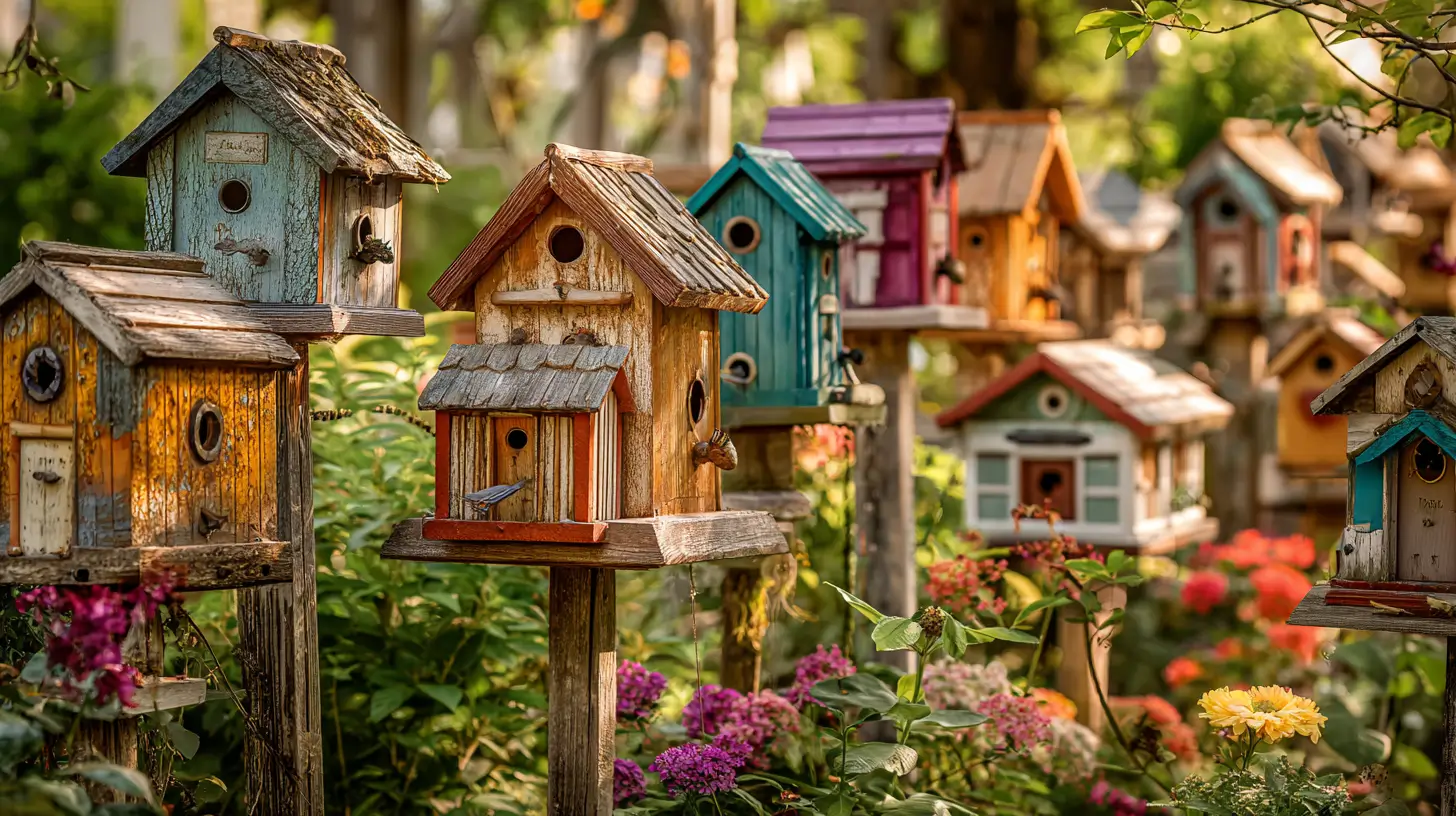
In 2026, the most charming gardens aren’t just pretty to look at—they hum with the sounds of nesting birds. This new wave of birdhouse designs blends whimsy with wildlife conservation.
You might have bought a cute birdhouse before. You hung it up. And then nothing happened. No birds moved in. It just sat there looking lonely.
Here’s why: many decorative birdhouses lack proper ventilation. They have the wrong entrance hole size. Or they sit in high-traffic areas where birds feel unsafe.
This article covers 17 birdhouse ideas. You’ll find upcycled treasures. You’ll see high-tech smart homes. And you’ll learn the “Goldilocks” principle of birdhouse design—getting the size, placement, and material just right for local species.
Let’s get started with the essentials you need to know first.
1. The 2026 Essentials: What Makes a Birdhouse “Charming” AND Functional?

Before you pick a style, you need to know what actually works. A birdhouse can look amazing. But if it doesn’t meet basic bird needs, it will stay empty.
Material matters. Cedar and cypress are top choices for 2026. They resist rot without chemical treatments. Natural latex finishes are also trending—they’re waterproof and safe for birds. Avoid treated wood and metal. Metal gets dangerously hot in summer sun.
Skip the perch. This surprises a lot of people. Decorative perches help predators like cats and raccoons reach inside. Birds don’t need them. They can cling to the entrance hole just fine.
Airflow is non-negotiable. Your birdhouse needs ventilation holes near the top. It also needs drainage holes in the floor. Without these, nestlings can overheat or drown after heavy rain.
Color matters too. Birds prefer dull, earth tones. Browns, greens, and grays. Bright colors attract predators and raise internal temperatures. One study showed dark colors can push interior temps past 110°F.
Pro Tip: The Cornell Lab of Ornithology found that correct entrance hole sizing increases occupancy by up to 70%. Measure twice. Drill once.
2. Upcycled Elegance: Vintage Teapots and Kitchenware

You don’t need to buy a new birdhouse. Some of the most charming options are sitting in your garage right now.
Vintage teapots make wonderful birdhouses. So do old tin cans, ceramic pitchers, and even metal lunchboxes. They add instant personality to any garden.
Here’s what to do: Drill a drainage hole in the bottom. Drill a few ventilation holes near the top. Remove any sharp edges. Then hang it in a sheltered spot—under eaves or a tree branch works best.
Water is the enemy here. These materials don’t hold up like wood does. So keep them protected from direct rain.
The “chicken décor” trend has made playful kitchen items popular in gardens. Birdhouses are the natural next step.
Pro Tip: Use a metal drill bit for ceramic pieces. Go slow so you don’t crack the material.
3. The Corridor Garden Approach: Nesting Boxes as Stepping Stones

This is one of the biggest garden trends for 2026. It’s called corridor gardening. The idea is simple: connect your backyard to nearby wild areas.
Birds need safe travel routes. They move between feeding spots, water sources, and nesting sites. If your garden is isolated, they may skip it.
Place your birdhouses along fence lines. Put them near hedgerows. These natural pathways feel safe to birds.
Make your fence wildlife-friendly. Replace solid fencing with lattice where possible. Cut small gaps at the bottom for wildlife movement. Then hang birdhouses nearby.
Plant native hedgerows. Elderberry, dogwood, and hawthorn provide food and shelter. Place them within 10 to 20 feet of your birdhouses.
Large conservation efforts like the Yellowstone to Yukon Initiative use this corridor approach. Your backyard can be part of the same principle.
Pro Tip: Check with your local extension office before planting. Some native plants vary by region.
4. Mid-Century Modern: Geometric and Sculptural Designs

Clean lines. Polygonal shapes. Minimalist colors. Mid-century modern birdhouses are having a moment.
Brands like Birdfy offer polygon-shaped nest boxes that look like art. These designs aren’t just about looks. They often include easy-clean panels—a feature that serious bird lovers appreciate.
Material choices matter here. Recycled plastic and bamboo composites last 8 to 10 years. That’s twice as long as standard painted pine. They also resist moisture and pests.
What to look for: Removable roofs or side panels. You need to clean out old nests each year. If a design makes that hard, skip it.
Pro Tip: Modern birdhouses look great mounted on sleek metal poles. It matches the aesthetic and keeps predators at bay.
5. Painted Lady: Murals and Artistic Expression (Safely)

You want your birdhouse to look beautiful. Birds don’t care about beauty—they care about safety. Here’s how to do both.
The dilemma: Bright colors attract human attention. But they also attract predators and trap heat.
The solution: Use muted, nature-inspired colors on the exterior. Moss green. Sky blue. Soft gray. These reflect heat and blend into the garden.
Never paint the inside. Never paint the edge of the entrance hole. Birds may peck at painted surfaces. More importantly, paint can chip and harm nestlings.
Instead of paint, try natural textures. Glue bark to the outside. Wrap twine around the body. Attach dried moss. These materials provide insulation and camouflage.
Pro Tip: Light colors keep interiors cooler. Dark colors can push temps over 110°F—deadly for eggs and chicks.
6. The “Smart” Birdhouse: High-Tech Bird Watching

Technology has arrived in the garden. Smart birdhouses use cameras and AI to identify species and record nesting activity.
The Birdfy Nest Duo won a CES 2026 award for its dual-camera system. One camera looks inside. Another looks outside. You get a full view of nesting behavior without disturbing the birds.
Benefits: You learn which species visit your yard. You see when eggs hatch. You watch chicks grow. All from your phone.
Placement matters. These houses need Wi-Fi if they have connected features. They also need specific mounting heights depending on your target species.
One catch: Not every bird species accepts these houses. Research what birds live in your area before buying.
Pro Tip: Place smart birdhouses on windows or near outdoor seating. You’ll get the best viewing angles.
7. Barnyard Charm: Rustic Wooden Cottages

This style never goes out of fashion. A simple wooden box with a sloped roof. Rustic charm that fits any garden.
Construction tips: Use untreated pine or cedar. Avoid plywood—it delaminates in rain. Make the roof sloped so water runs off.
Who lives here: These houses work great for wrens and chickadees. Use an entrance hole size of 1 1/8 to 1 1/4 inches. That keeps larger, more aggressive birds out.
Where to put it: House wrens will occupy a box within days if you place it in woodland edges. Dense shrubbery within 10 to 20 feet makes them feel safe.
Pro Tip: Add a predator guard—a metal plate around the entrance hole. Squirrels and woodpeckers can enlarge wood holes.
8. Multi-Family Dwellings: Condo and Modular Birdhouses

Some birds prefer neighbors. Purple martins are famous for nesting in colonies. They need multiple compartments in one structure.
Design options: Stackable units. Multi-compartment boxes. Apartment-style towers.
Species: Purple martins are the classic colony nesters. But sparrows will also use them. Be careful—non-native sparrows can outcompete native birds.
Maintenance is critical. You must be able to clean each compartment. If a design doesn’t let you access every box, don’t buy it.
Modular birdhouses work well in urban areas. Natural cavities are scarce in cities. These houses fill a real need.
Pro Tip: Purple martin houses need to be mounted on poles 10 to 15 feet high. Open areas near water are best.
9. Garden Art Integration: Birdhouses as Focal Points

A birdhouse doesn’t have to hide. It can become a centerpiece in your garden design.
Placement ideas: Nestle one into a flower bed. Mount it on a shepherd’s hook near a seating area. Hang it from a tree branch at eye level.
Color coordination: Match your birdhouse to seasonal flowers. A bluebird house looks stunning next to blue salvia or coneflowers. A rustic wooden box pairs well with tall grasses.
Safety first: Make sure hanging hardware is secure. The house shouldn’t swing much in the wind. Constant movement discourages nesting.
Pro Tip: Use galvanized wire or chain for hanging. It won’t rust or break over time.
10. Natural Camouflage: Living Birdhouses

Take camouflage to the next level. Let plants grow over and around your birdhouse.
How it works: Plant vines like honeysuckle or passion flower near a sturdy birdhouse. Over time, the vines cover the structure. The house blends completely into the garden.
Benefits: Natural insulation. Predator protection. A seamless look.
Caution: Check the vines regularly. Don’t let them block the entrance hole. Birds need a clear flight path in and out.
Pro Tip: Choose native vines when possible. Non-native vines can become invasive and damage structures.
11. Window Watching: Clear-View Nest Boxes

Want to see inside without disturbing the birds? Clear-view nest boxes attach directly to windows.
Design features: A clear acrylic back lets you see the nest. Some have slide-out panels for easy cleaning. Others have removable fronts for monitoring.
Placement rules: Put these on windows that don’t get direct afternoon sun. Morning sun is okay. Afternoon heat can overheat the box quickly.
Who uses them: Chickadees, titmice, and wrens often accept window boxes. They adjust to human presence faster than you might expect.
Families love these. Kids can watch the whole nesting cycle without going outside. It’s like having living television in your home.
Pro Tip: Apply a one-way mirror film to the outside glass. Birds can’t see in, but you can see out.
12. Coastal Vibes: Driftwood and Nautical Themes

Living near the coast? Lean into the setting. Driftwood birdhouses fit perfectly in seaside gardens.
Material options: Reclaimed driftwood works well if it’s clean and free of salt. Weathered wood also gives that coastal look.
Salt spray is tough on materials. Metal birdhouses actually perform better in coastal areas. They resist corrosion better than untreated wood.
Aesthetic touches: Use rope for hanging. Add weathered paint in soft blues and whites. Keep the design simple.
Pro Tip: Rinse driftwood with fresh water before using it. Remove any loose bark or insect eggs.
13. The Pollinator Pairing: Birdhouses near Butterfly Gardens

Birds and butterflies belong together. One garden can support both.
Here’s why: Birds feed insects to their young. If you plant a pollinator garden, you’re creating a food source. Butterflies, moths, and caterpillars become bird food.
Good pollinator plants: Echinacea. Verbena. Bee balm. Milkweed. These attract insects that birds love.
Placement: Put your birdhouse 10 to 30 feet from the pollinator border. Close enough for easy foraging. Far enough that the birds don’t feel crowded.
Skip the pesticides. Chemicals that kill insects also harm birds. A healthy garden has aphids. Leave them—the birds will find them.
Pro Tip: Leave a small patch of bare soil under the birdhouse. Birds use dirt for dust baths to control mites.
14. Seasonal Rotations: Holiday-Themed Birdhouses

Some gardeners like to change things up. Seasonal birdhouses let you refresh your garden decor throughout the year.
Spring: Add fresh flowers around a simple wooden house.
Summer: Keep it simple. Birds are nesting. Don’t disturb them.
Fall: Place dried leaves and gourds near the house.
Winter: Swap to a holiday-themed house after nesting ends.
Important rule: Only change houses between nesting seasons. Late fall and winter are safe. Spring through summer, leave everything alone.
Birds return to the same nesting sites year after year. If you disturb them during nesting season, they may abandon the site.
Pro Tip: Keep a journal of when birds nest in each house. You’ll learn their schedule and know when it’s safe to decorate.
15. Gourd Birdhouses: Traditional and Organic Shapes

Before mass-produced birdhouses existed, people used gourds. This tradition goes back centuries.
How it works: Grow bottle gourds. Let them dry completely. Clean out the inside. Drill an entrance hole. Hang under eaves.
Benefits: Gourds are natural insulators. They breathe better than wood. Birds seem to love the organic shape.
History lesson: Native Americans used gourd birdhouses to attract purple martins. Early settlers continued the practice. You’re continuing a long tradition.
Preparation: Dried gourds need cleaning. Scrub the outside. Remove seeds from inside. Drill ventilation holes. Apply a natural sealant if desired.
Pro Tip: Add a few small twigs inside. Some birds prefer a rough surface for climbing in and out.
16. Metal Art: Durable and Modern Accents

Metal birdhouses look striking. They also last longer than almost any other material.
The good: No rot. No pests. Won’t fall apart in rain.
The bad: Metal heats up fast. Poor insulation can cook eggs and chicks.
The solution: Place metal birdhouses in shade. Afternoon shade is essential. Morning sun is usually okay. Make sure ventilation holes are generous.
Some metal houses use double-walled construction. This adds insulation. Look for that feature if you’re in a hot climate.
Pro Tip: Touch the house on a sunny afternoon. If it’s too hot for your hand, it’s too hot for birds.
17. The Scent-Scape: Aromatic Herbs and Birdhouses

Combine two garden pleasures: birdwatching and aromatherapy.
Plant herbs around your birdhouse. Lavender. Thyme. Sage. Rosemary. They smell wonderful. They also repel some pests.
Herbs provide nesting material. Birds pick dried stems and leaves for their nests. Lavender may help deter mites.
Aesthetic bonus: A birdhouse surrounded by herbs looks intentional. It becomes a sensory focal point in the garden.
Placement: Keep herbs trimmed so they don’t block the entrance. A clear flight path matters more than dense coverage.
Pro Tip: Let some herbs flower. Bees and birds both benefit from the blooms.
Conclusion
The most charming birdhouses do two things. They look beautiful. And they keep birds safe.
You don’t need to build a full bird village overnight. Start small. Pick one idea from this list. Build it or buy it with the right specs. Pay attention to entrance hole size, ventilation, and placement.
Place it where birds feel secure. Near hedgerows. Away from busy paths. At the right height for your target species.
Then wait. Grab your coffee. Sit in your garden. Watch who shows up.
Whether you follow DIY birdhouse plans or buy a ready-made model, these charming birdhouse garden ideas will help your garden become a sanctuary in 2026.

- 18 Scandinavian Bedroom Ideas That Are Calm & Livable (2026) - March 31, 2026
- 17 Kids Bedroom Ideas That Grow With Them - March 31, 2026
- 17 Industrial Bedroom Ideas for Urban Apartment Dwellers - March 31, 2026