
For years, the kitchen cabinet debate was simple: white or bold color. But in 2026, the conversation has shifted. The spotlight is now on the warmth, texture, and sophistication of wood.
You are probably staring at paint swatches right now, unsure what to pick. You want a kitchen that feels fresh and modern. But you also worry about picking something that will look dated in a few years. That fear of making a costly mistake is real.
This guide cuts through the noise. You will get 15 curated wood cabinet colors that actually work in 2026. You will learn which shades fit your space, how to pair them with hardware and countertops, and get tips based on current design data. No fluff. Just clear, actionable advice on the best stylish wood kitchen cabinet colors for your home.
Why Natural Materials Dominate 2026 Kitchens
For a long time, the all-white kitchen felt like the only safe choice. It looked clean and bright. But it also felt cold and sterile to many people. In 2026, the focus is on biophilic design—connecting our homes to nature. Wood is the easiest way to do that.
People are also thinking more about sustainability. They want real, authentic materials that last. They are tired of high-gloss, manufactured finishes that look perfect but feel empty. Wood brings texture and warmth. It creates a “slow living” vibe. Your kitchen should feel like a place to relax, not a showroom.
According to the 2025 Houzz Kitchen Trends Study, there was a 15% increase in homeowners choosing natural wood or wood-look finishes over painted surfaces. Sherwin-Williams also named “grounded, earthy tones” as a key theme for 2026. Wood fits that trend perfectly. It is a timeless kitchen cabinet color choice that also feels fresh and modern. The move toward modern wood cabinet finishes is not just a trend. It is a return to quality and comfort.
15 Stylish Wood Kitchen Cabinet Colors Defining 2026
Let’s get into the options. Each one brings something different to your kitchen.
Pale White Oak

If you want a neutral that feels both warm and open, Pale White Oak is your answer. This finish has become the frontrunner for 2026. It is the cornerstone of Japandi and Scandinavian design. The stain is so light it acts almost like a natural sealer. This lets the raw wood grain show through without any yellow or orange undertones.
But its beauty is not just in how it looks. Pale White Oak is practical, too. It reflects light well, making smaller kitchens feel larger. It also works in open-plan homes because it creates a smooth visual flow from room to room.
To make this finish sing, pair it with matte black hardware for contrast. Or go with brushed brass for a softer, warmer feel. For countertops, light quartz or even a white marble look keeps things airy.
Pro Tip: Ask your cabinet maker for a “water-pop” finish. This technique raises the grain slightly before sealing, giving the wood more texture and depth.
Best for: Modern, Scandinavian, and minimalist kitchens.
Honeyed Chestnut

This is the color that says “welcome home.” Honeyed Chestnut brings a warmth that painted cabinets just cannot match. It has become a favorite for homeowners who want their kitchen to feel inviting and classic without feeling old.
The key with Honeyed Chestnut is balance. Because it is a richer tone, you want to avoid making the space feel too dark or heavy. Use it on lower cabinets and pair it with lighter uppers. Or use it on a large island as an anchor point.
Hardware choices matter here. Brushed brass or unlacquered brass will play up the warmth. For a more modern twist, try aged bronze. Keep your countertops light—a creamy quartz or even a light soapstone works well.
Pro Tip: Let this color shine by keeping your backsplash simple. A clean white subway tile or a basic zellige tile in cream lets the wood be the star.
Best for: Traditional, Craftsman, and Transitional kitchens.
Cerused White Oak

This is not your average wood stain. Cerusing, also known as “lime washing,” is a technique where a white pigment is rubbed into the open grain of the wood. The result is a textured, architectural look that feels both old-world and ultra-modern.
Cerused White Oak is for people who want a statement. The white pigment highlights the natural grain pattern, creating a three-dimensional effect. It hides wear and tear well, too, which is a bonus in a busy kitchen.
Because the finish already has so much visual texture, keep the rest of the kitchen simple. Pair it with flat-front cabinet doors for a sleek look. Use simple hardware like a thin bar pull in brushed nickel or matte black. Let the cabinets do the talking.
Pro Tip: This finish works best on woods with a strong, open grain like oak or ash. Ask your cabinet maker if they offer a cerusing service specifically for oak.
Best for: Modern, Art Deco, and coastal-inspired kitchens.
Rich Walnut
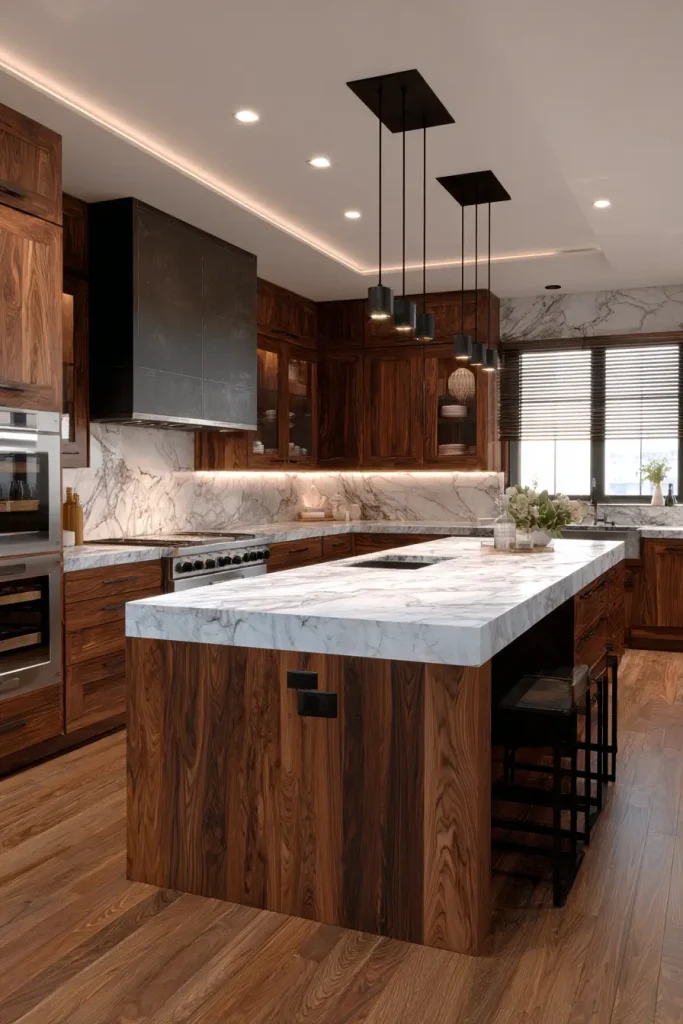
If you want timeless luxury, Rich Walnut is the choice. This is the color that anchors a room. It brings depth, sophistication, and a sense of permanence. Unlike some lighter woods that come and go with trends, walnut has remained a favorite for generations.
The trick with walnut is to use it intentionally. A full kitchen of dark walnut can feel heavy. Instead, consider using it for a large island or a statement pantry wall. Pair it with lighter perimeter cabinets in white or a soft cream. This creates contrast and keeps the space balanced.
For hardware, oil-rubbed bronze or matte black feels right at home with walnut. If you want to lighten things up, polished nickel adds a touch of elegance. Countertops in white marble or a light gray quartz provide a clean counterpoint.
Pro Tip: Walnut darkens with age and exposure to sunlight. If you want to keep that rich chocolate tone, look for a UV-protective topcoat.
Best for: Traditional, modern farmhouse, and high-end transitional kitchens.
Smoked Ash

Remember the “greige” trend? Smoked Ash is its more sophisticated cousin. But where greige could look muddy, Smoked Ash has a cooler, more complex undertone. It sits right between gray and brown, creating a neutral that feels fresh and unexpected.
This finish works exceptionally well in modern and industrial-style kitchens. It has a slightly smoky, almost ethereal quality that feels calming. It also pairs beautifully with a range of other materials.
For hardware, matte black is a natural fit. It reinforces the cool, modern vibe. But do not be afraid to add brass accents. A brass faucet or light fixture can add a touch of warmth that plays off the cool wood beautifully.
Pro Tip: Smoked Ash can look very different depending on the light. Order a large sample and look at it in your kitchen at different times of day before committing.
Best for: Modern, industrial, and contemporary kitchens.
Sage-Stained Maple
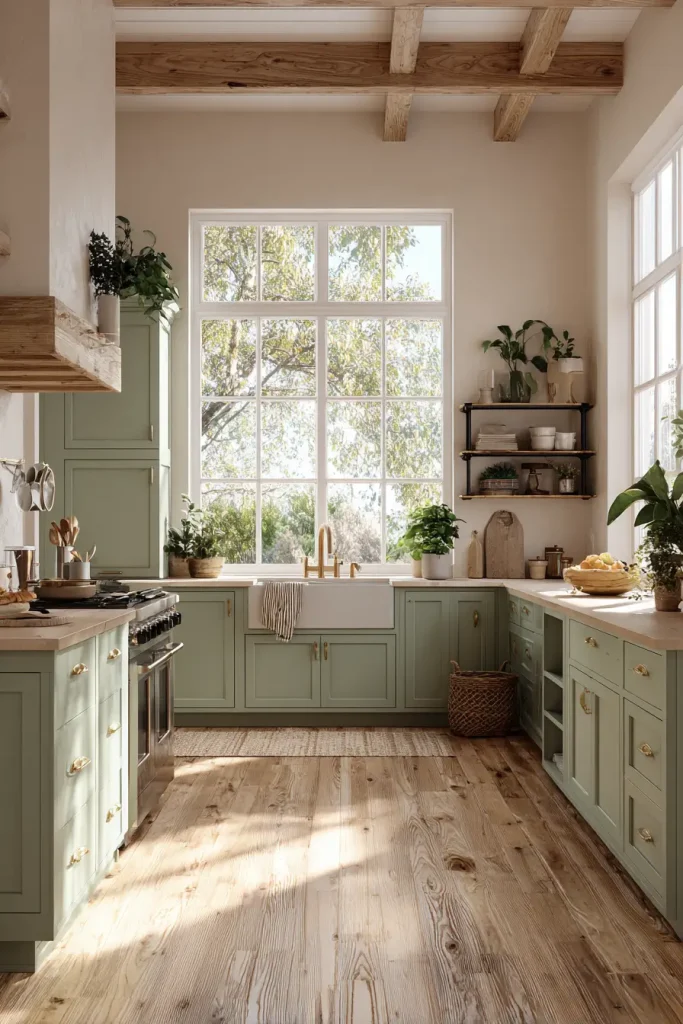
This is one of the most interesting kitchen cabinet color trends 2026 has to offer. It is not a painted green. It is a maple wood that has been stained with a soft, earthy green pigment. The result is a color that feels organic and fresh. The wood grain still shows through, adding warmth that a painted cabinet lacks.
Sage-Stained Maple works well in kitchens that aim for a relaxed, cottage-like feel. It also fits perfectly in homes with a lot of natural light and plants. It connects the indoors to the outdoors.
Because green is a dominant color, keep your other elements neutral. White countertops, a simple backsplash, and brass or brushed gold hardware all work well. Avoid adding more green or bold colors in the same space.
Pro Tip: Pair this with unlacquered brass hardware. The brass will patina over time, creating a beautiful, aged look that complements the earthy green.
Best for: Farmhouse, cottage, and eclectic kitchens.
Charred Cedar (Shou Sugi Ban)

If you want drama, this is it. Charred Cedar, using the Japanese technique of Shou Sugi Ban, is a bold choice. The wood is burned to create a black, textured surface. The process also makes the wood incredibly durable. It becomes resistant to fire, rot, and pests.
This finish is not for everyone, but for the right home, it is stunning. Use it on an island to create a focal point. Or use it on lower cabinets to ground the space. Pair it with light, natural wood uppers to create a striking contrast.
Keep the rest of the space simple. Let the texture of the charred wood be the main event. Use simple, modern hardware or even go without handles for a clean look.
Pro Tip: This is a specialty finish. Look for cabinet makers who specialize in Shou Sugi Ban to ensure the process is done correctly and safely.
Best for: Modern, industrial, and urban loft kitchens.
Natural Cherry

For years, cherry wood had a reputation for being a bit stuffy. That was because of the high-gloss, orange-toned finishes of the past. In 2026, Natural Cherry is making a comeback in a new way. The key is the finish. Today, designers are using matte or satin sealers that let the natural beauty of the cherry shine without the dated shine.
Cherry wood has a natural richness that deepens beautifully over time. It starts as a light pinkish-brown and matures into a deep, warm red-brown. This natural aging process adds character.
To keep it modern, pair it with clean, simple lines. Shaker-style doors or flat-front panels work well. Use hardware in brushed nickel or matte black to keep the look grounded.
Pro Tip: Cherry is softer than oak or maple. If you have a busy family, consider using it in areas that get less wear, like upper cabinets or a butler’s pantry.
Best for: Traditional, Craftsman, and modern transitional kitchens.
Pickled Pine

This finish feels like a breath of fresh air. Pickled Pine is a retro look that has been updated for 2026. It involves applying a white wash or a light stain to pine, creating a look that is light, airy, and coastal.
It is perfect for kitchens that need to feel open and bright. It also works well in vacation homes or any space aiming for a relaxed, casual vibe. The pine knots add character and a rustic feel that a smooth, grainless wood cannot provide.
Pair Pickled Pine with light blue or soft green accents. For hardware, try matte white or brushed brass for a clean look. A simple white quartz countertop keeps the space feeling fresh.
Pro Tip: Pine is a softer wood, so it can dent and scratch. A Pickled Pine finish works best in a kitchen that you want to feel “lived-in.” The small marks will add to the rustic charm over time.
Best for: Coastal, cottage, and rustic modern kitchens.
Espresso-Stained Birch

Black kitchens were a major trend a few years ago. But sometimes, a solid black painted cabinet can feel flat and harsh. Espresso-Stained Birch offers a better alternative. It is a deep, dark brown that is so rich it reads as black. But because it is a stain, the birch’s subtle grain still peeks through. This adds depth and interest that paint cannot achieve.
This finish feels modern and sophisticated. It works especially well in larger kitchens where it will not overwhelm the space. Use it on lower cabinets to create a solid foundation. Pair it with light upper cabinets or open shelving to keep the room balanced.
One important note: avoid high-gloss. A matte or satin sheen keeps this finish looking modern and fresh. High-gloss can feel dated and shows every fingerprint.
Pro Tip: Because it is a dark color, dust and smudges will show. Use a high-quality, durable topcoat that is easy to wipe clean.
Best for: Modern, contemporary, and high-contrast kitchens.
Rift-Sawn Oak in Oatmeal

If you want an ultra-modern look, this is it. Rift-sawn oak is cut in a specific way that creates a straight, linear grain pattern. It lacks the “cathedral” arch shapes you see in plain-sawn oak. The result is a clean, architectural look that feels very high-end.
The Oatmeal finish is a pale, creamy tone that lets that beautiful grain show through. It is a more interesting alternative to a plain white painted cabinet. It offers warmth and texture while still feeling sleek and minimalist.
Pair this with flat-front cabinet doors to enhance the modern feel. Use simple bar pulls in brushed brass or matte black. For countertops, a light concrete or a soapstone works beautifully.
Pro Tip: Rift-sawn oak is more expensive than plain-sawn because there is more waste in the cutting process. If you are on a budget, consider using it only for key areas like an island or a range hood.
Best for: Modern, minimalist, and high-end contemporary kitchens.
Mocha-Stained Alder

Alder wood is known for its knots and varied grain. When finished with a Mocha stain, it creates a look that is rustic, cozy, and full of character. It is the perfect choice for a kitchen that you want to feel casual and inviting.
This finish hides imperfections well, which is a bonus in a busy family kitchen. The knots and grain variations mean that no two cabinets look exactly alike. This adds a handcrafted feel to the space.
To keep it from feeling too country, pair it with clean, simple lines. Use a shaker door style. For hardware, aged bronze or matte black fits the rustic vibe. A lighter countertop, like a creamy quartz, will prevent the space from feeling too dark.
Pro Tip: Because alder is a softer wood, it is easier to work with and often less expensive than oak or maple. It is a great choice for achieving a high-end, custom look on a tighter budget.
Best for: Rustic, modern farmhouse, and cabin-style kitchens.
Blonde Maple

This finish is all about creating a calm, peaceful space. Blonde Maple is clean, bright, and feels like a breath of fresh air. It connects directly to the wellness and “hygge” movements that value comfort and simplicity.
The color is a pale, creamy yellow that is subtle and soothing. It reflects light well, making a kitchen feel larger and more open. It is a fantastic choice for smaller spaces or kitchens that lack natural light.
Pair Blonde Maple with light quartz countertops and a simple backsplash. For hardware, matte gold or brushed nickel add a touch of warmth without competing with the wood. Keep your wall color neutral—a soft white or light gray works best.
Pro Tip: To keep the look modern, choose flat-panel or slab-style cabinet doors. The simple lines let the wood’s natural beauty stand out.
Best for: Scandinavian, minimalist, and small-space kitchens.
Burnt Sienna Stained Hickory

If you love bold wood grain, this is the finish for you. Hickory is one of the hardest and most durable domestic woods. It has a naturally dramatic grain pattern with deep contrasts between the light and dark areas. A Burnt Sienna stain enhances this, adding a rich, reddish-brown tone that feels vibrant and energetic.
This finish is a statement. It works best in kitchens where you want a lot of personality. Use it in a kitchen with simple, clean lines so the wood can be the main event. Avoid busy backsplashes or countertops that will compete for attention.
For hardware, keep it simple. Black or oil-rubbed bronze pulls will stand out against the busy grain without adding more visual chaos.
Pro Tip: Hickory is extremely durable, making it an excellent choice for a high-traffic family kitchen. It resists dents and scratches better than almost any other domestic wood.
Best for: Rustic, Southwestern, and eclectic kitchens.
Matte Lacquered Teak

This is the luxury option. Teak is a tropical hardwood known for its natural oils and incredible durability. It is often used in boat building because it can withstand moisture. In a kitchen, a matte lacquered teak finish is the ultimate in understated luxury.
The natural color of teak is a warm, golden brown. A matte lacquer protects the wood while giving it a soft, smooth feel. The finish is sophisticated but not flashy. It says quality without screaming for attention.
Because teak is such a high-end material, it is often used sparingly. Consider it for a statement island, a wet bar, or a custom range hood. Pair it with other natural materials like stone or concrete.
Pro Tip: Teak is more expensive than other hardwoods. Its value comes from its natural durability and resistance to water. It is an investment piece that will last for decades.
Best for: High-end modern, coastal luxury, and professional-style kitchens.
Finding Your Perfect Match
You have seen the options. The move toward natural textures is clear. Wood tones from pale oak to rich walnut offer endless possibilities. The right choice comes down to your home’s style and your personal taste.
Ready to take the next step? Order samples. See how these stylish wood kitchen cabinet colors look in your own light. Place the samples against your countertops and backsplash. Live with them for a day or two. You will quickly see which one feels right.
Choosing from the latest kitchen cabinet color trends 2026 is exciting. It is the first step toward creating a kitchen that is both stylish and uniquely yours.

- 18 Scandinavian Bedroom Ideas That Are Calm & Livable (2026) - March 31, 2026
- 17 Kids Bedroom Ideas That Grow With Them - March 31, 2026
- 17 Industrial Bedroom Ideas for Urban Apartment Dwellers - March 31, 2026