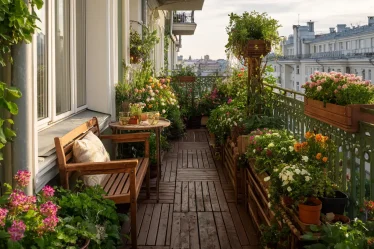
Introduction
Many renters think gardening is not possible. The lease says no digging. No building beds. No drilling into walls or patios.
So the outdoor space stays empty.
A small patio could hold herbs. A balcony could grow flowers. Even a tiny yard could support vegetables. But many renters worry about damage deposits or landlord rules.
And that worry is real.
Most rental agreements restrict permanent changes such as digging soil or installing fixed garden beds. When you move out the space must look the same.
But here is the good news. You can still build a beautiful garden without leaving marks behind.
This guide shares 16 rental garden ideas that work in apartments patios and small yards. Every idea can move with you when it is time to leave.
You will see simple solutions like
• portable planters
• vertical plant shelves
• container vegetable gardens
• movable raised beds
Each idea is renter friendly. No digging. No permanent installation. No stress when moving day comes.
And the best part. Many of these setups take less than an hour to build.
Let’s start with the easiest option.
Portable Container Gardens for Renters
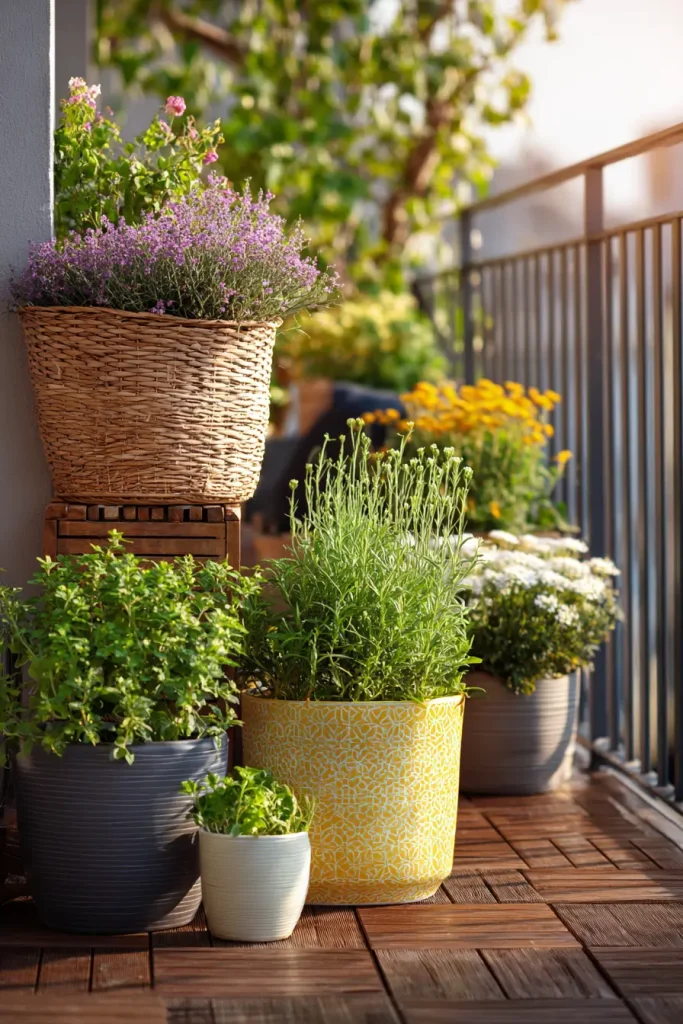
Many renters think they cannot grow plants because digging is not allowed.
That is not true.
Container gardening solves the problem. You grow plants in pots instead of the ground. When you move you simply take the containers with you.
Here are four easy rental garden ideas using containers.
1. Large Decorative Pots
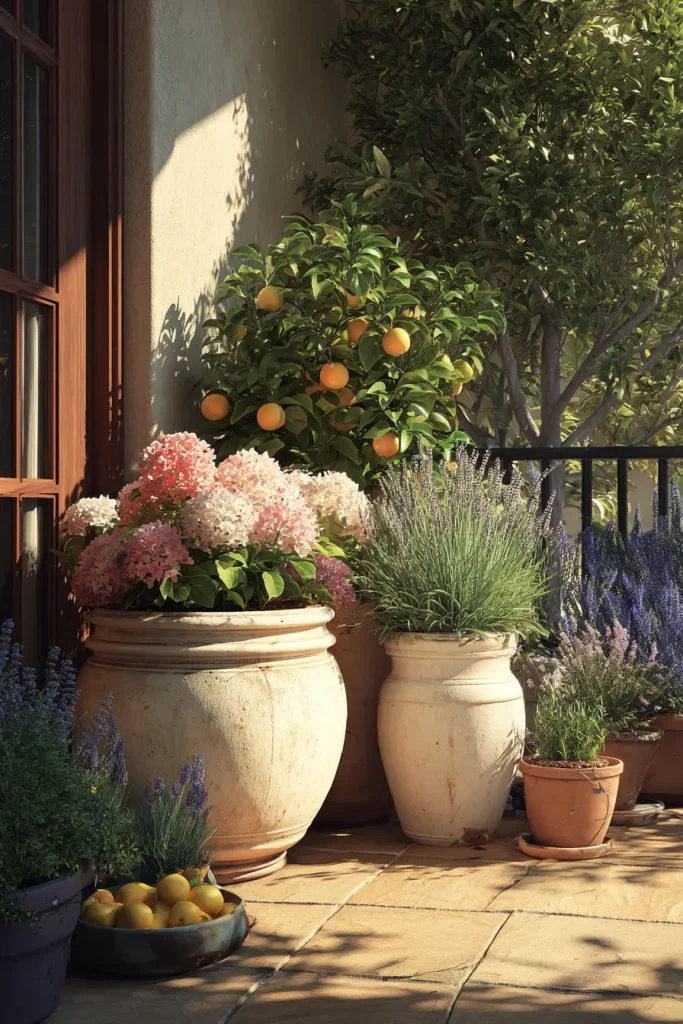
Large pots are one of the simplest ways to create a garden in a rental home.
You place them on patios balconies or yards. No installation needed.
Large containers give plant roots enough space to grow. Many gardening guides recommend pots that are 18 to 24 inches wide for vegetables and shrubs. This size holds enough soil and water for healthy plants.
Good plants for large pots include
• tomatoes
• lavender
• hydrangeas
• small citrus trees
Resin pots are popular because they are lighter than ceramic. That matters when you move.
Quick tip
Place a tray under each pot. This prevents water stains on patios.
2. Plant Stands With Multiple Pots
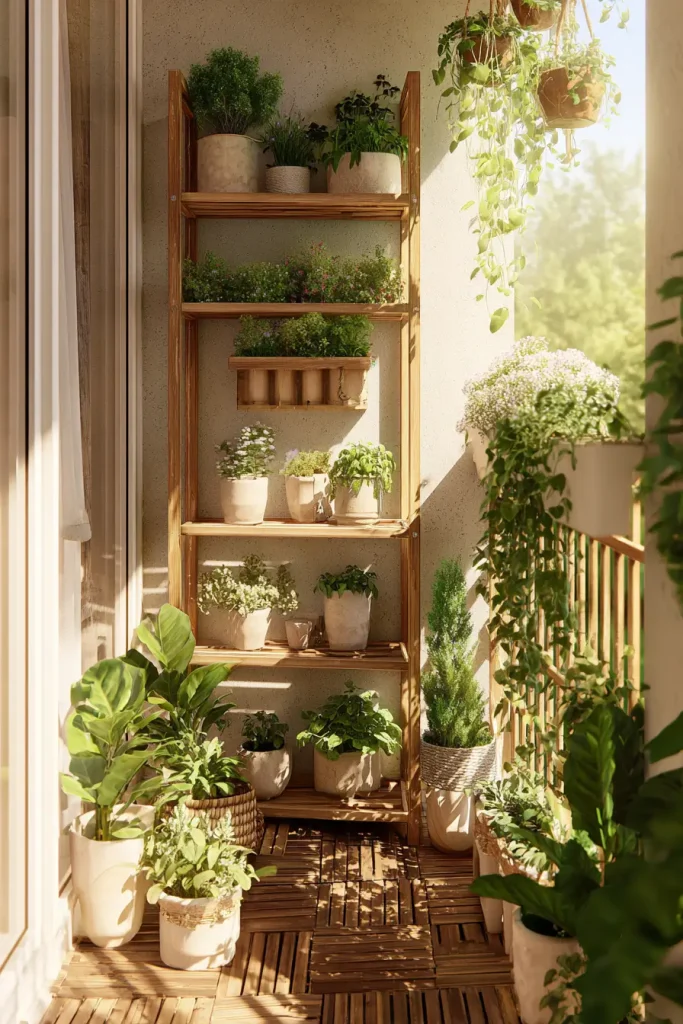
Small patios run out of space quickly. Plant stands solve this problem.
Instead of spreading pots across the floor you stack them vertically.
Many renters use tiered plant stands with three or four shelves. Each shelf holds a different plant.
This setup works well for
• herbs
• trailing plants
• small flowers
Stores like IKEA sell simple plant stands that renters use often in balcony gardens.
The benefit is clear. You grow more plants without drilling into walls.
3. Self Watering Containers
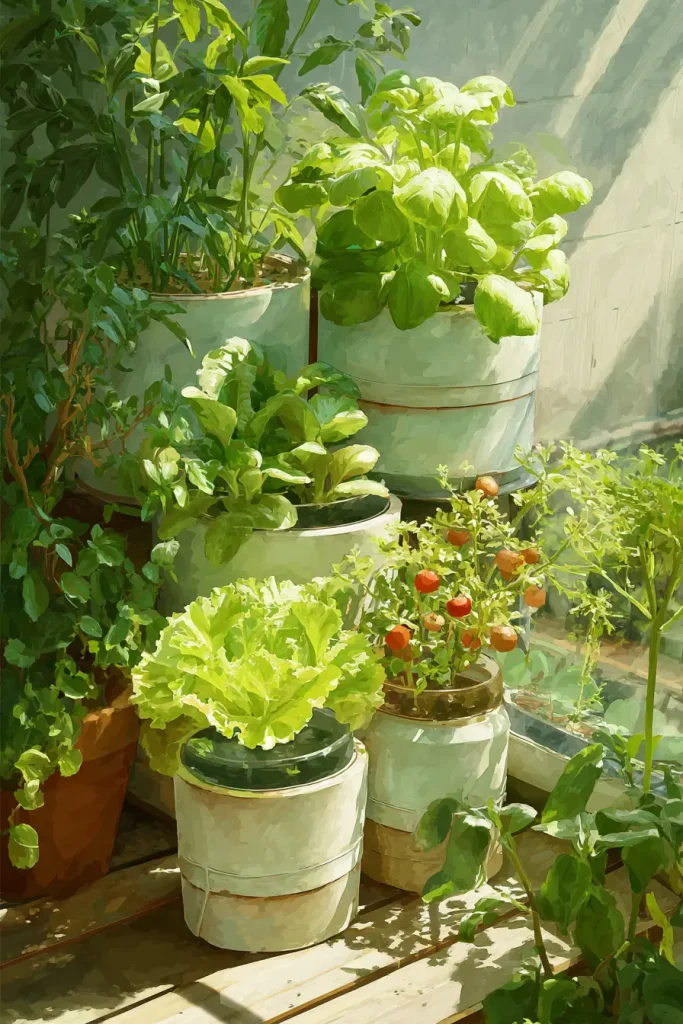
Watering plants every day is annoying. Especially during hot weather.
Self watering containers fix this.
These containers have a water reservoir at the bottom. The plant pulls water up through the soil as needed.
Research from the University of Minnesota Extension shows self watering containers can reduce watering frequency by 30 to 50 percent compared to regular pots.
That helps renters who travel or forget to water plants.
Common plants for these containers include
• lettuce
• basil
• strawberries
You still need to refill the reservoir. But far less often.
4. Rolling Planters With Wheels
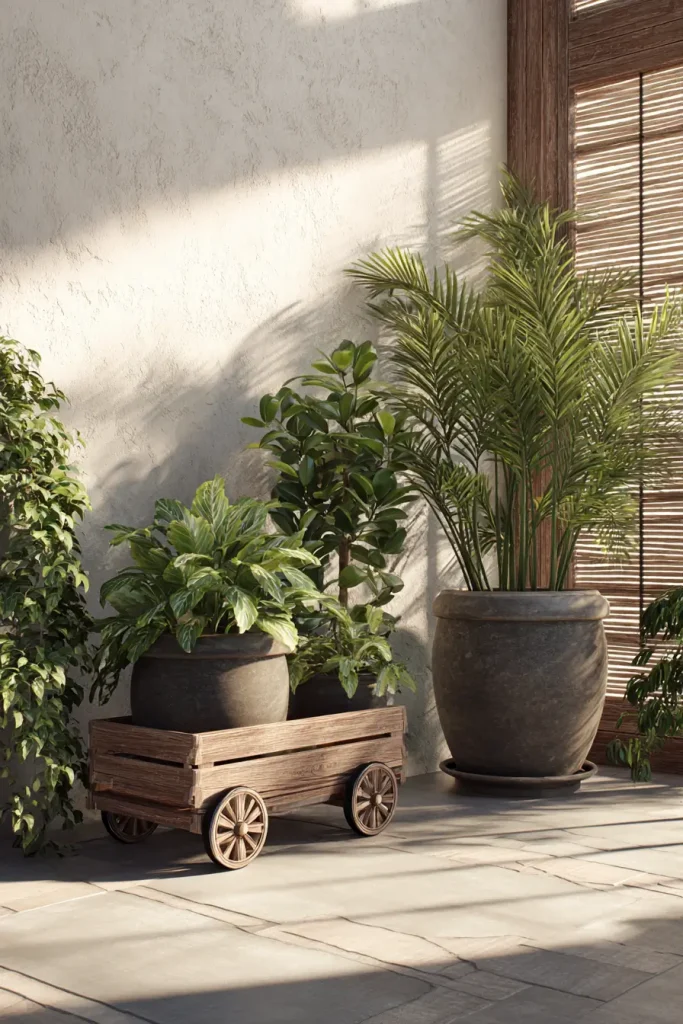
Moving heavy pots can damage floors or patios.
Rolling planters solve this problem.
These are plant caddies with wheels. You place the pot on top and roll it easily.
This helps in three ways
• protects patio surfaces
• allows easy cleaning
• makes moving day simple
If you plan to relocate soon this option is very practical.
Practical tip
Choose plant caddies with locking wheels so the pot stays in place during wind.
Vertical Garden Ideas That Do Not Damage Walls
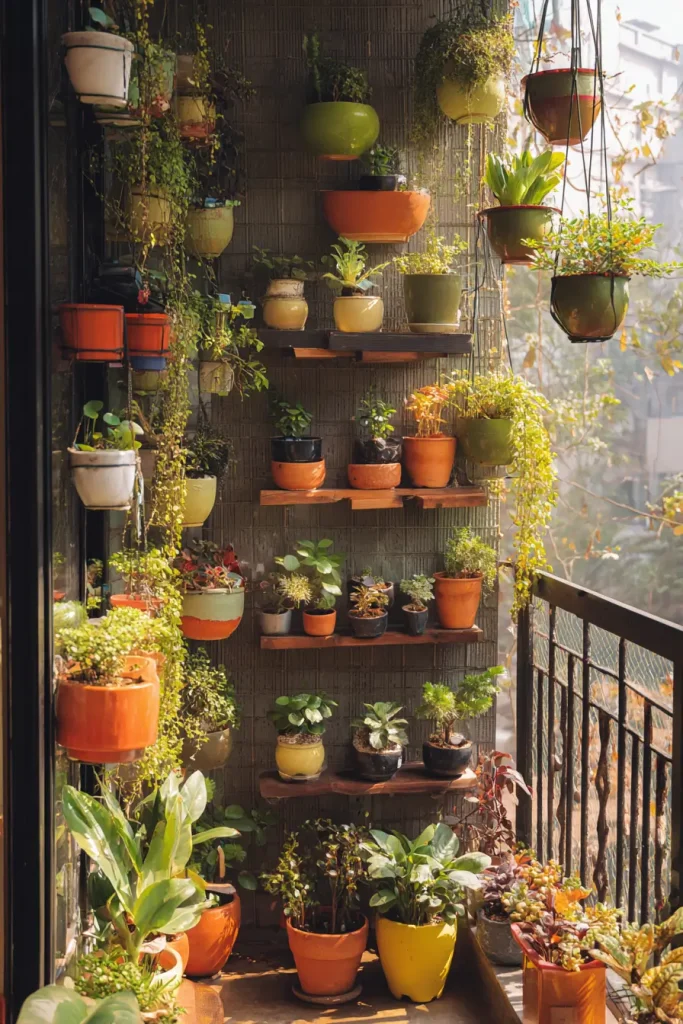
Balconies and small patios have limited space. The floor fills up quickly.
Vertical gardening uses height instead of floor space.
Many renters worry about wall damage. The good news is several vertical setups require no drilling.
Here are four renter friendly vertical ideas.
5. Ladder Plant Shelf
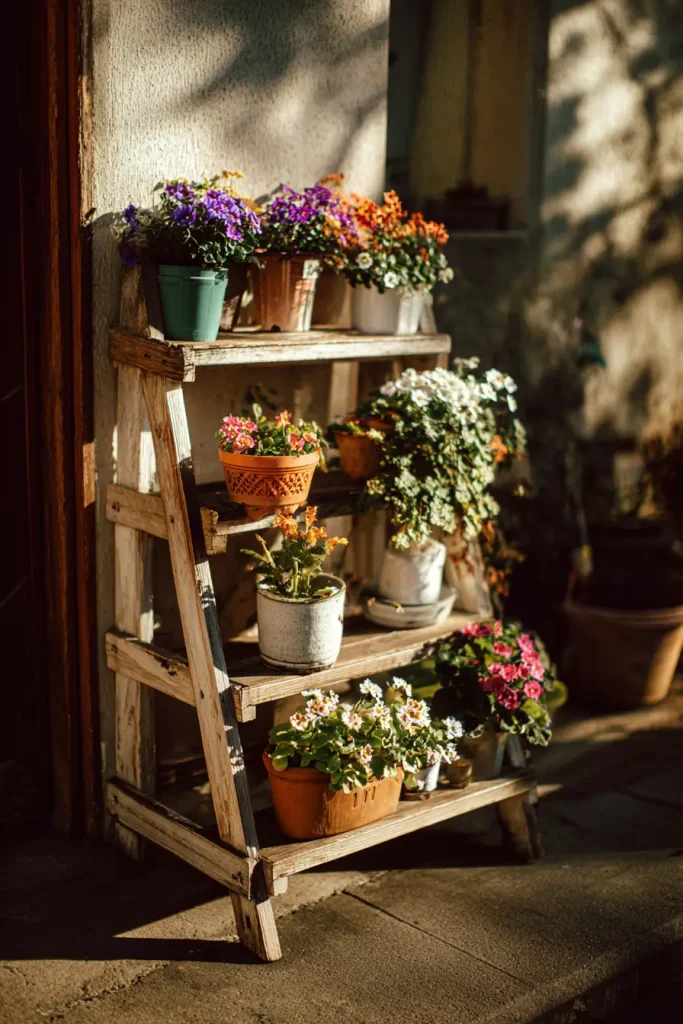
A wooden ladder can become a plant shelf in minutes.
You simply lean the ladder against a wall and place plants on each step.
No tools required.
This setup works well for
• trailing plants
• small herb pots
• decorative flowers
Many small patio designs on Pinterest use ladder shelves because they look stylish and take little space.
Another benefit is portability. You can fold the ladder and move it easily.
6. Over the Railing Planters
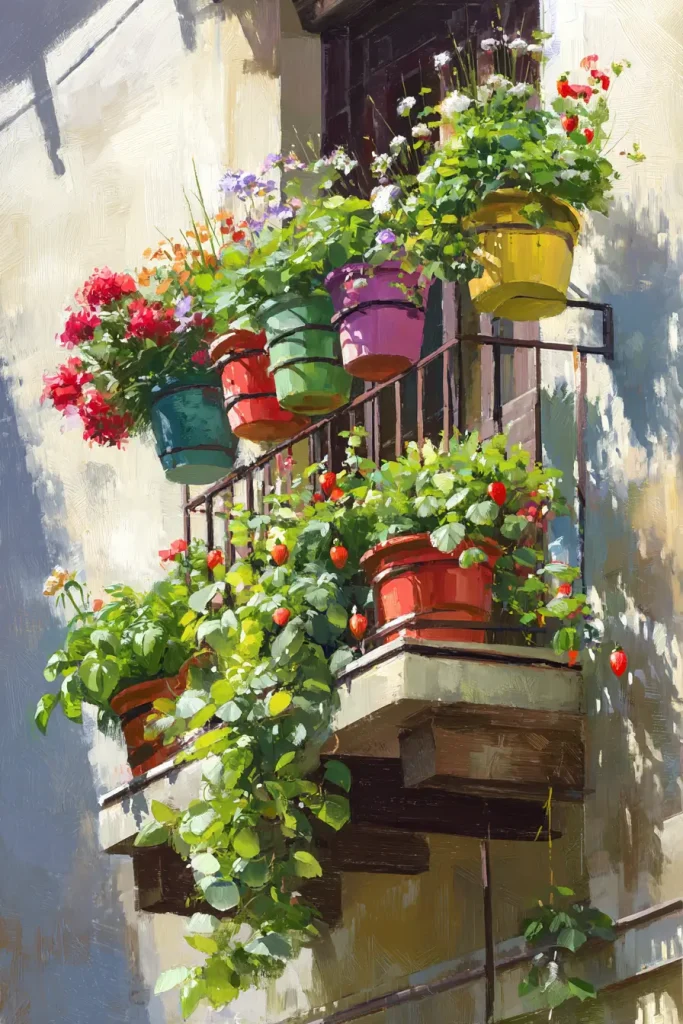
Balcony railings are often unused space.
Railing planters attach directly to the railing with hooks or brackets. No drilling required.
These planters are perfect for
• herbs
• flowers
• strawberries
Many models include locking brackets for safety. This keeps the planter stable during strong wind.
Good plants for railing planters include
• petunias
• basil
• mint
You get greenery without losing balcony floor space.
7. Freestanding Trellis With Pots
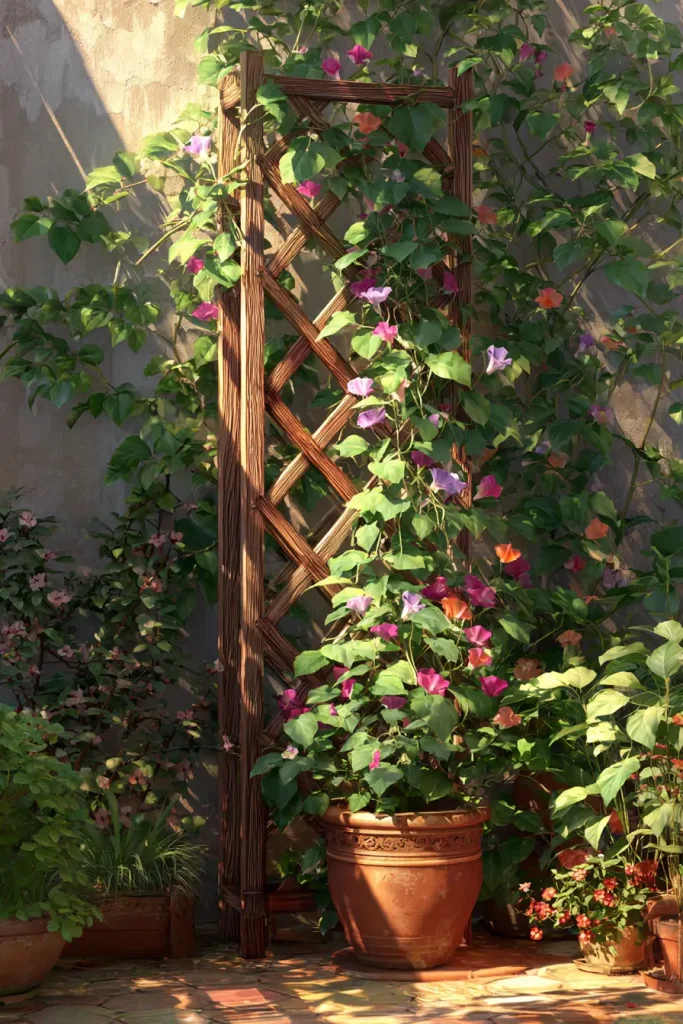
Climbing plants add height and beauty to a small garden.
A freestanding trellis works well for renters because it stands on its own.
You place a pot at the base. The plant grows upward along the trellis.
Popular climbing plants include
• sweet peas
• morning glory
• clematis
This creates a vertical wall of plants without touching the building.
It also adds privacy to balconies.
8. Hanging Plant Rods With Removable Hooks
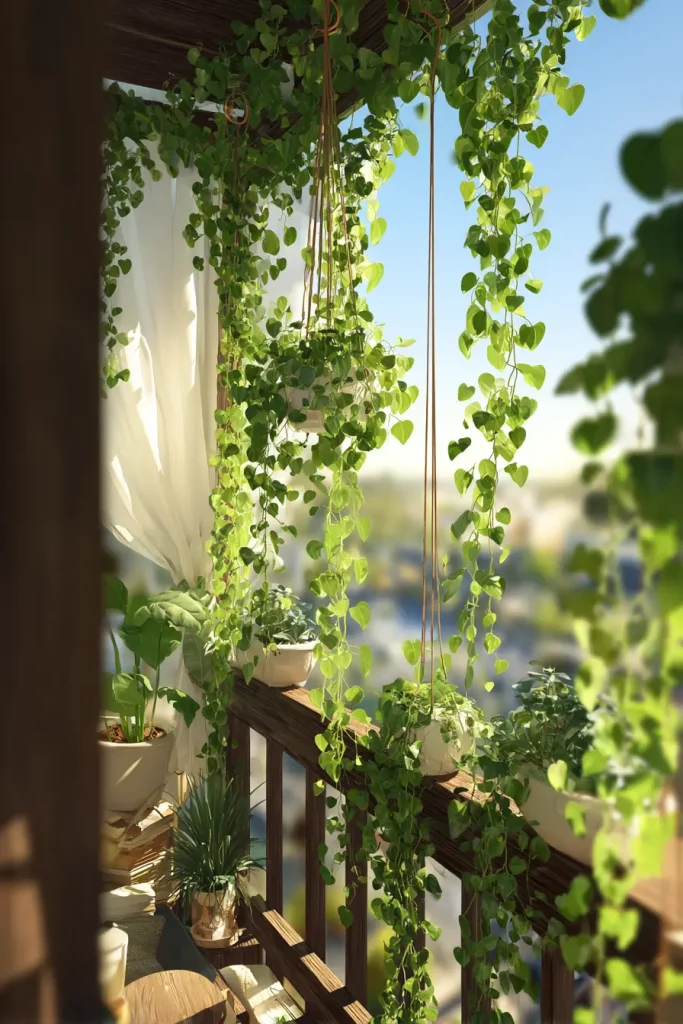
Some renters still want hanging plants.
Adhesive hooks make this possible without drilling.
Manufacturers like 3M state that certain Command hooks can hold up to about 3.4 kg depending on the model and surface.
These hooks support lightweight hanging plants such as
• pothos
• ivy
• spider plants
Always check weight limits before hanging anything.
Practical tip
Clean the surface first. Adhesive hooks stick better on dust free walls.
Temporary Raised Beds and No Dig Gardens
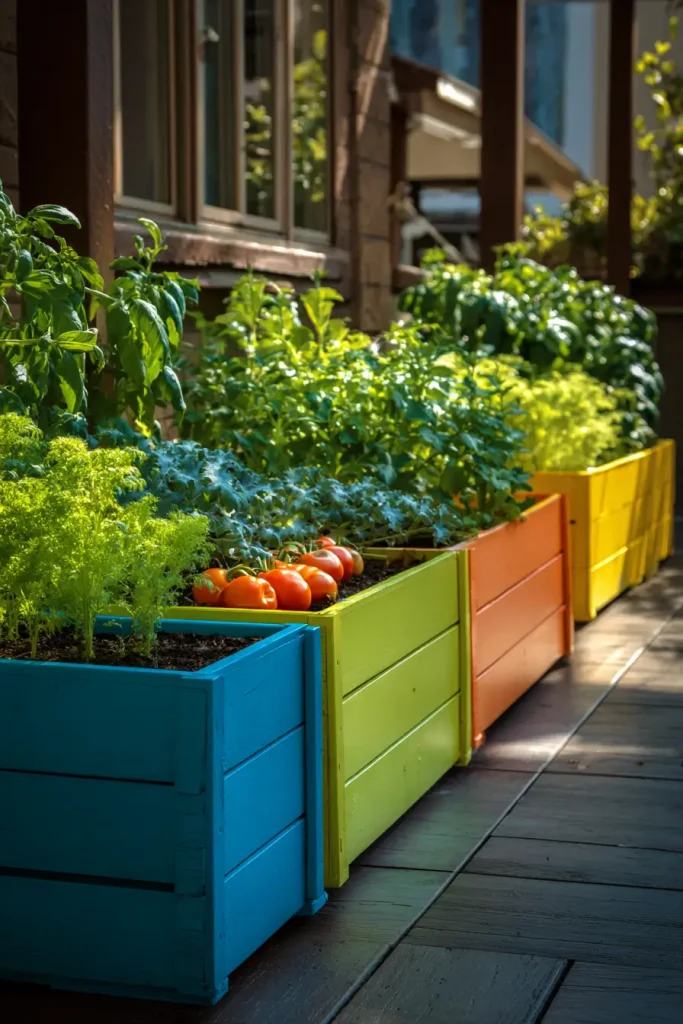
Many renters want to grow vegetables. Digging the yard is usually not allowed.
No dig gardening solves this problem.
You place the growing structure on top of the soil or patio. When you move you remove it easily.
Here are four temporary garden setups.
9. Fabric Raised Beds
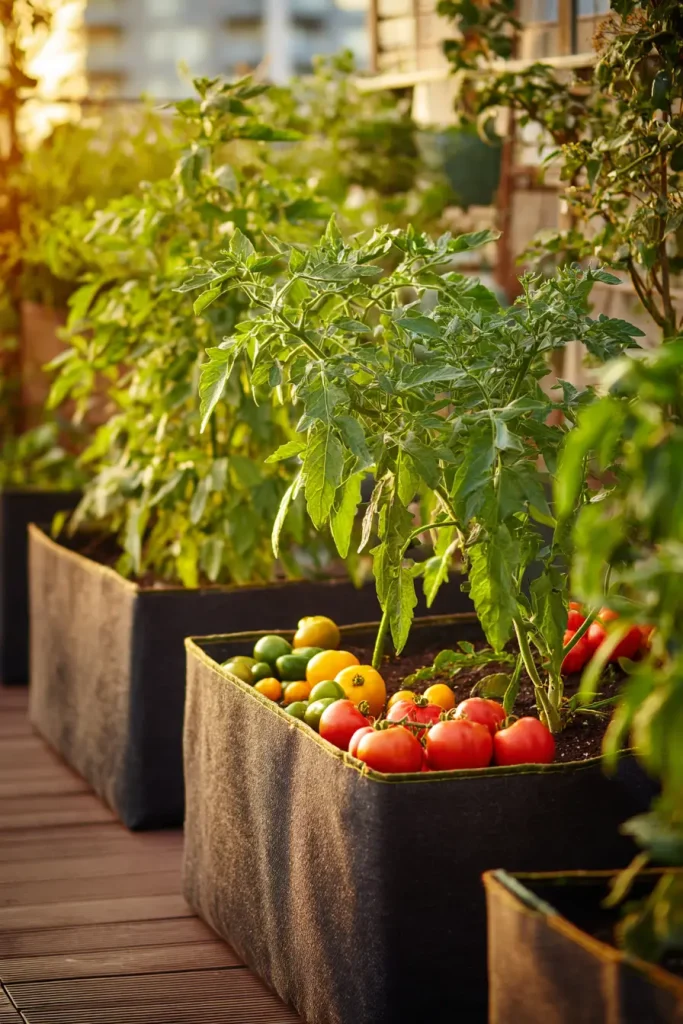
Fabric grow bags are popular with renters.
They look like large fabric containers. You fill them with soil and plant directly inside.
Brands like Smart Pots and VIVOSUN make these bags in many sizes.
Fabric containers allow air to reach plant roots. The Royal Horticultural Society explains that better air flow helps healthy root development in container plants.
Common crops for grow bags include
• potatoes
• tomatoes
• peppers
They are light and fold flat when empty.
10. Portable Wooden Planter Boxes
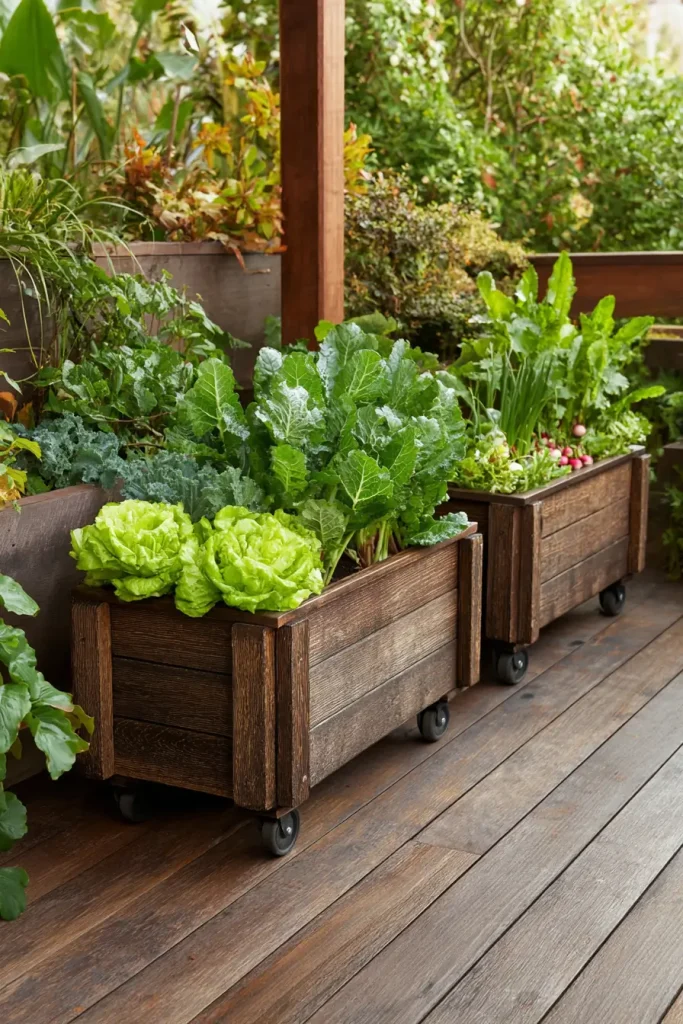
Wooden planter boxes create a classic garden look.
You place them directly on the ground or patio. No digging needed.
Many garden stores sell raised planter boxes with legs. These are great for patios because they keep plants off the floor.
Vegetables that grow well in planter boxes include
• lettuce
• spinach
• radishes
When you move the box moves with you.
11. Straw Bale Garden Beds
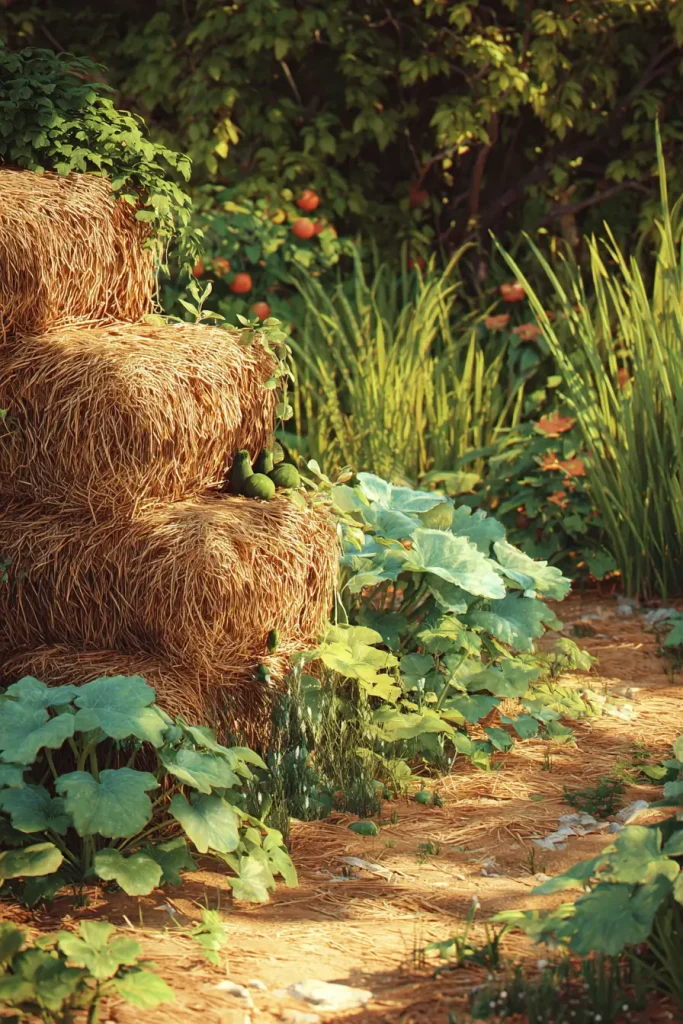
This method surprises many people.
You grow plants directly inside straw bales.
The straw slowly breaks down and becomes compost during the growing season.
According to University of Arkansas Extension, straw bale gardening allows vegetable growing without digging soil.
Common crops include
• cucumbers
• squash
• tomatoes
At the end of the season the straw can be composted or discarded.
12. Stackable Garden Beds
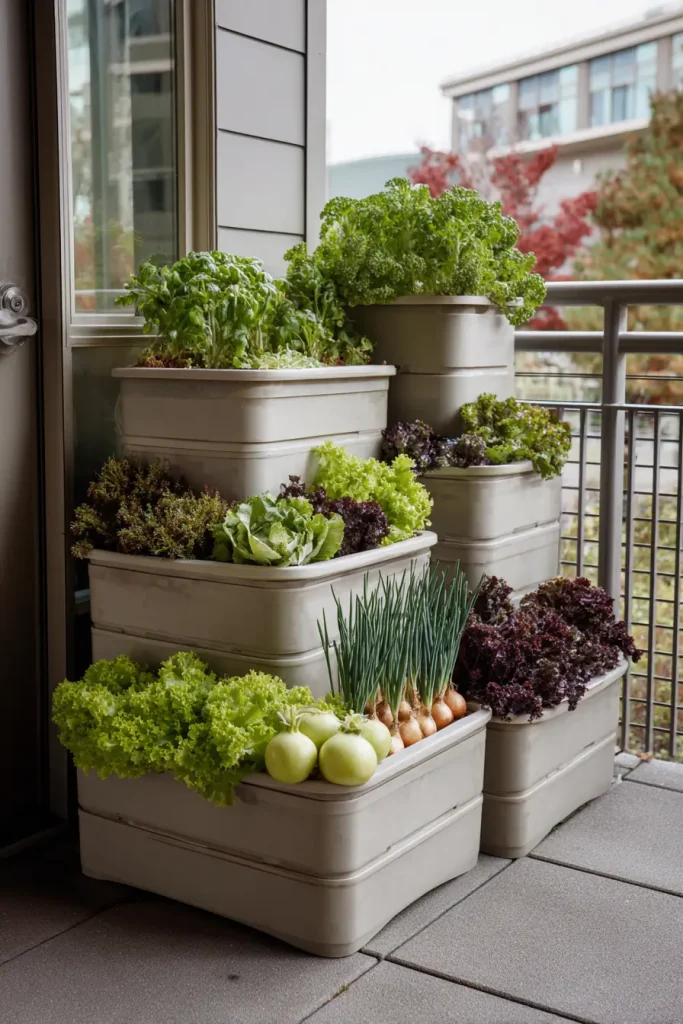
Stackable beds are modular plastic garden boxes.
You stack layers to increase soil depth.
The advantage is flexibility. You can start with one layer and add more later.
These beds work well for
• herbs
• lettuce
• onions
Because they sit on top of the ground they leave no permanent marks.
Practical tip
Place cardboard under the bed if you set it on grass. This prevents weeds from growing upward.
Movable Decor Gardens That Transform Small Spaces
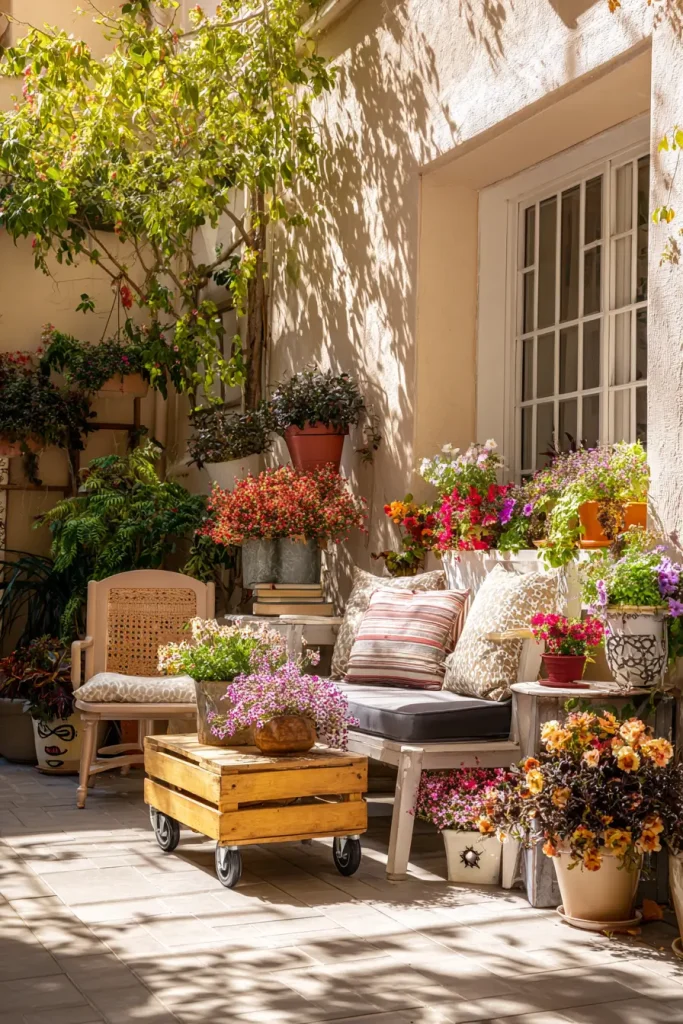
Gardens do not need to focus only on vegetables.
Decorative plant displays can turn a plain patio into a relaxing space.
The key is mobility. Everything should move easily.
Here are four decorative setups renters love.
13. Herb Cart Garden
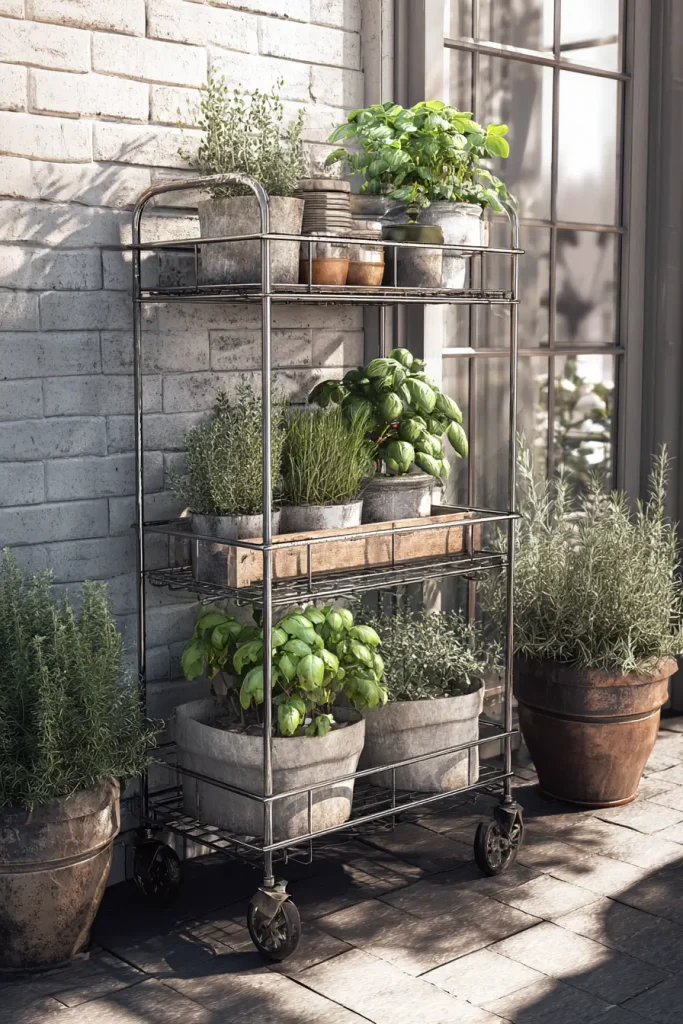
A rolling kitchen cart can become a herb garden.
Place small pots on each shelf. Roll the cart wherever sunlight is best.
This works well on balconies or patios.
Popular herbs include
• basil
• mint
• thyme
• parsley
You can even roll the cart indoors during bad weather.
14. Hanging Basket Gardens
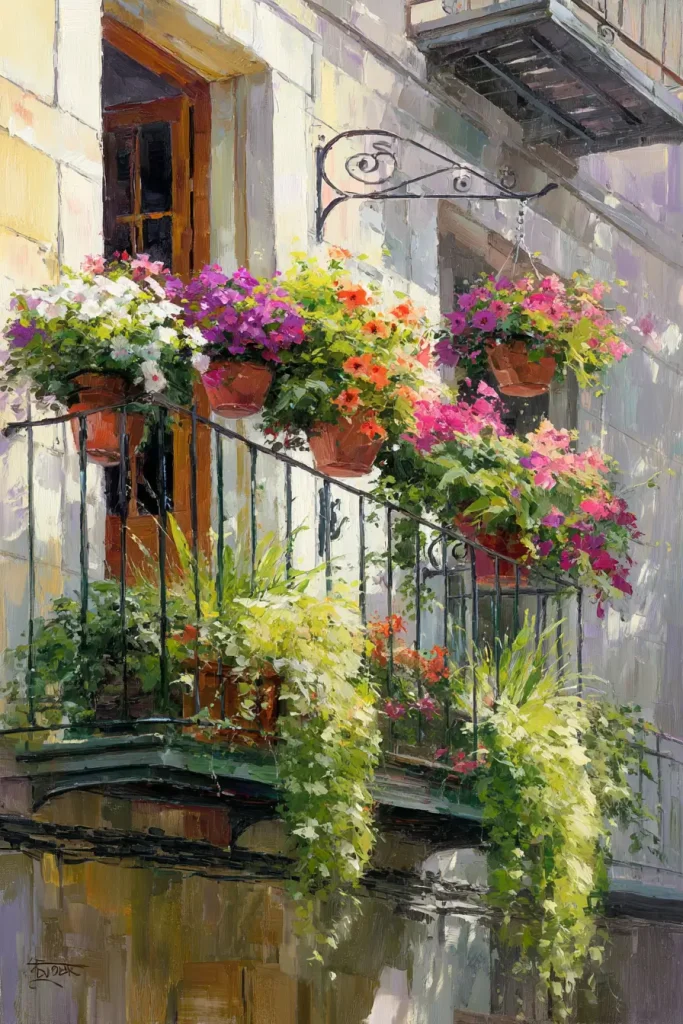
Hanging baskets create instant color.
They attach to shepherd hooks or railing hooks.
According to surveys from the National Gardening Association, container herbs and flowers remain among the most common plants grown in small space gardens.
Hanging baskets work well for
• petunias
• ferns
• strawberries
They add height and beauty without taking floor space.
15. Foldable Greenhouse Shelves
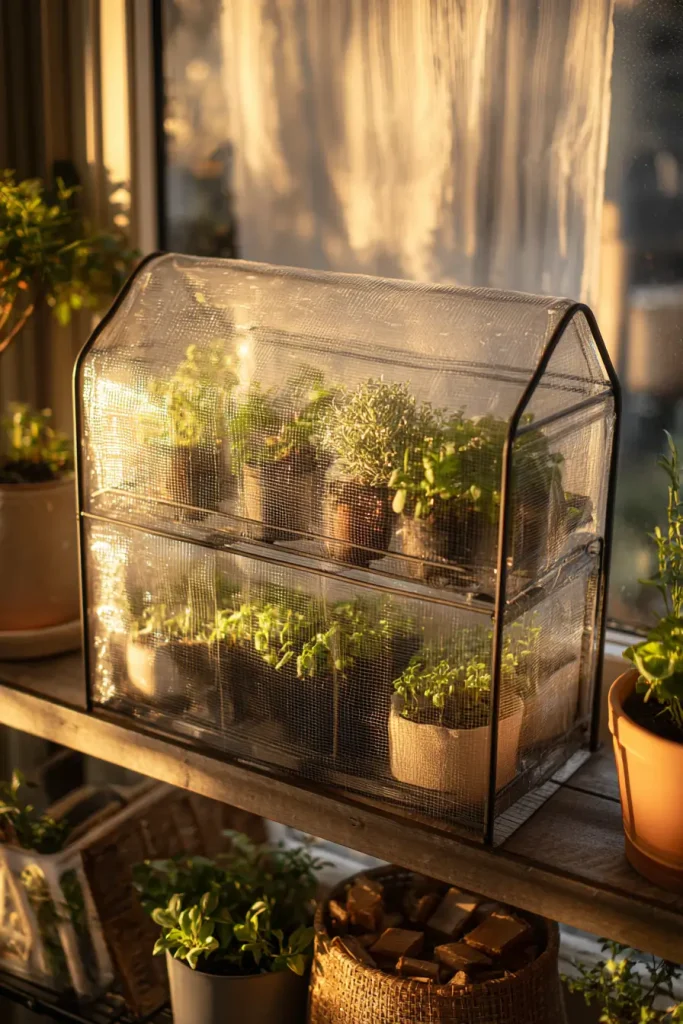
Some renters want to protect plants during cold months.
Mini greenhouse shelves are a smart option.
These shelves have a clear plastic cover that traps warmth around plants.
Benefits include
• protection from frost
• better humidity for seedlings
• easy storage when folded
Many models fold flat when not in use.
16. Garden Crates and Wooden Boxes
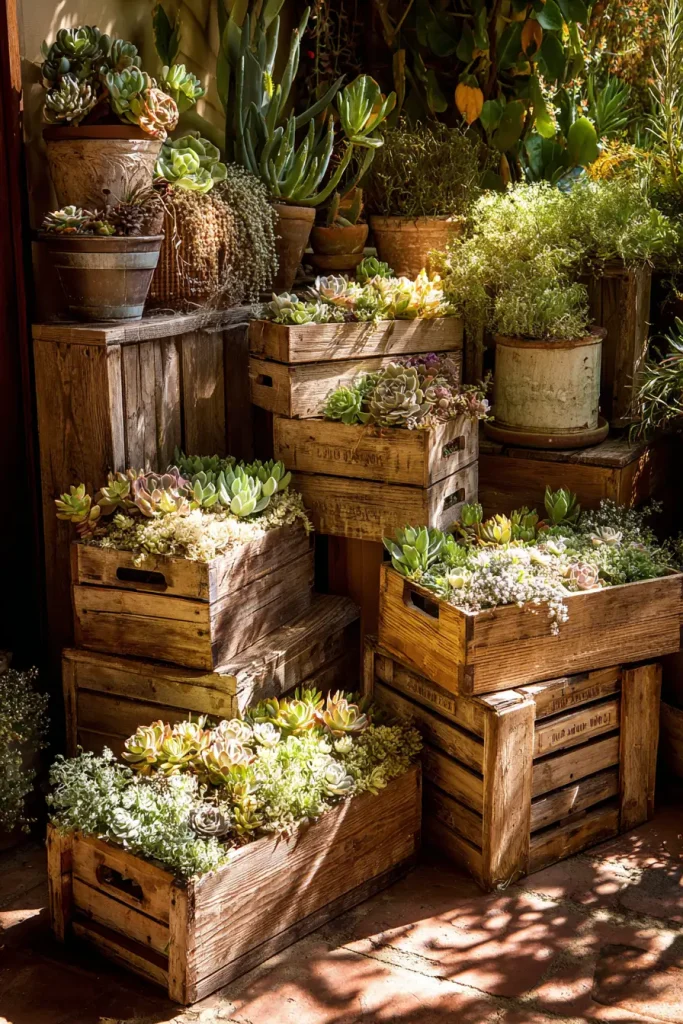
Wooden fruit crates make simple plant displays.
You stack them to create tiers.
Each crate holds one or two plants. The layout feels natural and relaxed.
This works well for
• succulents
• small flowers
• herbs
And when you move you simply carry the crates away.
Quick tip
Line crates with landscape fabric before adding soil.
Conclusion
Living in a rental does not mean giving up gardening.
You simply need smart solutions that move with you.
Container gardens grow herbs flowers and vegetables without digging. Vertical displays add greenery without damaging walls. Temporary beds allow food growing in small yards or patios.
The key idea is portability. Everything should be easy to remove when you leave.
Start simple. One large container or a small herb cart is enough to begin.
Once you see how easy it is you can expand step by step.
These rental garden ideas prove that even renters can enjoy a green outdoor space without breaking the rules.

- 17 Classy Living Room Ideas for a Cozy Elegant Look - April 23, 2026
- 16 Dark Moody Living Room Ideas That Feel Rich and Warm - April 22, 2026
- 14 Elegant Bedroom Trends for 2026 You’ll Love - April 22, 2026