
You spend hours scrolling Pinterest and Instagram. The living rooms look perfect. Styled shelves. Layered rugs. Warm lighting. Then you check the prices and close the tab.
Here’s the thing nobody tells you: most of those rooms are not filled with expensive stuff. They just look that way. The difference between a designer room and a messy one is not money. It is knowing what to buy and how to arrange it.
This guide gives you 17 specific things to find at thrift stores and exactly how to style each one. These are thrift store living room decor ideas that work in real homes, not just in photo shoots. You will also learn what to skip, where to shop, and how to make secondhand pieces look like they belong together.
Why Thrift Stores Are the Best Place to Decorate Right Now
Furniture prices went up 20 to 30 percent between 2020 and 2024. A sofa that cost $600 four years ago now costs $800 or more. At the same time, donations to thrift stores have stayed steady. That means there is more good stuff sitting on those shelves for less money than ever before.
The secondhand home goods market is growing fast. ThredUp’s 2024 Resale Report shows the overall resale market heading toward $350 billion globally by 2027. Home goods are a big part of that growth.
Here is something else worth knowing: older furniture is often better quality. A solid wood side table made in the 1970s or 1980s is built from real wood. Most budget furniture today is made from particleboard. The thrift store version will last longer and look better.
The average American spends between $1,500 and $2,500 furnishing a living room from retail stores. Most thrift-based makeovers land between $150 and $600. That is a real difference.
How to Spot Quality Items Before You Buy
This matters. Not everything in a thrift store is worth taking home. Here is a fast checklist.
Buy these:
- Solid wood frames (knock on the wood with your knuckle; solid wood sounds dull, hollow particleboard sounds like a drum)
- Heavy ceramic pieces (weight means quality)
- Real glass (not acrylic)
- Brass hardware on furniture
- Fabric tagged as linen, cotton, or wool
Skip these:
- Particleboard with swollen edges or bubbling
- Upholstery with stains that bleed onto a white tissue when you press it
- Anything with a broken joint or wobbly leg that cannot be tightened
- Strong musty smells that do not go away after airing out
Most Goodwill and Salvation Army stores restock between Tuesday and Thursday. If you shop on those days, you see the newest donations before everyone else does.
Give yourself 15 minutes in one section before moving on. Rushing means you miss things.
17 Thrift Store Living Room Decor Ideas That Look Designer
1. Oversized Framed Art
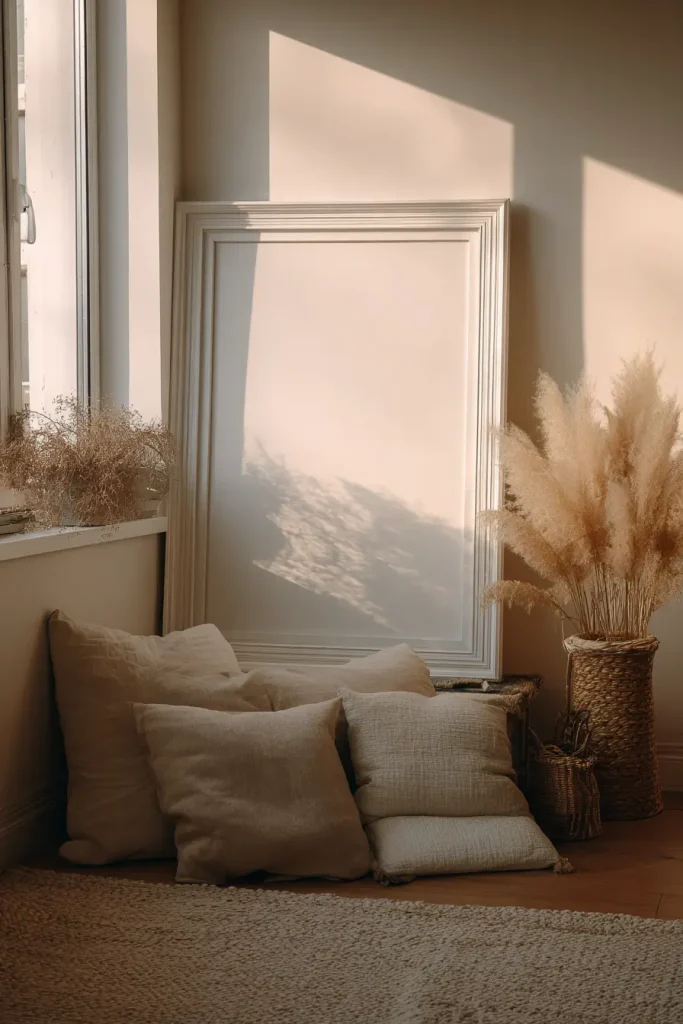
Big frames are everywhere at thrift stores. The art inside does not matter at all. You are buying the frame.
Pull out the old print. Replace it with free art from the Rijksmuseum’s open collection at rijksmuseum.nl/en/rijksstudio. Print it at a local copy shop for a few dollars. The Rijksmuseum gives you access to thousands of high-quality paintings and prints, completely free to download and use.
Styling tip: lean the frame against the wall instead of hanging it. That single choice makes a room look like it was styled on purpose.
Look for frames at least 16 by 20 inches. The bigger the better.
2. Vintage Brass and Gold Accents
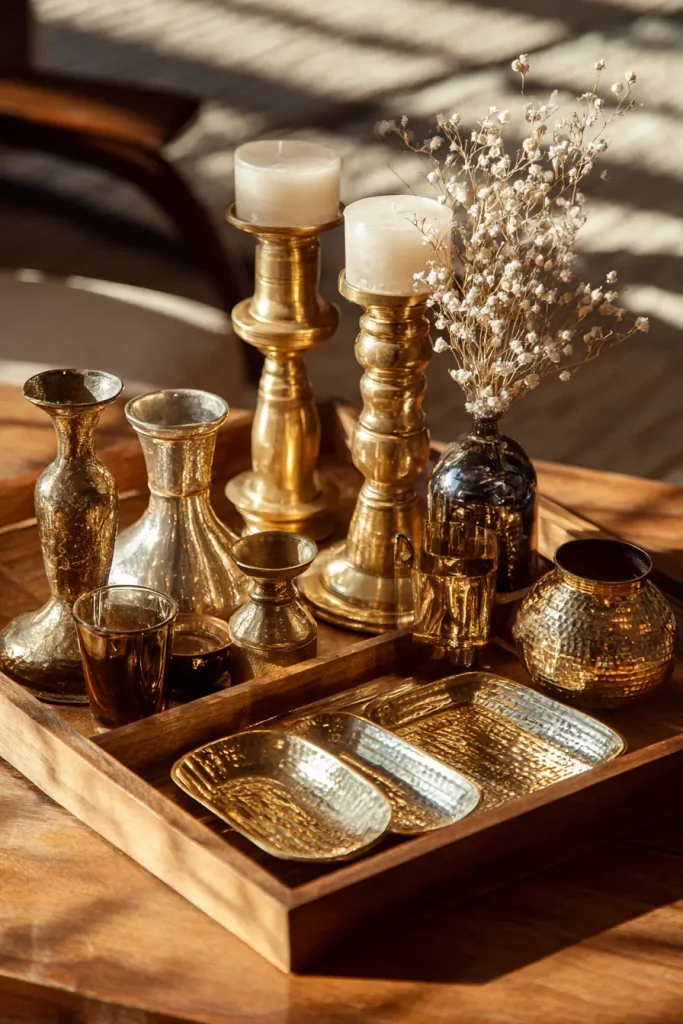
During the minimalist home trend from about 2015 to 2020, people donated brass items in bulk. Candleholders, vases, small trays, picture frames. All of it.
Brass is back. Warm maximalism is one of the biggest interior design trends in 2025 and 2026. That means layered textures, warm metals, and rich colors. Thrift stores are still full of brass pieces donated during the minimalism years.
Clean tarnished brass with a paste made from vinegar, salt, and a little flour. It works better than most commercial cleaners.
One brass item looks nice. Three or four grouped together on a tray look intentional and designed.
3. Ceramic Table Lamps
This might be the best kept secret in thrift store shopping.
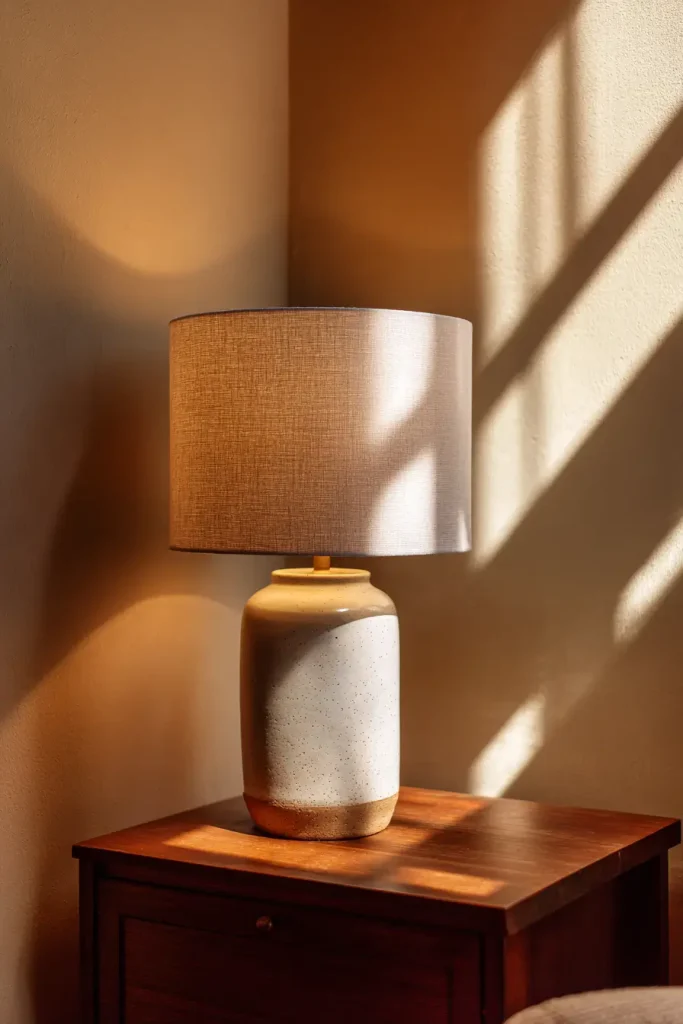
Lamp bases from the 1970s through the 1990s are often solid ceramic, heavy, and interesting looking. They show up constantly at Goodwill. Most cost between $3 and $8.
The trick is simple. Buy the base. Then buy a new drum shade from any home store for around $15. A clean white or linen-colored drum shade makes almost any ceramic base look current and expensive.
A combination that would cost $150 at a store like West Elm costs you about $20.
4. Woven Baskets and Trays
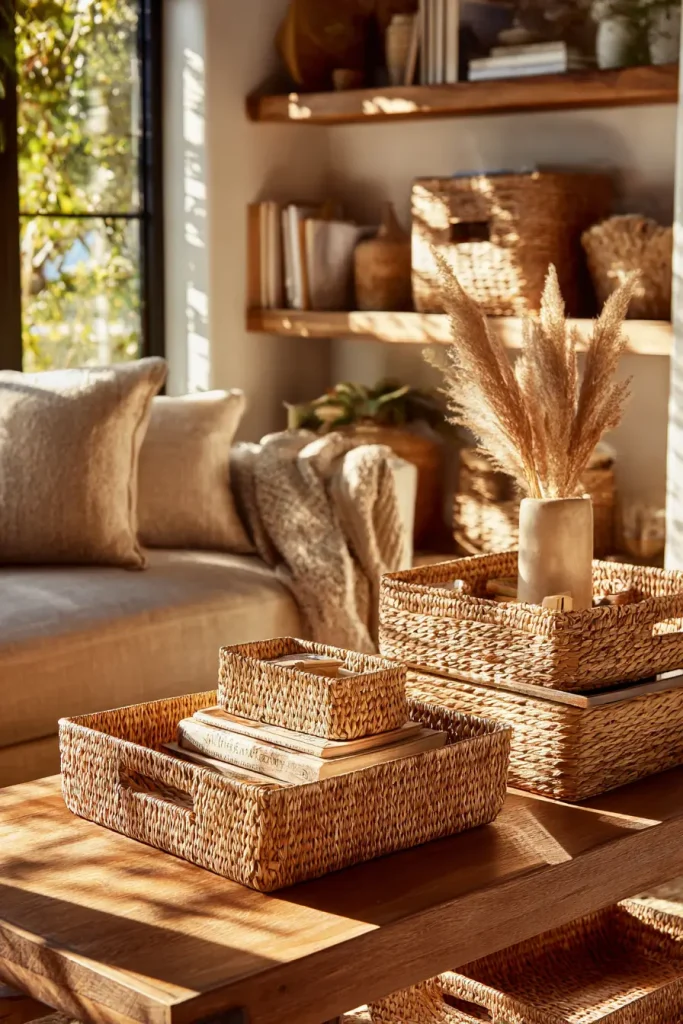
Natural fiber baskets at Pottery Barn cost $60 to $120. The same item at a thrift store costs $3 to $6.
They look identical in photos and in person. Look for tight, even weaves without fraying or broken edges. Round ones, oval ones, rectangular trays. All of them work.
Use them for storage, as coffee table organizers, or as decorative pieces on shelves. They photograph beautifully and bring warmth to any room.
5. Vintage Mirrors
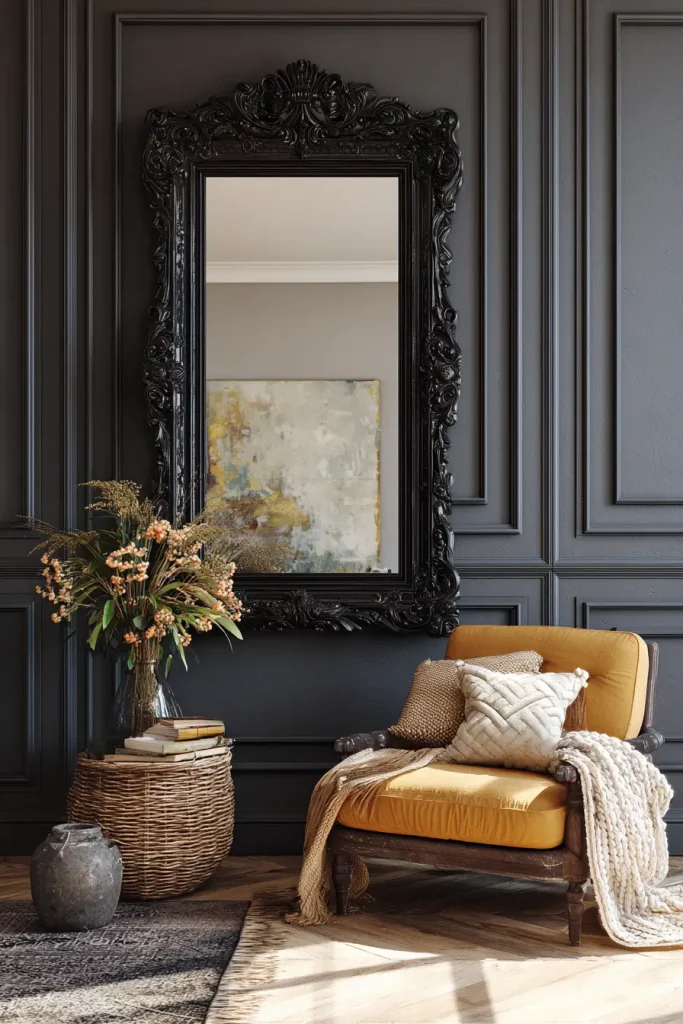
An ornate or interesting mirror frame is a major find.
You do not need to keep the original finish. Buy the mirror for the shape. Then spray paint the frame in matte black, antique gold, or warm white. Spray paint costs about $6 and takes 30 minutes. The result looks like a $200 mirror from a home store.
Large mirrors also make small rooms feel bigger. If you find one, buy it. You will use it.
6. Coffee Table Books
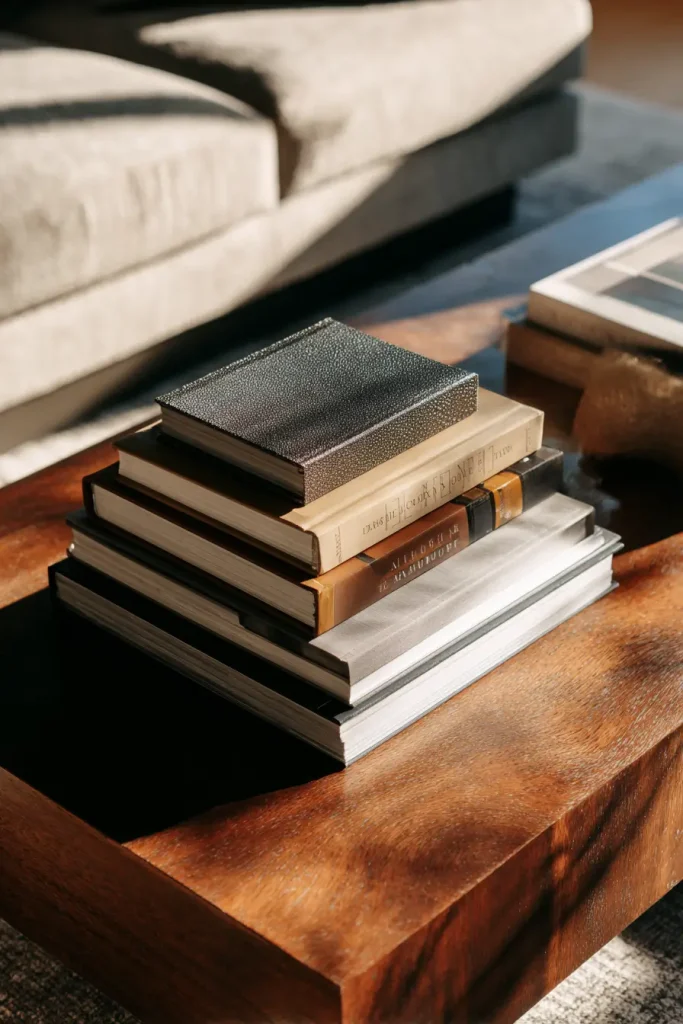
This is so simple it sounds too easy. And it works every time.
Stack three to five large-format books on your coffee table. Art books, architecture books, photography books, fashion books. Goodwill sells these for $1 to $3 each.
Interior designers and stylists use this exact technique in every room they photograph. The books add color, height, and texture. They make a room look like someone thoughtful lives there.
Coordinate the spine colors with your room’s color palette. That is the only rule.
7. Throw Pillow Covers
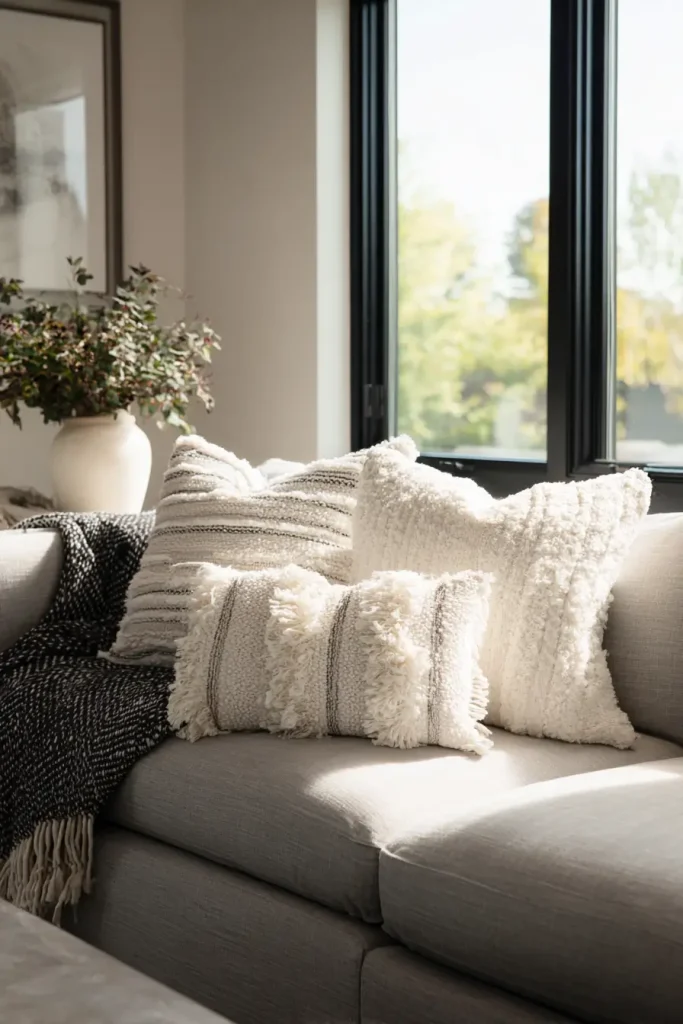
Do not buy new pillow inserts. Donated throw pillows often have barely used foam inserts inside. Buy those for the filling.
Then pair them with thrifted or inexpensive new covers. Look for textured fabrics: boucle, linen, velvet, chunky knit. These textures look high-end even at low prices.
Two or three textured pillows on a sofa change the entire feel of a room.
8. Side Tables Made from Unexpected Objects
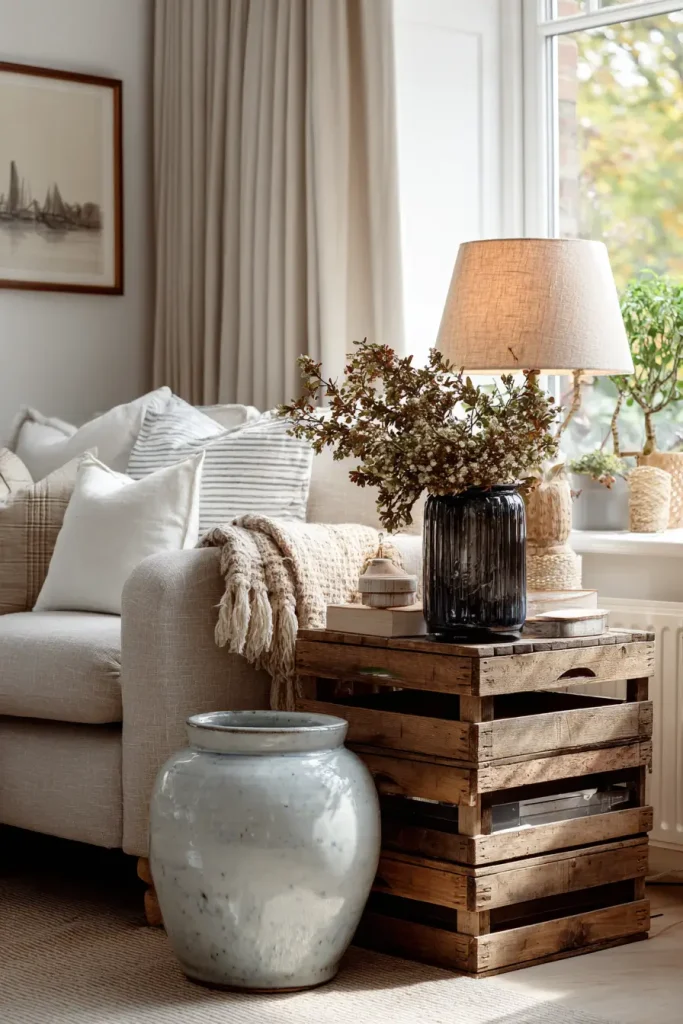
You do not need to find an actual side table.
Wooden crates work. Ceramic garden stools work. Small vintage trunks work. Stacked hardcover books work. Interior designers call this object styling. It is just using interesting objects at the right height to hold a lamp or a drink.
This approach looks more designed than a matching furniture set. It looks like someone with real style lives there.
9. A Gallery Wall from Matching Painted Frames
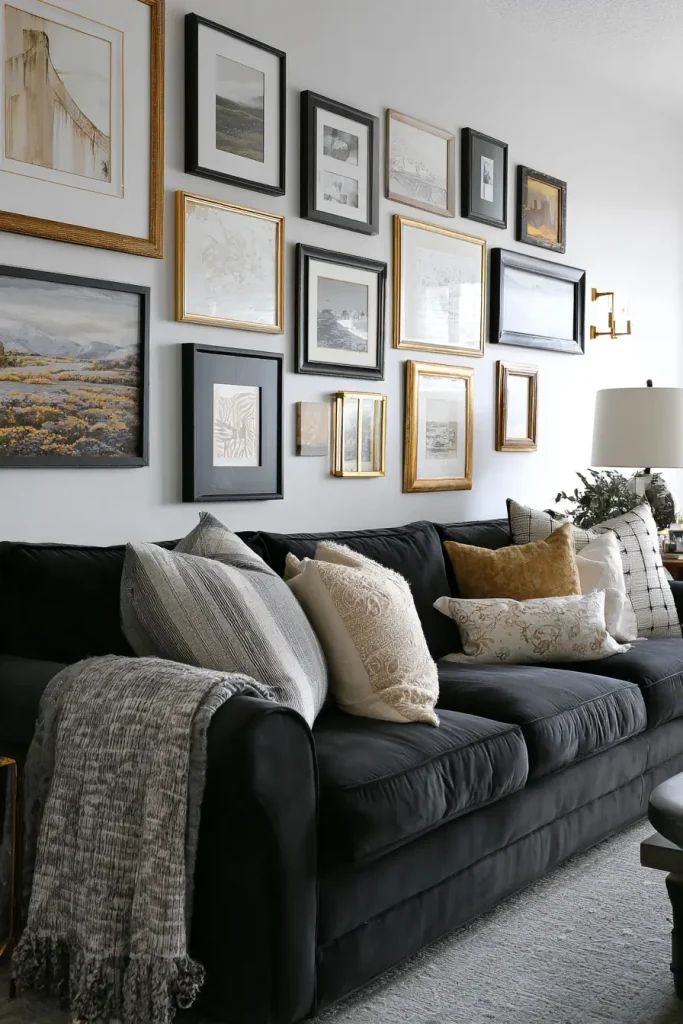
Here is the process. Collect mismatched frames in different shapes and sizes. Try to find a mix of small, medium, and large. Then paint every single frame the same color.
Matte black. Warm white. Antique gold. Pick one.
When all the frames match in color, the different shapes stop looking random. They look curated. Fill them with free prints, photos, or simple artwork. Hang them close together with small gaps between them.
This is one of the most used techniques in professional interior design. And it costs almost nothing.
10. Vintage Rugs
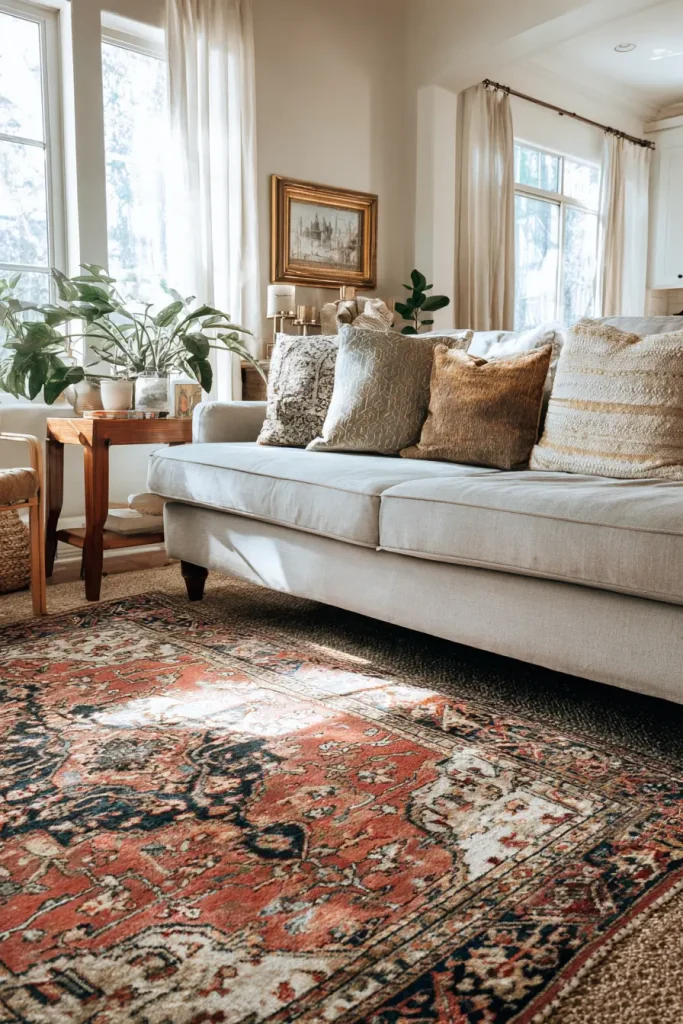
Persian and Turkish-style rugs are among the highest-value items you can find at thrift stores. Even a worn or faded one has character that new rugs rarely have.
One popular styling technique right now is rug layering. Place a small vintage rug on top of a larger neutral one, like a jute or sisal rug. The layered look is warm, textured, and looks expensive. It is everywhere in 2025 and 2026 interior design content.
Inspect rugs for damage, smell, and staining before buying. Most just need a good shake outside and a vacuum.
11. Full-Length Curtains and Linen Panels
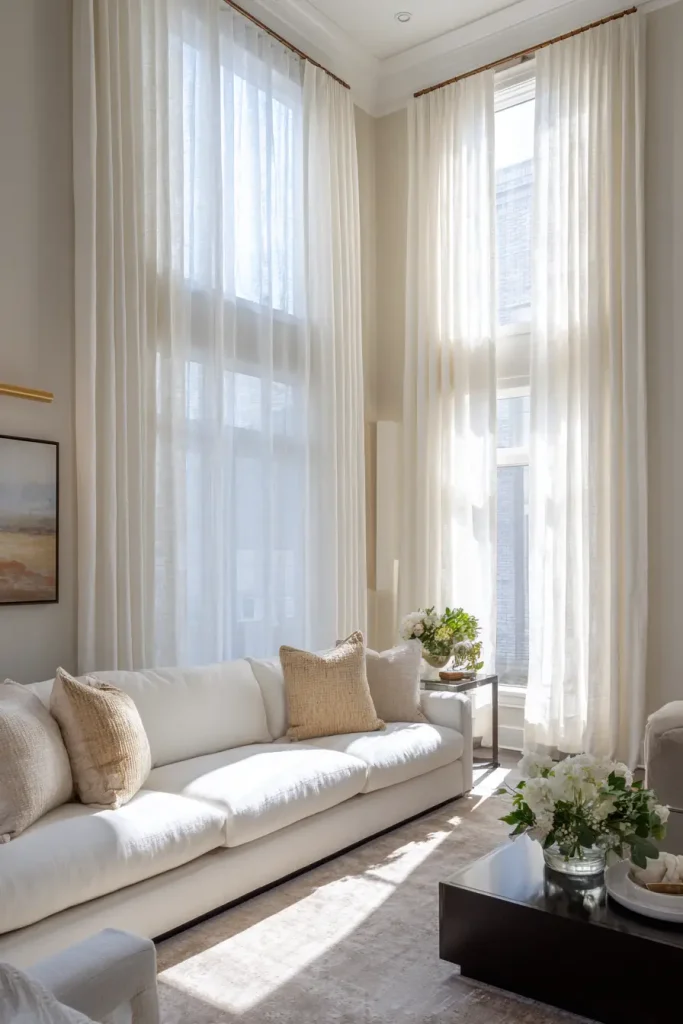
This is one of the single most impactful changes you can make in any room.
Floor-to-ceiling curtains make ceilings look taller. They make windows look bigger. They make the whole room feel more finished.
Thrift stores regularly have linen or cotton curtain panels. Even if they are slightly too short or too long, a basic hem costs very little at any alterations shop. Neutral colors, like ivory, white, or warm gray, work in every room.
Do not hang curtains just above the window frame. Hang the rod as close to the ceiling as possible. That one change makes a major visual difference.
12. Bookshelf Decor Objects
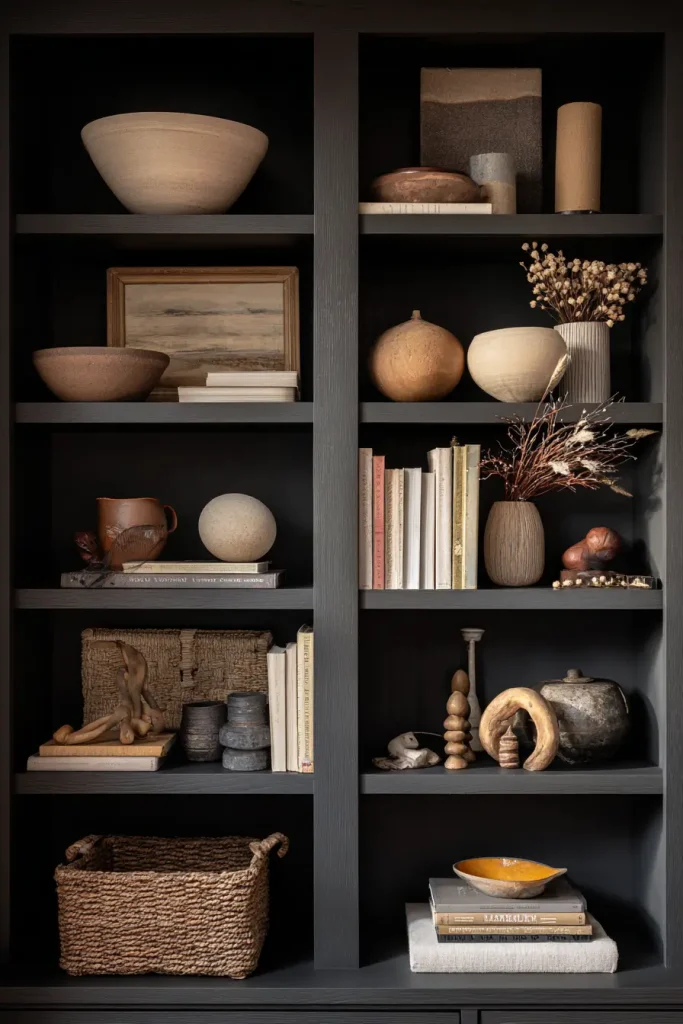
Styled shelves are everywhere on Pinterest and Instagram. The secret is not what you buy. It is how you arrange things.
Group objects by shape or height. Mix tall things with short things. Add something round next to something angular. Leave some empty space. Not every inch needs to be filled.
A $2 ceramic bowl or a small wooden sculpture from a thrift store has the same visual impact as a $40 “decorative object” from a home store. The difference is in the arrangement.
13. Wooden Boards Used as Trays
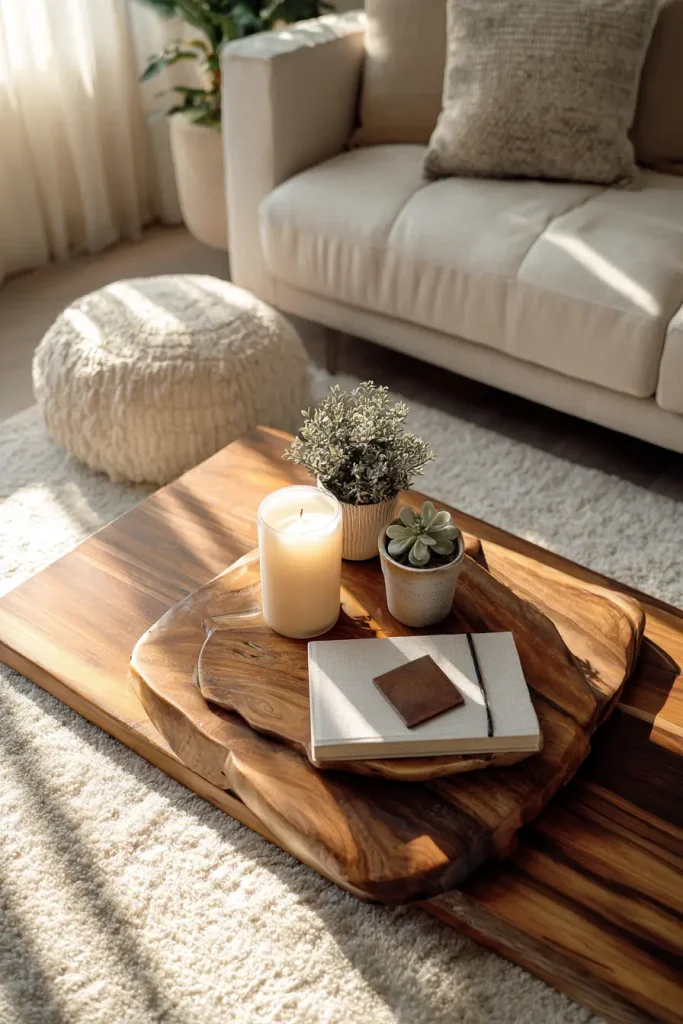
Large wooden cutting boards and serving boards are common donations. And they are useful in ways people do not expect.
Place one on your coffee table or ottoman. Arrange a few items on top of it: a candle, a small plant, a book, a coaster. The board acts as a tray that groups the objects together.
Grouped objects look designed. Scattered objects look like clutter.
14. Vintage Wall Clocks
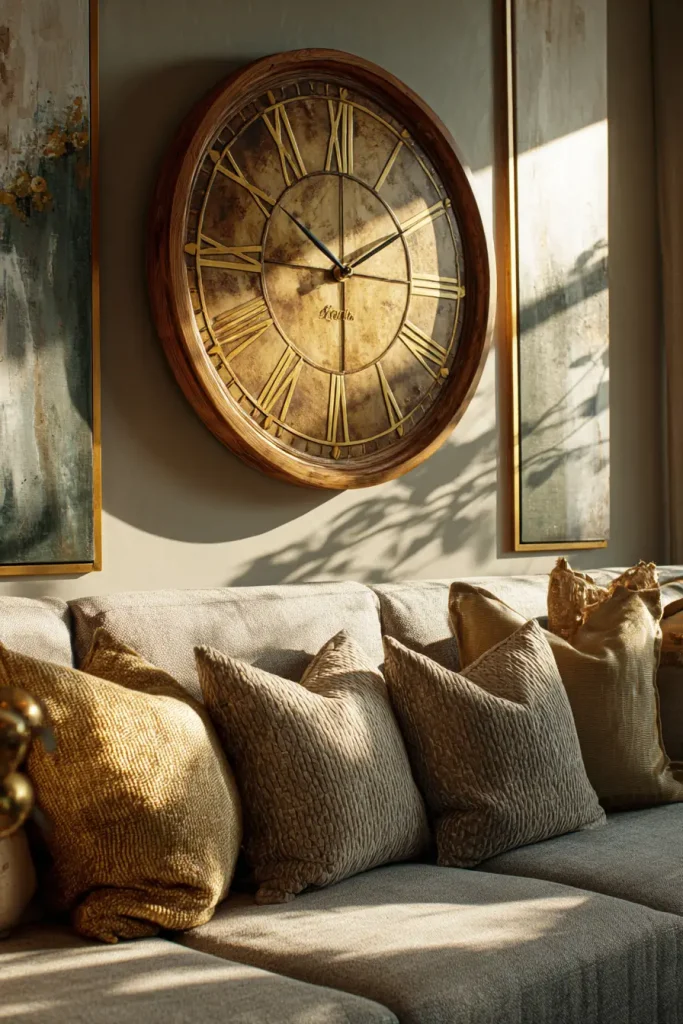
A large, interesting wall clock is a statement piece. It adds function and visual interest at the same time.
Vintage clocks show up regularly at thrift stores. Most just need a new battery. Clean the face, replace the battery, hang it on the wall.
Round clocks, octagonal clocks, clocks with wooden frames, clocks with brass accents. Any of them work. Size matters more than style. Go as large as you can find.
15. Interesting Planters and Pots
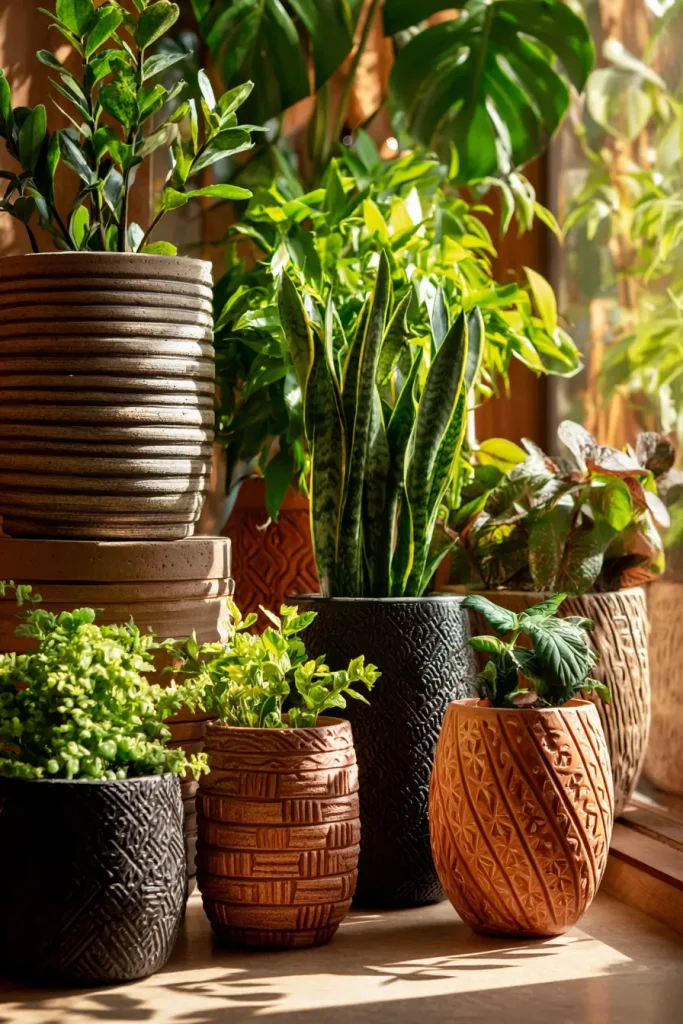
Ceramic and terracotta planters in unusual shapes, sizes, or textures get donated all the time.
A plant in an interesting pot does more for a room than most decorative objects. It adds color, life, and organic texture.
If you do not have a green thumb, buy pothos, snake plants, or ZZ plants. All three grow in low light. All three are hard to kill. All three look good.
16. One Statement Armchair
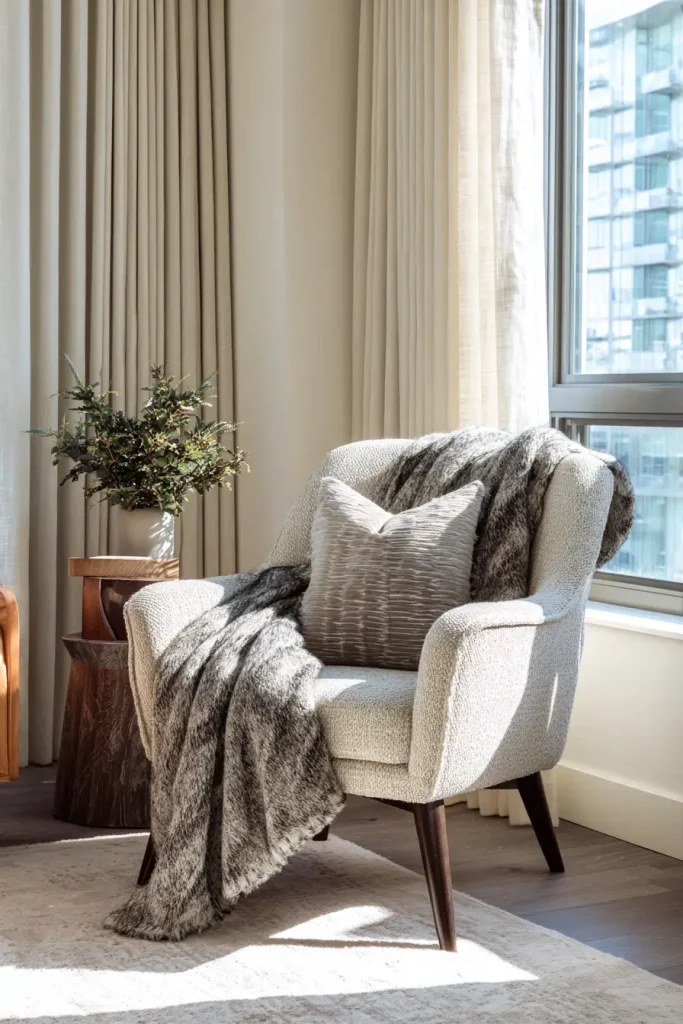
This is the biggest investment in this list. And it is worth it.
One well-chosen armchair can define an entire living room. It gives the room a focal point. It adds color or texture you cannot get from small objects.
Look for armchairs with solid wooden legs and a firm seat. Sit in it. If the frame feels sturdy and the seat does not sink to the floor, it is worth considering.
Worn or dated upholstery is not a reason to skip it. Drape a large throw blanket over the back and seat. That is a legitimate styling technique used by professional home stagers. It covers wear and adds texture at the same time.
17. Candle Holders Grouped in Odd Numbers
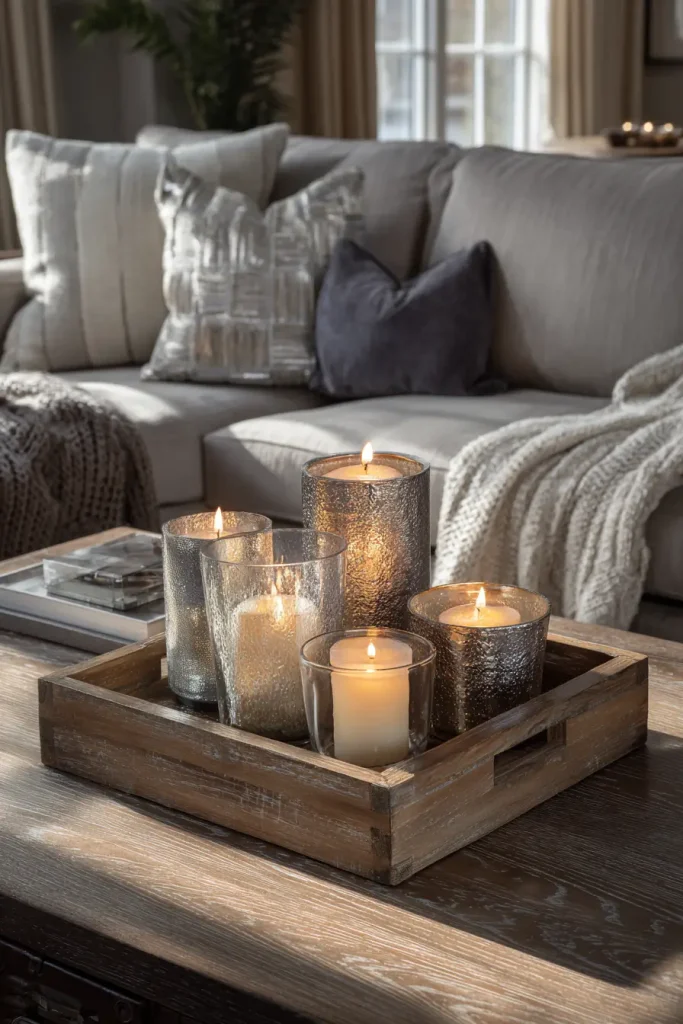
Thrift stores are always full of candleholders. People donate them constantly.
Buy three or five. Not two, not four. Odd numbers look more natural when grouped.
Choose holders at different heights. Place them on a wooden tray or board. Add a candle to each one. Set the whole group on your coffee table or fireplace mantel.
This is a vignette. Interior designers use this technique in every single room they style. It costs almost nothing to do yourself.
How to Make Secondhand Pieces Look Like They Go Together
The biggest mistake people make is buying interesting things and then placing them randomly around a room. Things that do not connect to each other make a room look messy, not designed.
Here is a simple rule to follow. Use the 60/30/10 color system.
60 percent of your room should be one dominant color. Think walls, large sofa, big rug. 30 percent should be a second color. Think curtains, chairs, side tables. 10 percent should be an accent color. Think pillows, art, small objects.
When you thrift shop, buy things that fit into one of those three categories. If something is beautiful but has a color that does not fit anywhere, put it back.
Repetition is what makes a room look designed. Use the same color in at least three places. Use the same material in at least two places. For example: a brass lamp, a brass-framed mirror, and brass candleholders. Each one alone looks random. All three together look like a choice.
Edit what you already have. Five objects placed with intention look better than fifteen objects placed at random. If a shelf feels cluttered, take things away before you add more.
The squint test works. Stand back and squint your eyes at the room. Whatever jumps out as wrong probably is. Remove it and see if the room feels more settled.
The Takeaway
A good-looking living room is about three things: choosing quality pieces, editing what you keep, and styling what stays with intention.
You do not need a big budget. You need to know what to look for. Now you do.
Start this weekend. Pick one surface in your living room. A coffee table, a shelf, a windowsill. Apply three ideas from this list. See what changes.
Thrift store living room decor done right looks better than most rooms put together with new retail pieces. It just takes a bit of patience and a plan.

- 17 Classy Living Room Ideas for a Cozy Elegant Look - April 23, 2026
- 16 Dark Moody Living Room Ideas That Feel Rich and Warm - April 22, 2026
- 14 Elegant Bedroom Trends for 2026 You’ll Love - April 22, 2026

