
In 2026, the loudest trend in interior design isn’t a color. It’s the pursuit of quiet.
After years of staring at screens, our bedrooms are no longer just for sleeping. They’re neurological sanctuaries—places where your brain can finally rest. You want a room that feels like a hug. But right now, maybe you’re dealing with harsh overhead lighting, mismatched furniture from college, and no clear vision of where to start.
That’s where this guide comes in.
We’ll walk through 15 dreamy aesthetic bedroom ideas that blend nature, smart design, and tactile comfort. You’ll learn how to build a space that looks good and actually helps you relax—whether you rent, own, or just need a refresh. No complicated theories. Just real steps you can take today.
1. The “New Neutral” – Brown, Clay, and “Mushroom” Tones
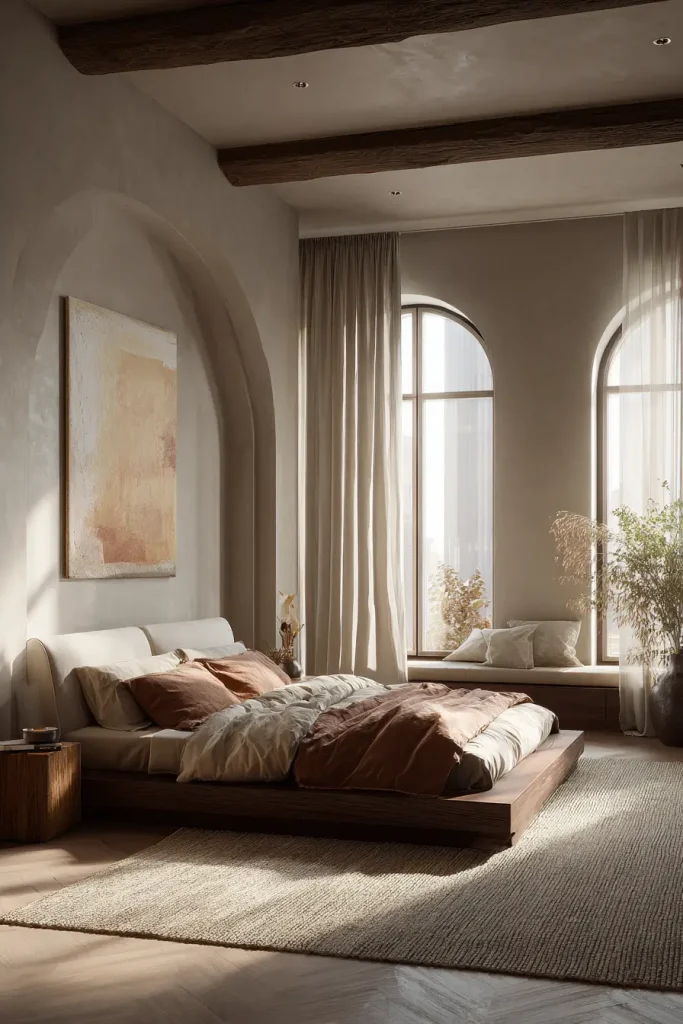
If your bedroom is still painted “Agreeable Gray,” it’s time for an intervention.
Gray has been the go-to for years, but in 2026, it’s being replaced by warmer, earthier shades. Think mushroom (a greige with a pink undertone), rich chocolate brown, and terracotta. These colors feel cozy and grounded—exactly what you want in a sleep space.
The trick is to layer them so the room doesn’t look muddy. Start with a main wall color, then bring in lighter or darker versions through bedding, rugs, and curtains. For maximum impact, try color drenching: paint the walls, trim, and ceiling the same warm color. It creates a cocoon effect that feels safe and calm.
Renter tip: No paint? Use removable wallpaper or large fabric panels stretched over canvas frames to add color without permanent changes.
Would you try a mushroom wall in your space?
2. The Canopy Bed (Reimagined for 2026)

Forget the heavy wooden four-posters from your grandma’s house. The 2026 version of a canopy bed is light, airy, and surprisingly renter-friendly.
Instead of a built-in frame, use a single ceiling hook (or a tension rod in a corner) to drape sheer, billowy fabric. Let the fabric hang loosely or swag it across the ceiling. The goal is to soften harsh lines in the room and create a sense of enclosure—like your bed is its own little world.
Check out chef Sophia Roe’s bedroom for inspiration. Her use of draped linen makes the space feel dreamy without being fussy.
How to do it:
- Find a strong ceiling hook rated for at least 20 lbs.
- Pick a lightweight fabric (linen or gauze works well).
- Drape it over the hook, letting it cascade down on either side of the bed.
This idea works even if you’re renting. Just patch the small hook hole before you move out.
3. Ambient Only – The 3‑Light Rule (No Overheads)
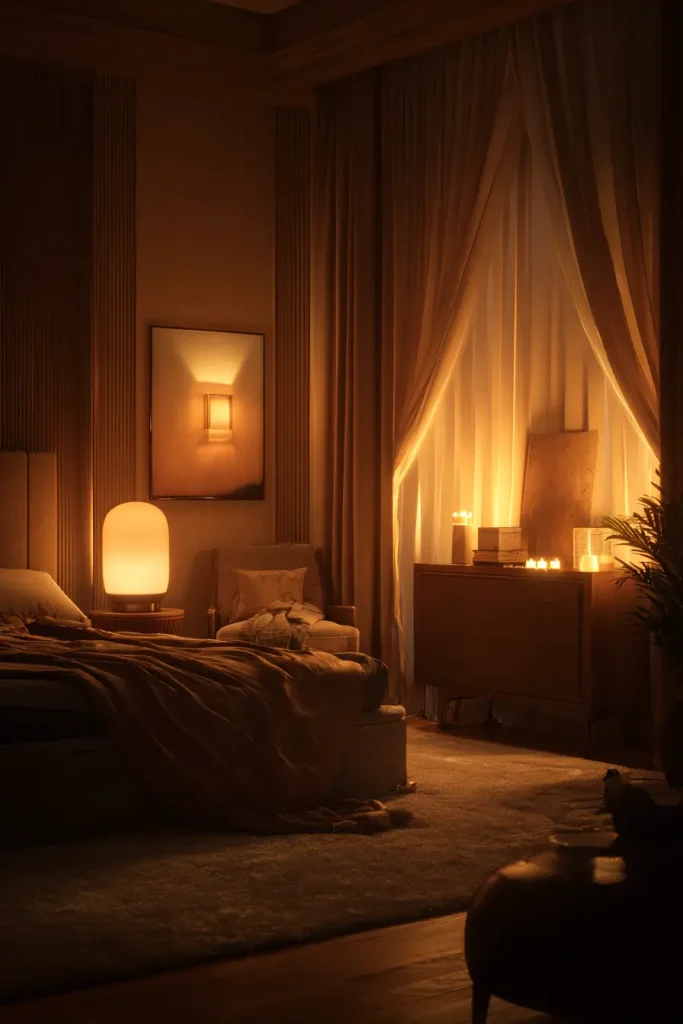
We’ve all done it: walked into a bedroom, flipped the overhead switch, and instantly felt like we were in an operating room. That harsh “big light” is the enemy of a calm space.
The fix is the 3‑Light Rule. You need three distinct light sources, all with warm bulbs (2700 Kelvin is the sweet spot). Here’s the formula:
- Sculptural floor lamp – adds height and acts as art.
- Bedside sconces – hardwired or plug‑in. Aim for shades that direct light downward.
- Candle‑style LED clusters – small, dimmable lights you can group on a dresser or nightstand.
In 2026, “graze lighting” is also trending. That means pointing lights upward to highlight textured walls or architectural details. It creates a soft glow without a single visible bulb.
Pro tip: If you can see the lightbulb filament without a shade, you’re doing it wrong. Cover those bulbs.
4. The “Anti‑Tech” Nook
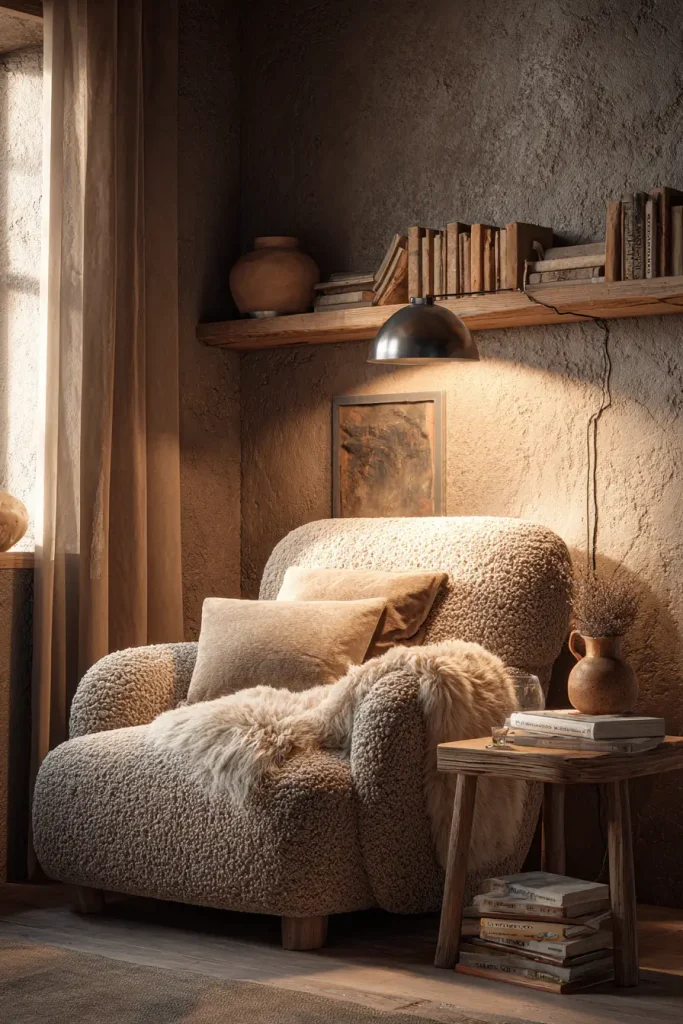
Your bedroom shouldn’t compete with your phone for attention.
Designate a small corner—even just a comfortable chair—as a tech‑free zone. Keep outlets hidden, and put a “phone jail” (a small box or a Faraday bag) nearby to stash your device when you enter.
Then add a physical ritual. A specific lamp that only turns on when it’s time to read. A stack of books you actually want to read. A sheepskin or bouclé throw that invites you to sit and touch something real.
This isn’t about being anti‑tech. It’s about creating a space where you choose to disconnect because the environment feels better than scrolling.
5. Texture Stacking – The 5‑Touch Rule
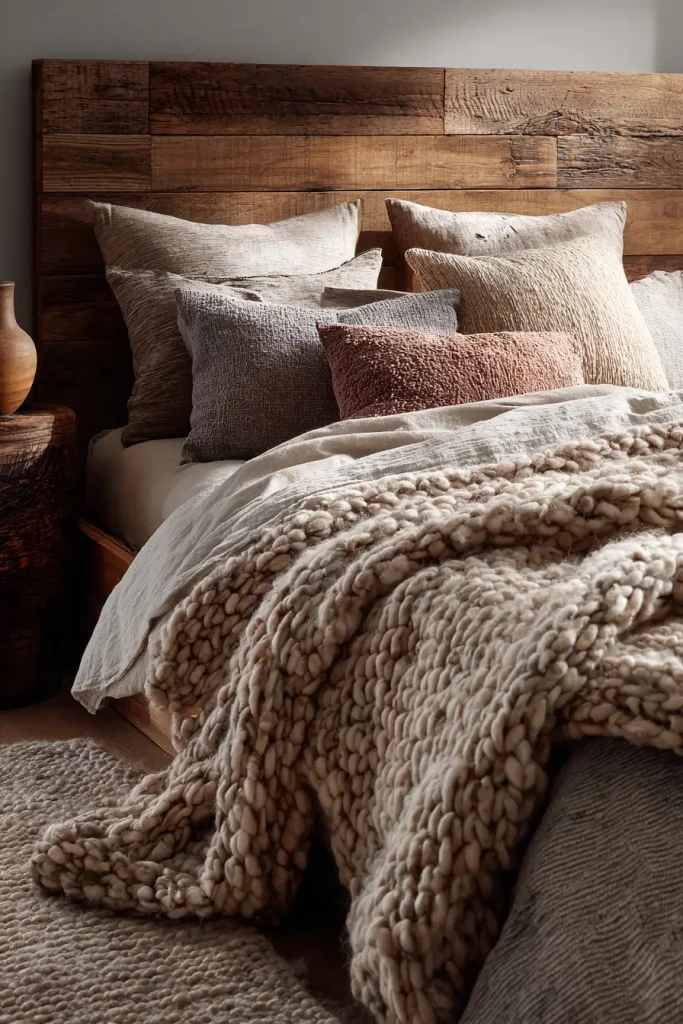
An aesthetic bedroom fails if it looks sterile. The secret is texture.
The 5‑Touch Rule says you should combine at least five distinct textures in one view. Think velvet, linen, wood, stone, and shearling all within arm’s reach.
Start with your bed. Use a quilt as the base, then add Euro shams in a different fabric, a lumbar pillow in something completely different (like chunky knit), and finish with a throw blanket draped casually over the end. The mix of materials makes the room feel collected, not catalog.
In 2026, handmade textures are especially popular—visible stitching, raw wood edges, chunky knits. They push back against the AI‑generated perfection that can feel cold.
6. Dopamine Decor – Small Bursts, Not Loud Walls
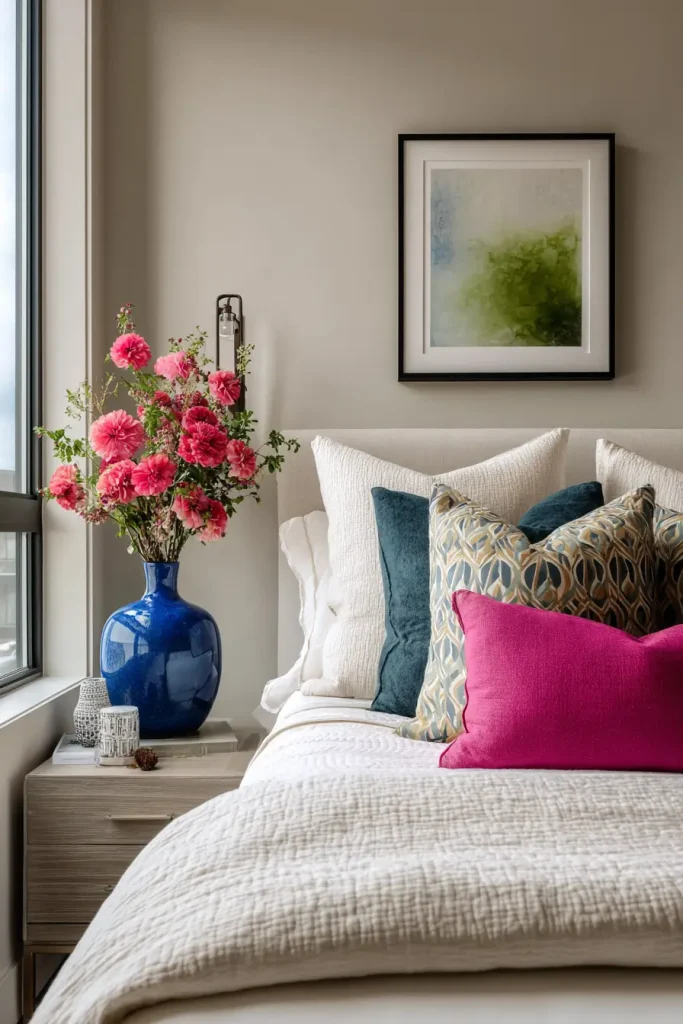
All‑white minimalism is fading. But that doesn’t mean you need to paint everything neon.
The 80/20 rule works perfectly here: keep 80% of the room calm (your neutral walls, bedding, big furniture), and use the remaining 20% for joyful pops of color. Think cobalt blue, limewash green, or magenta—applied only to accessories like vases, lamps, or art.
This way, you get the mood‑boosting benefits of color (what designers call “dopamine decor”) without overwhelming your senses. And because the color is only on smaller items, you can swap it out whenever your taste changes.
7. Vintage Overhaul – The “Grandmillennial” Revival
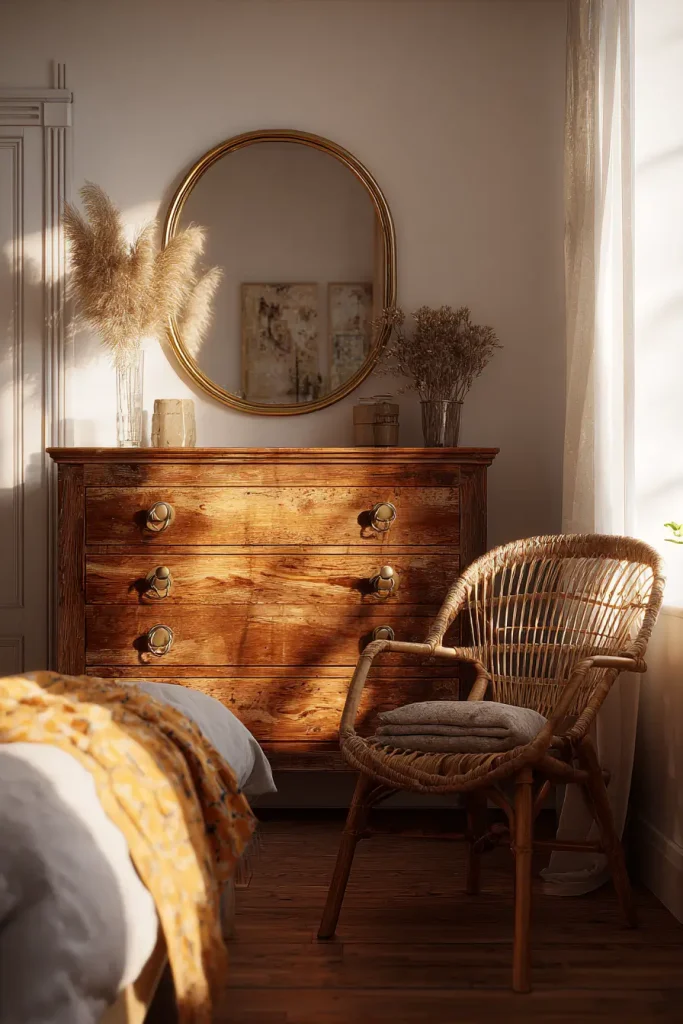
Fast furniture is out. A single, solid vintage piece is in.
Instead of buying a matching set of MDF furniture, hunt for one high‑quality vintage find—a solid wood dresser from Facebook Marketplace, a rattan chair from a thrift store, a brass mirror from an estate sale. Mix it with your modern basics.
The charm comes from contrast. Pair a 1970s rattan piece with a sleek 1990s nightstand. The result feels personal and sustainable. Plus, vintage furniture often sheds fewer microplastics than new synthetic pieces, which is a small win for your air quality.
Search tip: Use hashtags like #SecondhandFirst on TikTok to see how others are mixing eras.
8. The “Unexpected Red” (or Green) Theory
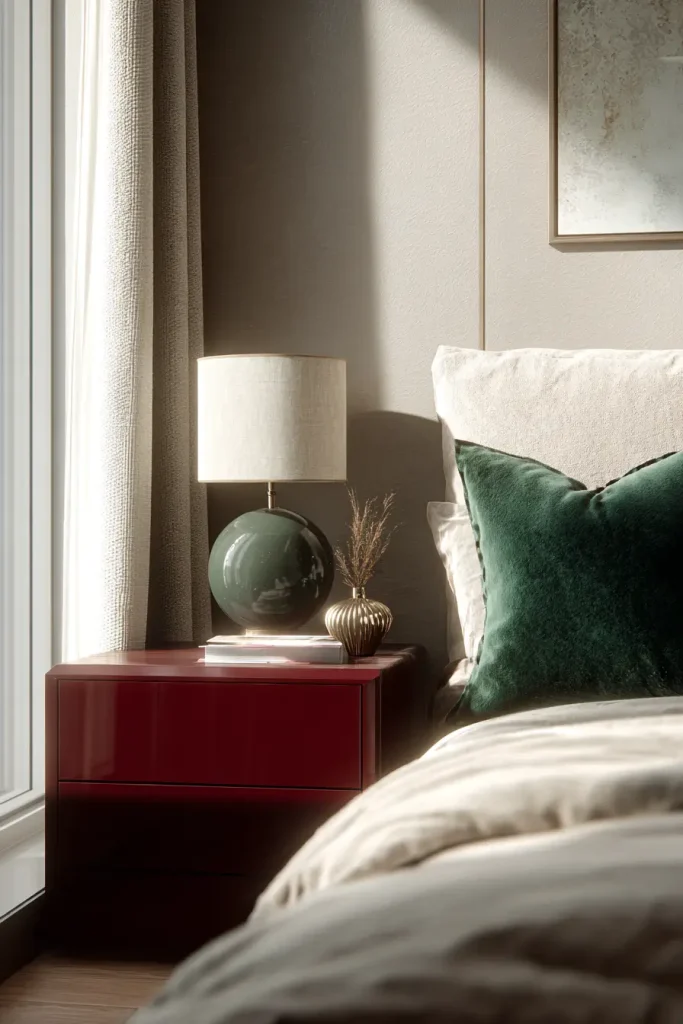
Sometimes one small, intentional splash of a bold color changes everything.
This is the “unexpected red” theory, but it works for any strong hue. A red frame on an art piece. A single emerald green cushion. A burgundy bedside table that stands out against neutral walls.
That one element creates visual tension—it keeps the room from looking like a staged model home. It adds personality without requiring a full redesign.
9. Curated Wall Galleries (Maximalism 2.0)
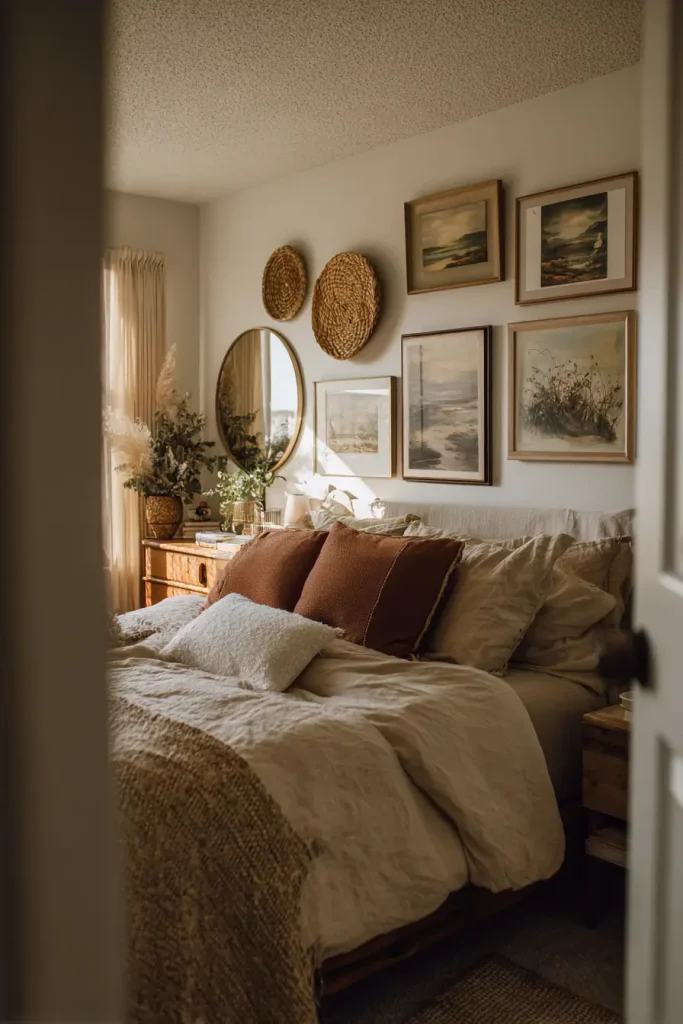
Forget the perfectly spaced, all‑black‑frame gallery wall. The 2026 version is looser, more organic, and often includes 3D objects.
Lean art against the wall instead of hanging it. Mix framed prints with plates, small mirrors, woven textiles, or even a favorite hat. Group them in clusters that feel like they grew over time.
If you’re renting, use command strips to create a salon‑style wall without nail holes. The result feels curated, not chaotic.
10. The Renter‑Friendly Transformation – Peel and Stick Evolved
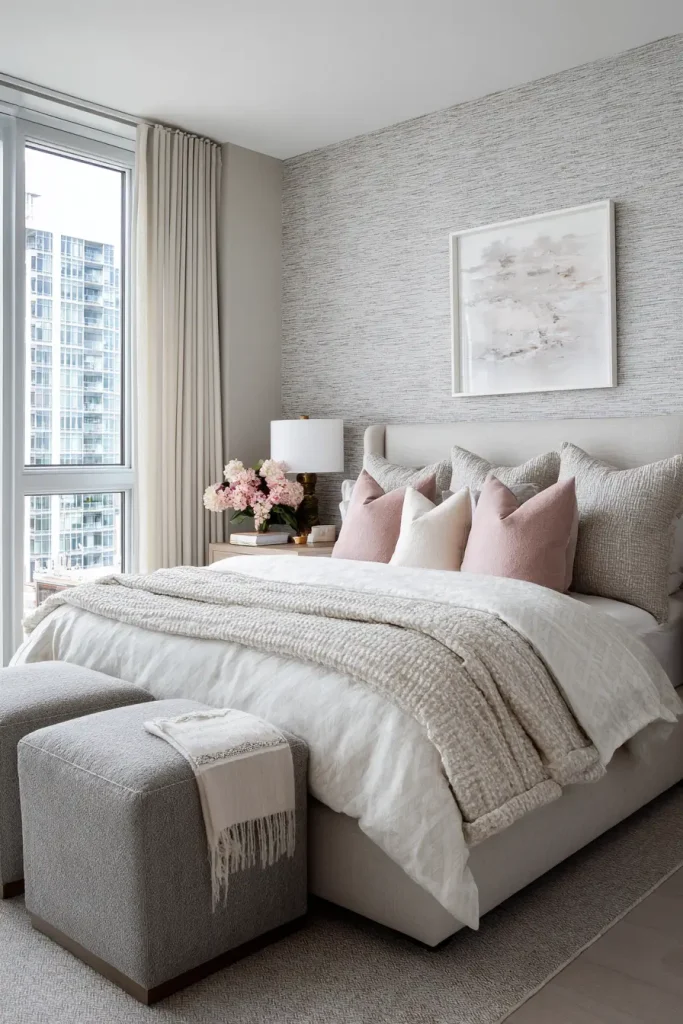
Removable wallpaper has come a long way. You can now find textured options that mimic grasscloth, linen, or even tile—not just the floral patterns of a few years ago.
Use it to create an accent wall behind your bed, or line the inside of closet doors for a surprise pop.
Peel‑and‑stick floor tiles are another game changer. Cover ugly landlord flooring in minutes, and peel them up when you move.
Even IKEA hacks can be renter‑friendly now. Build temporary built‑ins using modular shelving that can be disassembled without damaging walls.
11. Curated Clutter (Organized Display)
Open shelving done right isn’t about hiding everything. It’s about curating what you show.
On a bookshelf, follow the rule of thirds:
- ⅓ books (arranged both vertically and horizontally)
- ⅓ decorative objects (vases, small sculptures)
- ⅓ personal artifacts (travel souvenirs, framed photos)
For everything that doesn’t fit that aesthetic—cables, random clutter—use uniform storage baskets. A row of matching bins keeps the space looking clean while still feeling lived‑in.
12. The “Bed Scarf”
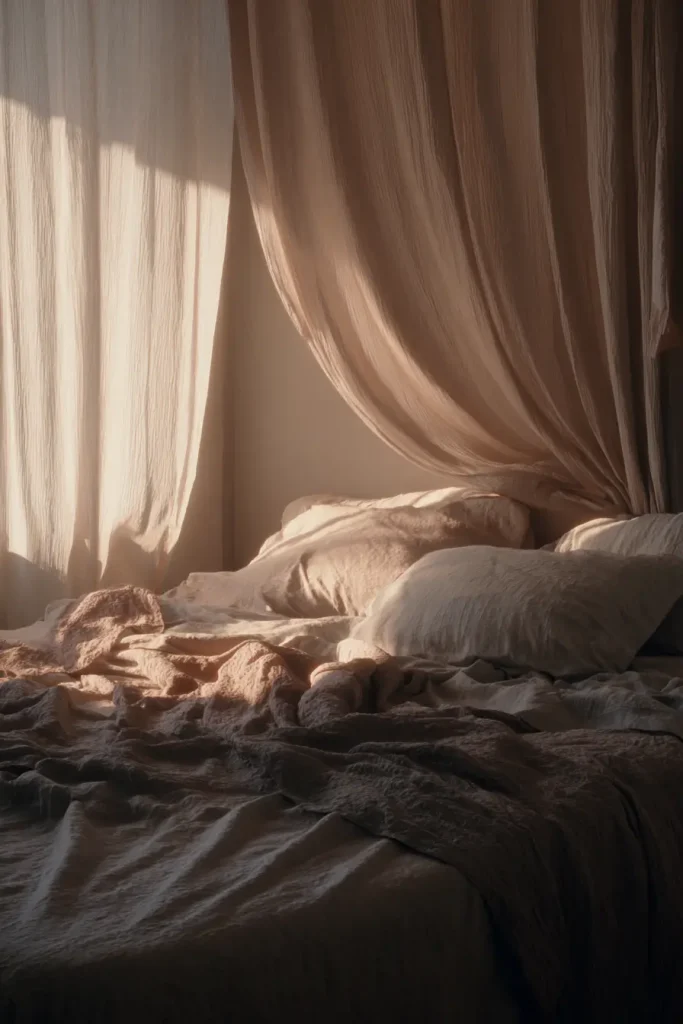
You know that awkward moment when you try to make the bed but don’t want to use a full runner? Enter the bed scarf.
It’s a long, textured piece of fabric (often knitted or quilted) draped asymmetrically across the foot of the bed. It adds color and texture without requiring you to perfectly tuck corners.
A bed scarf is also a great way to test a new color in your room without committing to a whole new duvet.
13. Greenery That Survives
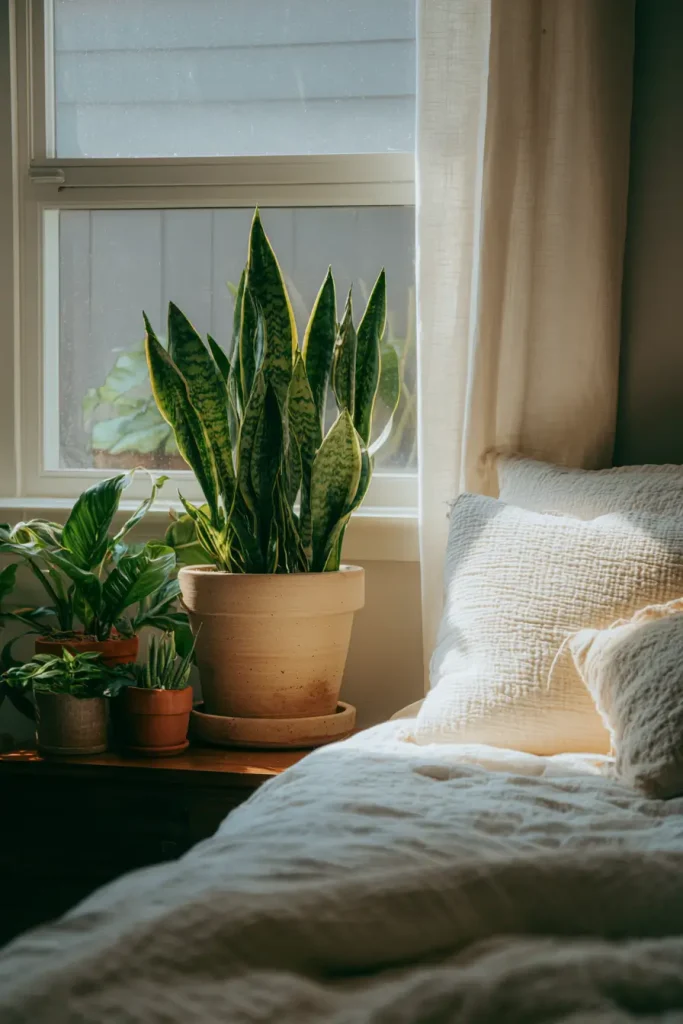
You don’t need a jungle. You just need plants that actually live.
Skip the high‑maintenance fiddle leaf fig and go for snake plants, ZZ plants, or pothos. They thrive on neglect and still purify the air (NASA’s Clean Air Study backs that up).
For an even easier option, try a preserved moss wall or a glass cloche with a humidity‑loving plant inside. The greenery adds life and reduces stress—without the guilt of killing another houseplant.
14. Mood‑Boarding (The Digital Detox Wall)
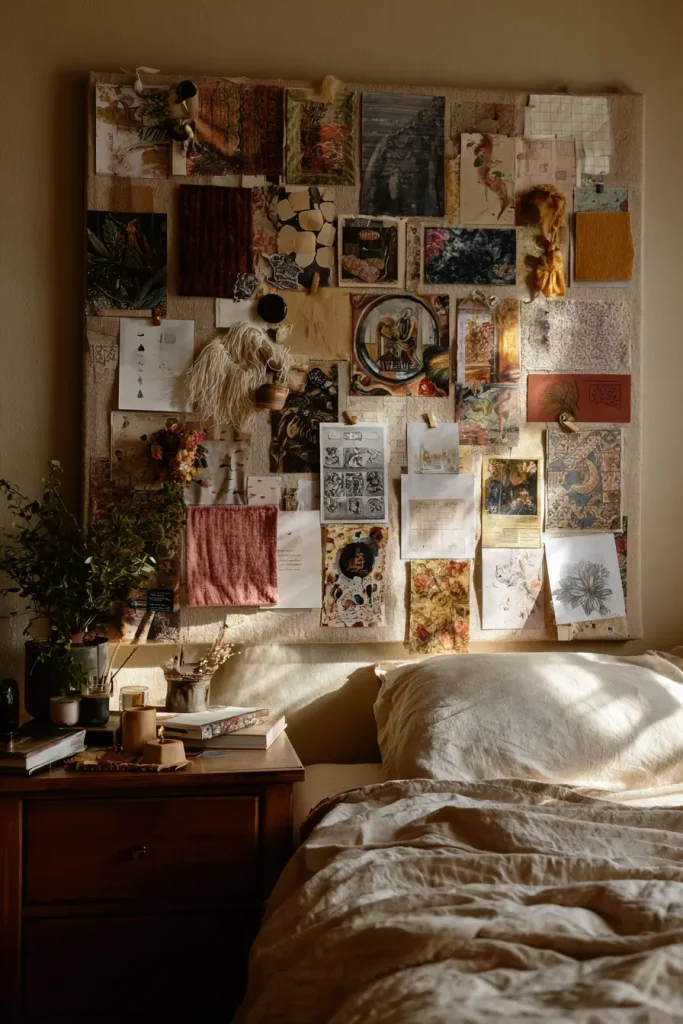
Instead of a TV or computer screen in your bedroom, hang a physical mood board.
Use a large cork panel or an old picture frame with a fabric backing. Pin fabric swatches, postcards, magazine clippings, and small mementos. It becomes art that changes with you—and it’s a great conversation starter.
Best of all, it replaces the need for a screen in your sleeping space. That’s one less source of blue light before bed.
15. Sensorial Scaping – Scent and Sound
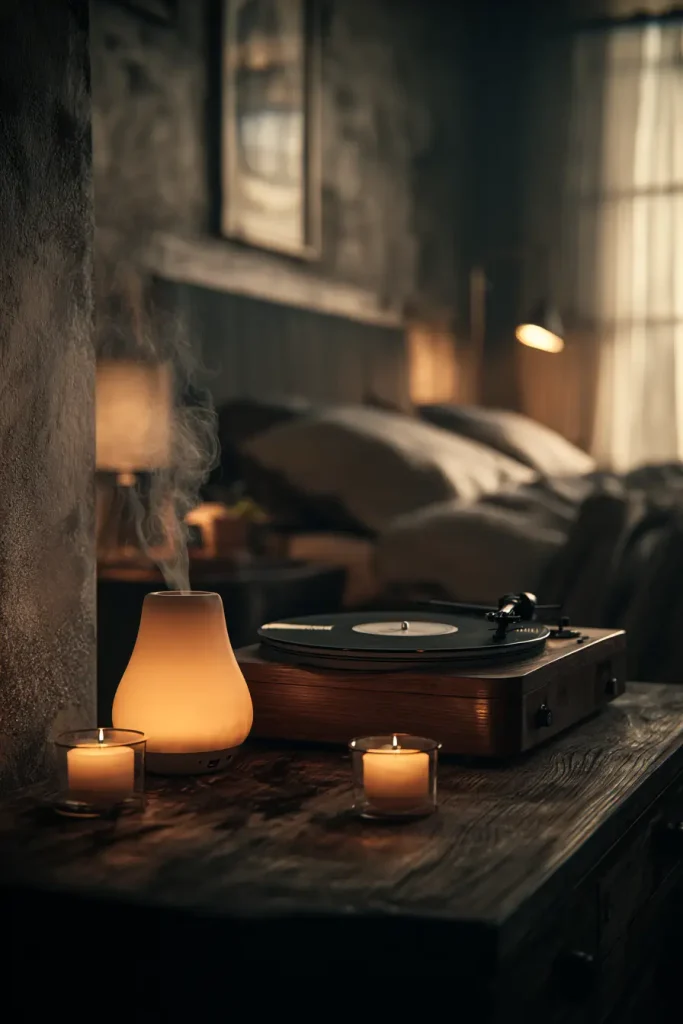
A dreamy bedroom isn’t just visual. It’s sensory.
For scent, choose non‑toxic options like beeswax or coconut wax candles, or an ultrasonic diffuser with essential oils. Lavender is classic for sleep, but sandalwood or cedar can feel grounding.
For sound, skip the loud fan. Try a “brown noise” machine—it’s deeper and less jarring than white noise, and it’s great for anxiety. Or go analog: a small vinyl record player next to your bed turns music into a ritual instead of background noise.
Conclusion
A dreamy bedroom in 2026 isn’t about copying a single “core” aesthetic. It’s about building a sensory refuge a place that helps you sleep, think, and feel better.
Start with just one idea from this list. Maybe it’s switching out your overhead light. Maybe it’s finding one vintage piece you love. Small changes add up fast.
Ultimately, the most dreamy aesthetic bedroom ideas are the ones that help you sleep better and feel more like yourself. And that’s worth copying immediately.
Ready to start? Pick one idea and try it this weekend. Your future rested self will thank you.

- 17 Classy Living Room Ideas for a Cozy Elegant Look - April 23, 2026
- 16 Dark Moody Living Room Ideas That Feel Rich and Warm - April 22, 2026
- 14 Elegant Bedroom Trends for 2026 You’ll Love - April 22, 2026

