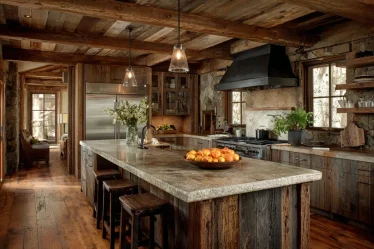
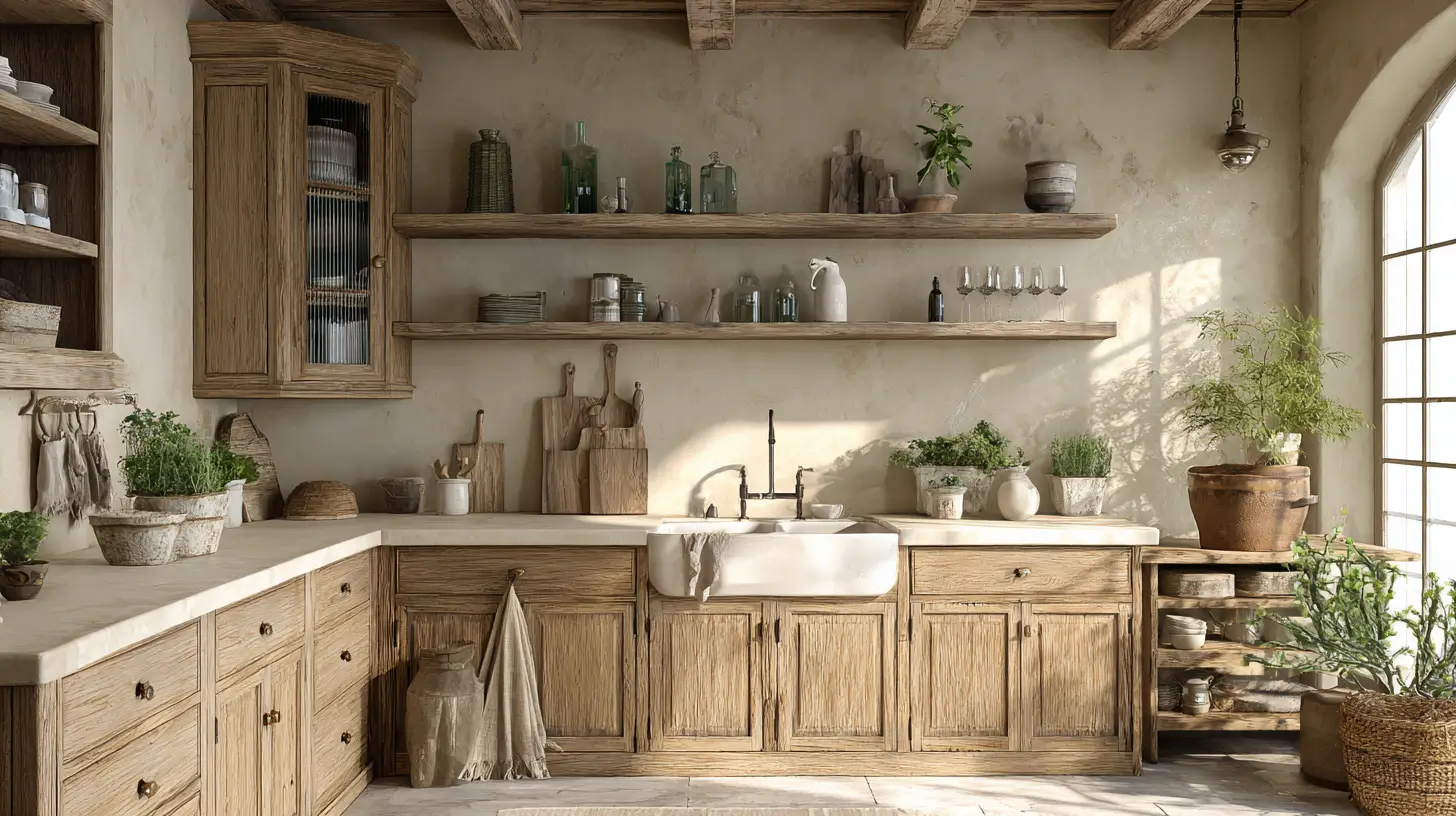
The modern farmhouse kitchen has hit its “millennial grey” peak. You know the look. White shaker cabinets. Grey floors. Polished marble counters. It’s everywhere. And honestly? It feels cold.
If you’ve been saving photos of farmhouse kitchens but worry yours will look generic in five years, you’re not alone. The good news is that the kitchens that truly stand the test of time aren’t following trends. They’re doing something different. Something warmer. Something with soul.
In this guide, I’ll walk you through 18 timeless farmhouse kitchen ideas that focus on texture, authentic materials, and real character. These aren’t just 2026 fads. They’re principles that have made beautiful homes for centuries. You can mix and match them to fit your space, your budget, and your style. Let’s get started.
1. Embrace the “Riven” Look Over Polished Perfection
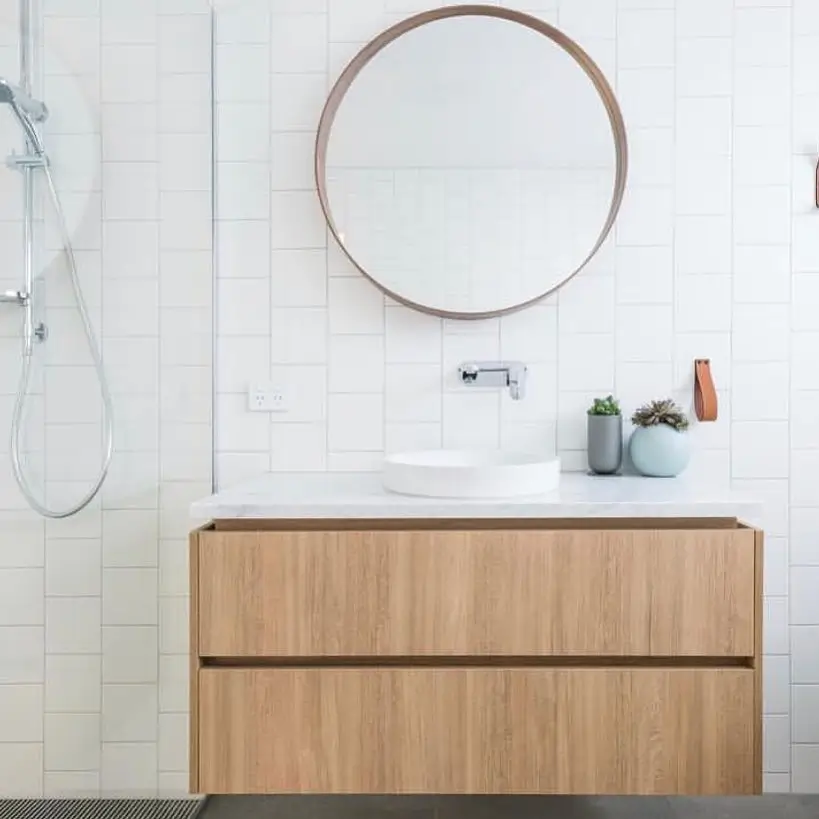
If you want your kitchen to feel warm right away, stop chasing the gleam.
Polished surfaces bounce light around in a way that feels sharp and cold. Textured surfaces do the opposite. They absorb light softly. They feel natural under your fingers. They make a room feel grounded.
In 2026, quartz manufacturers are leaning hard into this idea. Brands like Caesarstone offer “riven” finishes that mimic the look and feel of natural stone without the high maintenance. Neolith has textured surfaces that look like raw linen or weathered limestone.
What to look for: Matte finishes with visible movement. Skip the high-gloss marble look. Go for something that feels like it was pulled from a quarry, not a factory.
Key takeaway: Texture is warmth. Choose counters that feel natural to the touch.
2. Layered Lighting with a Vintage Edge
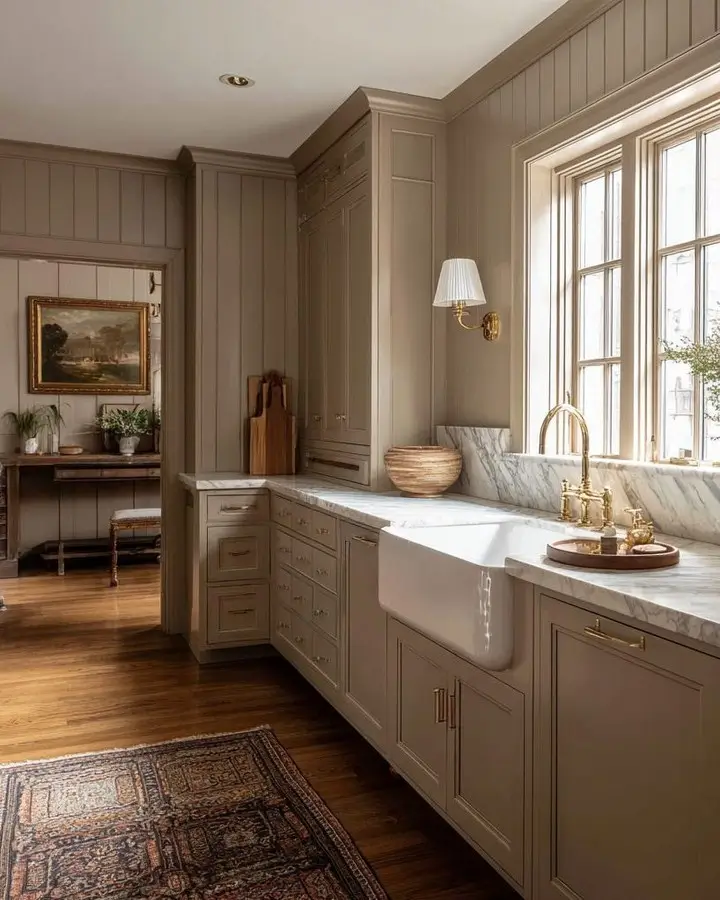
The fastest way to kill a farmhouse kitchen is a single flat light on the ceiling.
Great kitchens are lit like great living rooms. That means layers. You need three types of lighting working together.
Ambient lighting is your overall ceiling light. Use dimmers here. You rarely want it at full blast.
Task lighting goes under your cabinets. It helps you chop vegetables without casting shadows.
Accent lighting is where the personality lives. Think pendants over the island. Sconces flanking the range hood.
And here’s the trick: choose fixtures that will age well. Unlacquered brass pendants start bright but darken over time. That patina is the whole point. Brands like Schoolhouse Electric and Cedar & Moss make fixtures that look like they’ve been there for decades.
Pendant height: Hang them 30 to 36 inches above your island counter. Any higher and they lose their visual impact.
Key takeaway: Layer your light. Choose fixtures that get better with age.
3. The Return of the Apron Front (But Not White)
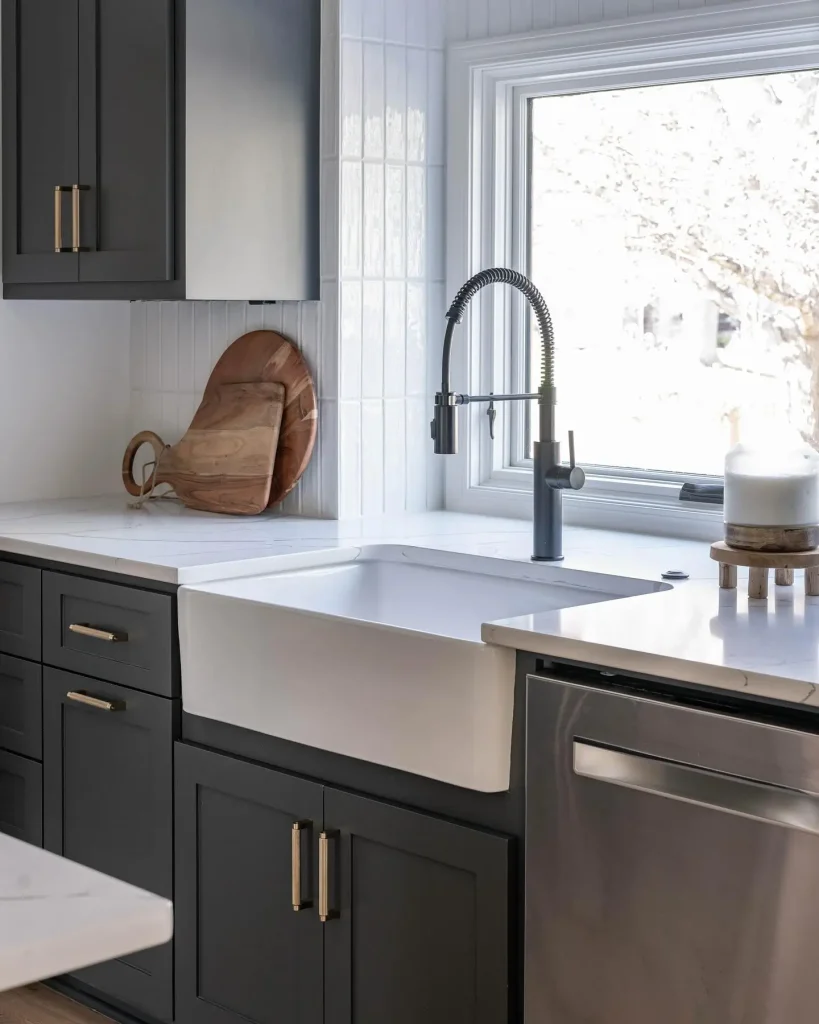
The apron front sink is a farmhouse icon. But the all-white porcelain version has become predictable.
The 2026 version is fireclay in warm, muted tones. Think “biscuit” instead of bright white. Think “soot” or “cream.” These colors feel softer. They hide water spots better. And they pair beautifully with butcher block or natural stone counters.
Kohler’s Whitehaven sink in Biscuit is a solid choice. Native Trail offers handmade fireclay sinks with subtle variations that add character.
Pro tip: Consider integrating your sink into a butcher block counter run. Let the counter flow right into the sink edge. It creates a seamless look that feels both practical and beautiful.
Key takeaway: Choose an apron sink in cream or soft grey, not stark white.
4. “Old World” Plaster Hoods
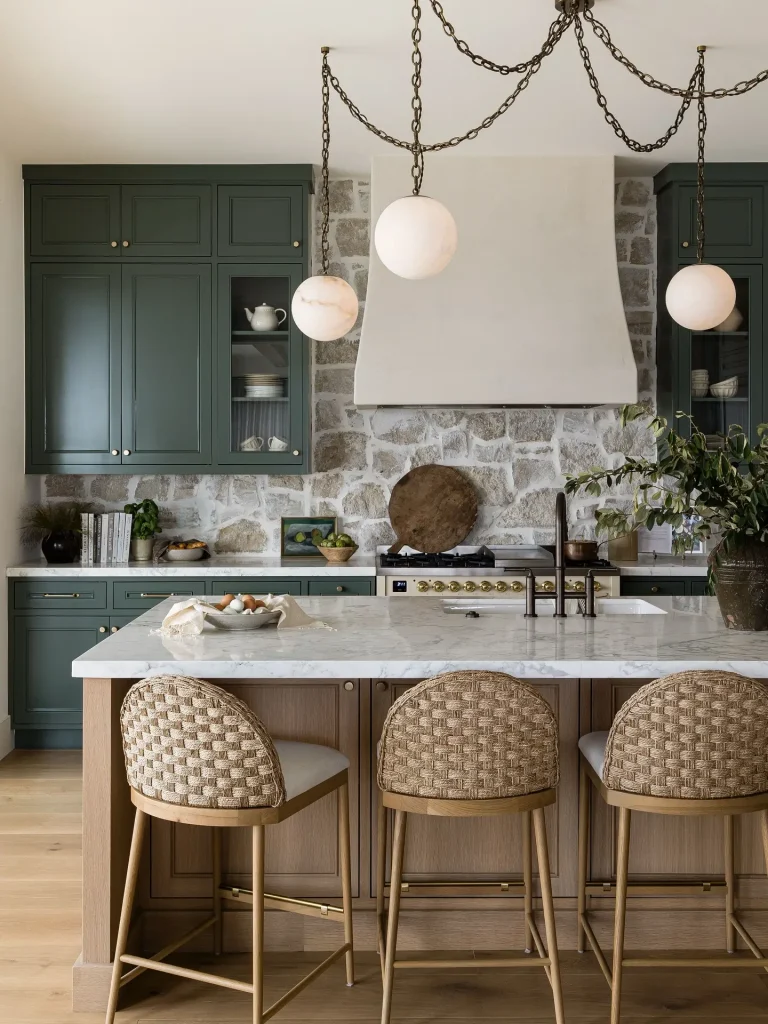
Stainless steel hoods have their place. But in a farmhouse kitchen? They often feel commercial. Like you stepped into a restaurant kitchen, not a home.
Plaster hoods fix that.
A Venetian plaster range hood adds architectural weight. It draws the eye up. It feels solid and intentional. And despite looking expensive, it’s a surprisingly DIY-friendly project. You can build a simple plywood frame and coat it with Venetian plaster from a company like Modern Masters.
The finish can be smooth or textured. You can tint it to match your walls or go for a contrasting neutral. Either way, it anchors the room.
Key takeaway: Replace a metal hood with plaster. It adds instant character and warmth
5. Open Shelving with Intentional Clutter
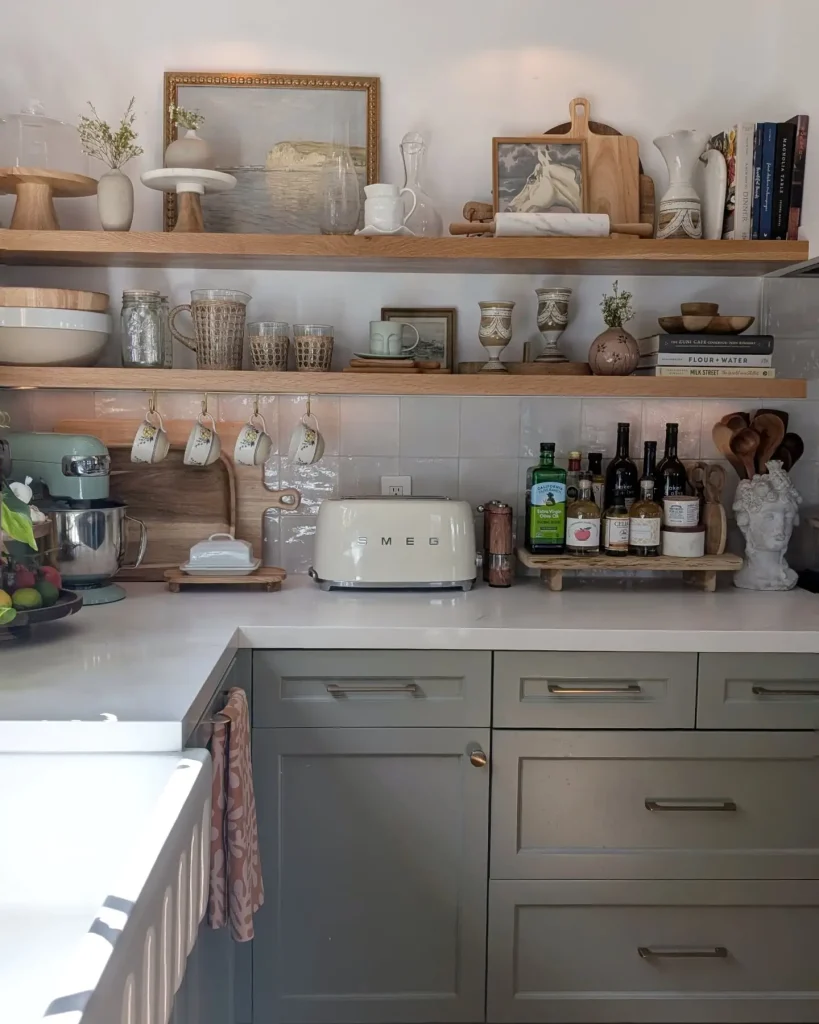
Open shelving is common in farmhouse kitchens. But too often, it looks staged. Three identical white plates. A single vase. It feels like a hotel room.
The warm version looks lived-in.
Mix heirloom pottery with your everyday dishes. Stack cookbooks horizontally. Let your olive oil bottle sit out. Display a mixing bowl you actually use.
The rule of thirds: Aim for two-thirds functional items (plates, bowls, glasses) and one-third decorative (a plant, a piece of art, a vintage find). This balance looks intentional without feeling stiff.
Key takeaway: Use open shelves to show what you actually use. Imperfection adds warmth.
6. Natural Wood Tones (Not Just White Oak)
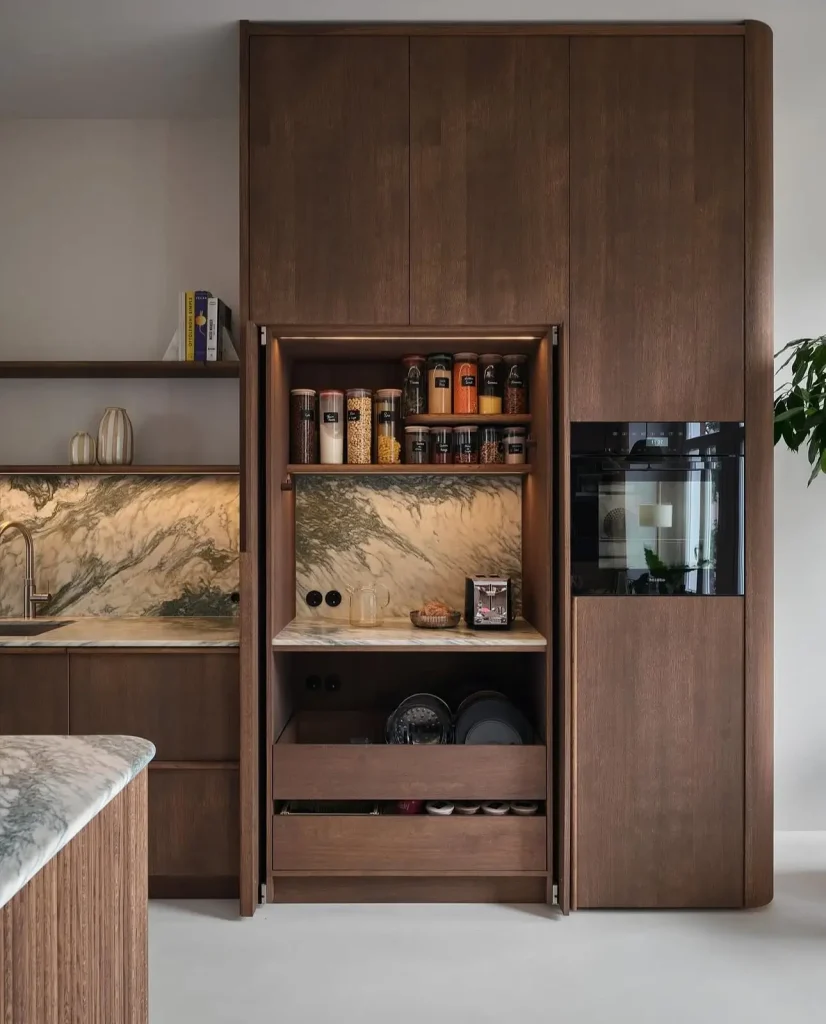
White oak has been everywhere for the last decade. It’s beautiful, but it’s not the only option.
Cherry wood darkens beautifully over time. Walnut adds richness. Reclaimed barn wood tells a story. Each brings a different kind of warmth to your kitchen.
Mixing wood tones: This is key. Your perimeter cabinets can be painted, while your island is walnut. Or your floors can be wide-plank oak while your ceiling is cedar. The contrast keeps things interesting.
And don’t stop at cabinets. Wood on the ceiling visually lowers the height and makes a large kitchen feel cozier. Wood beams, a wood plank ceiling, or even just a few floating shelves in a different species all add layers of warmth.
Key takeaway: Look beyond white oak. Mix wood tones for richness and depth.
7. Unlacquered Brass & Aged Bronze Hardware
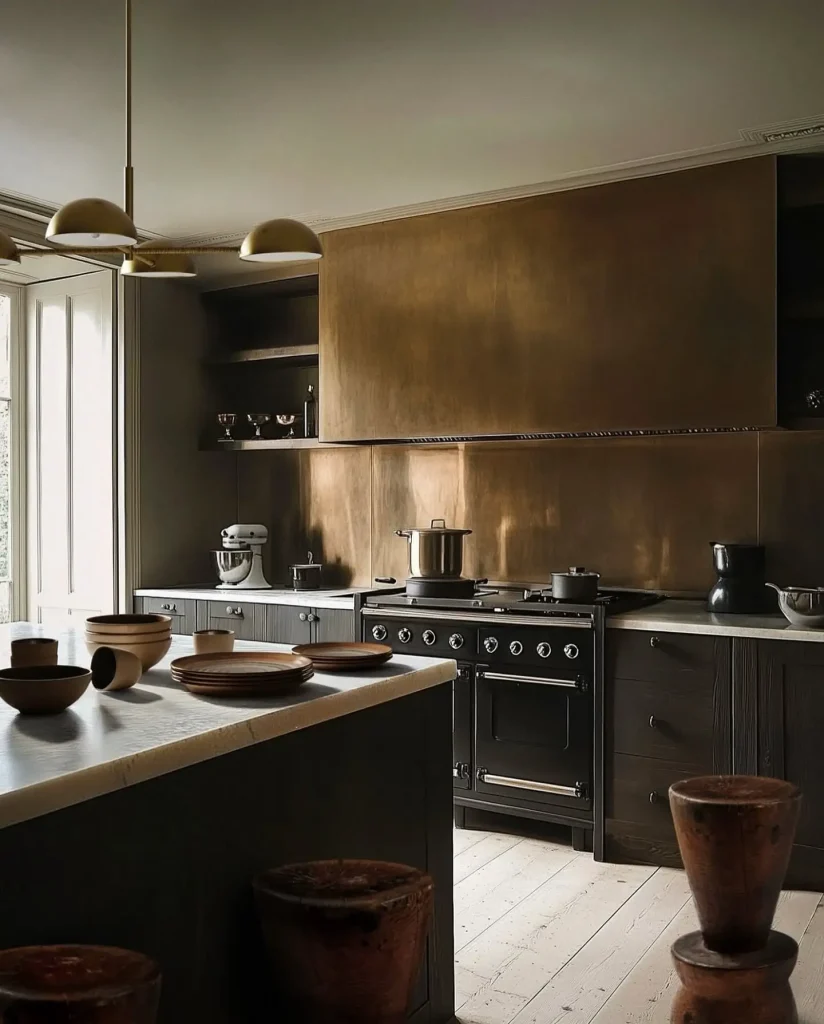
Hardware trends shift fast. A few years ago, everyone wanted matte black. Before that, satin nickel.
The timeless choice is hardware that changes over time.
Unlacquered brass starts bright and shiny. But as you touch it, it darkens. It develops a patina that tells the story of your kitchen. Aged bronze has a similar effect—it looks like it’s been there for generations.
You can mix metals here too. Use unlacquered brass on your cabinet pulls. Pair it with wrought iron light fixtures. The contrast feels collected, not matchy-matchy.
Key takeaway: Choose hardware with a “living” finish. Skip trends. Embrace patina.
8. The “Working” Pantry (Butler’s Pantry Evolution)
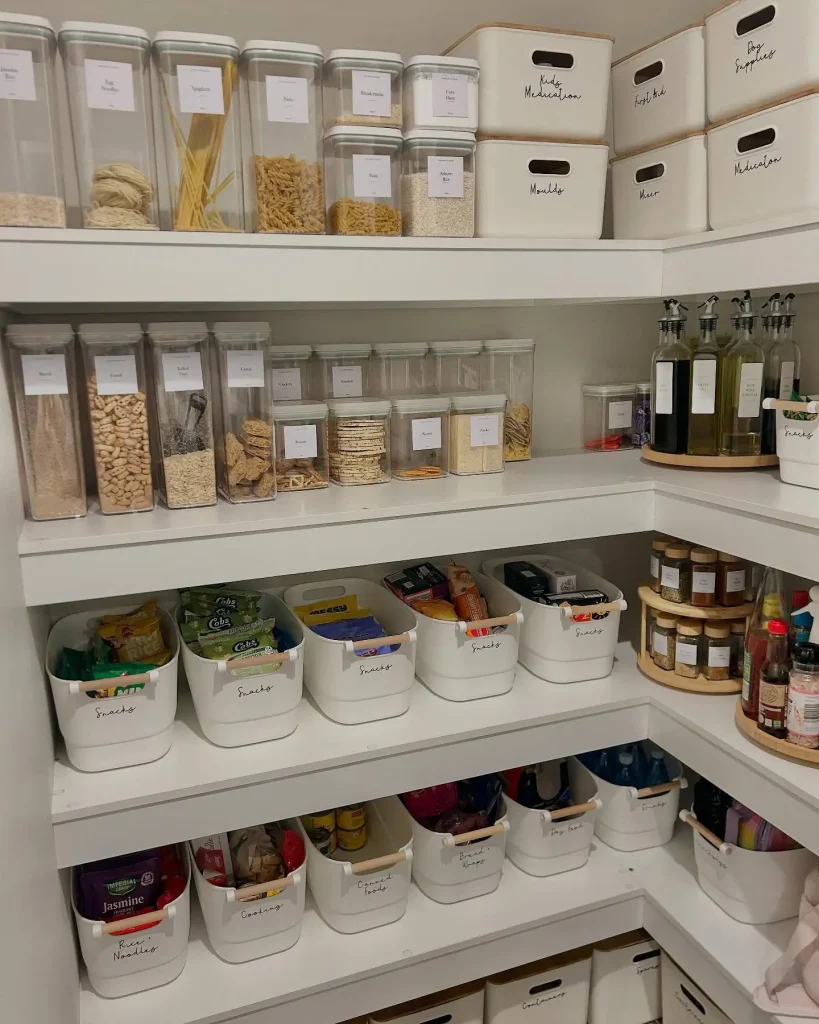
The butler’s pantry is having a moment. But the 2026 version isn’t just for show.
This is a working pantry. It hides the clutter so your main kitchen can breathe. Think of it as the engine room.
Second dishwashers are becoming common here. A prep sink too. You can store your stand mixer, air fryer, and coffee maker out of sight. When guests come over, the main kitchen stays calm and open.
If you have the space, add glass-front cabinets in the pantry. It lets you display your nice glassware or everyday dishes while keeping the main kitchen cabinets closed and simple.
Key takeaway: Use a butler’s pantry to hide appliances. Let your main kitchen feel like a living space
9. Patterned Cement or Terra Cotta Tile
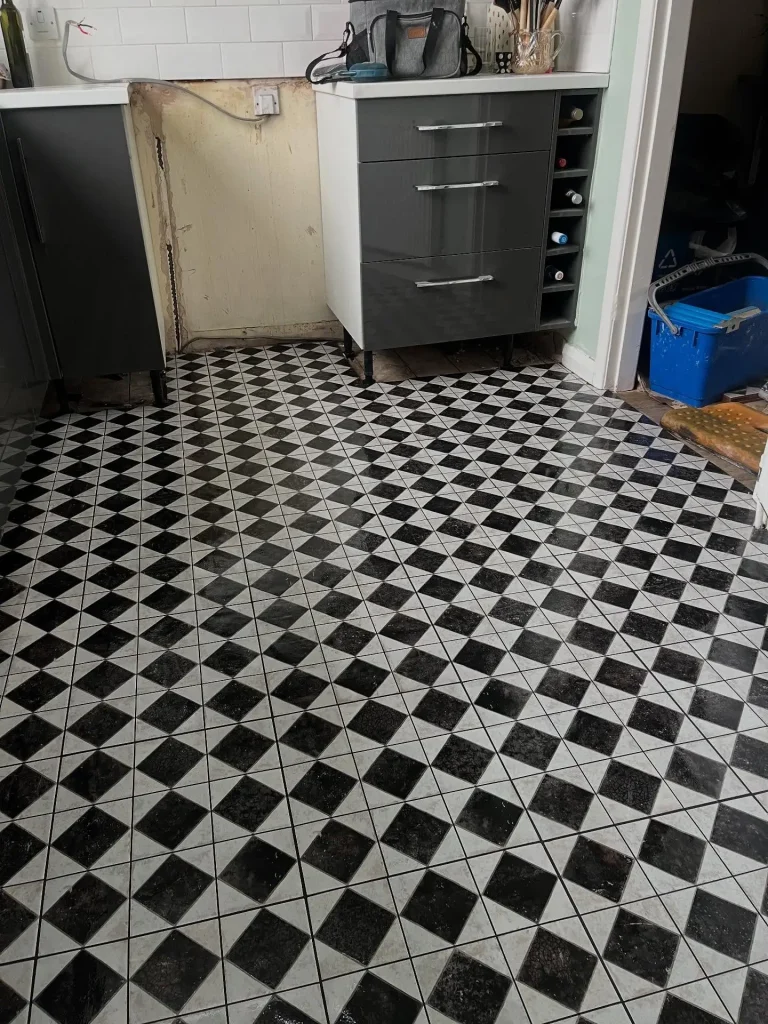
Flooring sets the entire mood of a kitchen. And for years, the default has been grey LVP or large-format porcelain. Both can feel cold underfoot.
The warm alternatives are encaustic cement tile and terra cotta.
Encaustic cement tile offers pattern and color. It works especially well in smaller kitchens or as a runner in front of the sink. It feels vintage in the best way.
Saltillo tile (Mexican terra cotta) brings warmth through its orange-brown tones. It’s soft underfoot and gets better with age. A coat of sealer keeps it low-maintenance.
Key takeaway: Skip grey floors. Choose patterned cement or terra cotta for natural warmth.
10. “Invisible” or Integrated Appliances
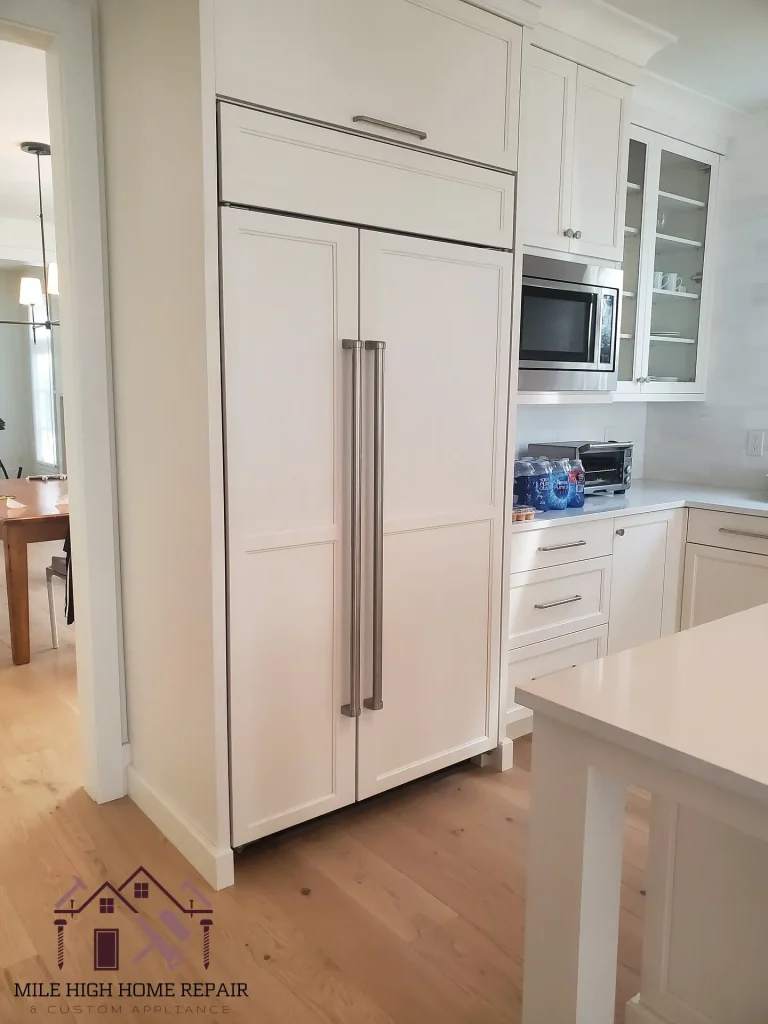
A kitchen filled with stainless steel appliances looks like an appliance showroom. That’s the opposite of warm.
Panel-ready appliances let your cabinetry dominate. Your dishwasher looks like a cabinet drawer. Your refrigerator blends into the wall. The result is a kitchen that feels like furniture, not machinery.
Most high-end brands offer panel-ready options. Bosch, Fisher & Paykel, and Sub-Zero all make models that accept custom cabinet fronts. The upfront cost is higher, but the visual payoff is significant.
Key takeaway: Hide your appliances behind cabinet panels. Let the cabinetry be the star.
11. Deep, Moody Accent Colors
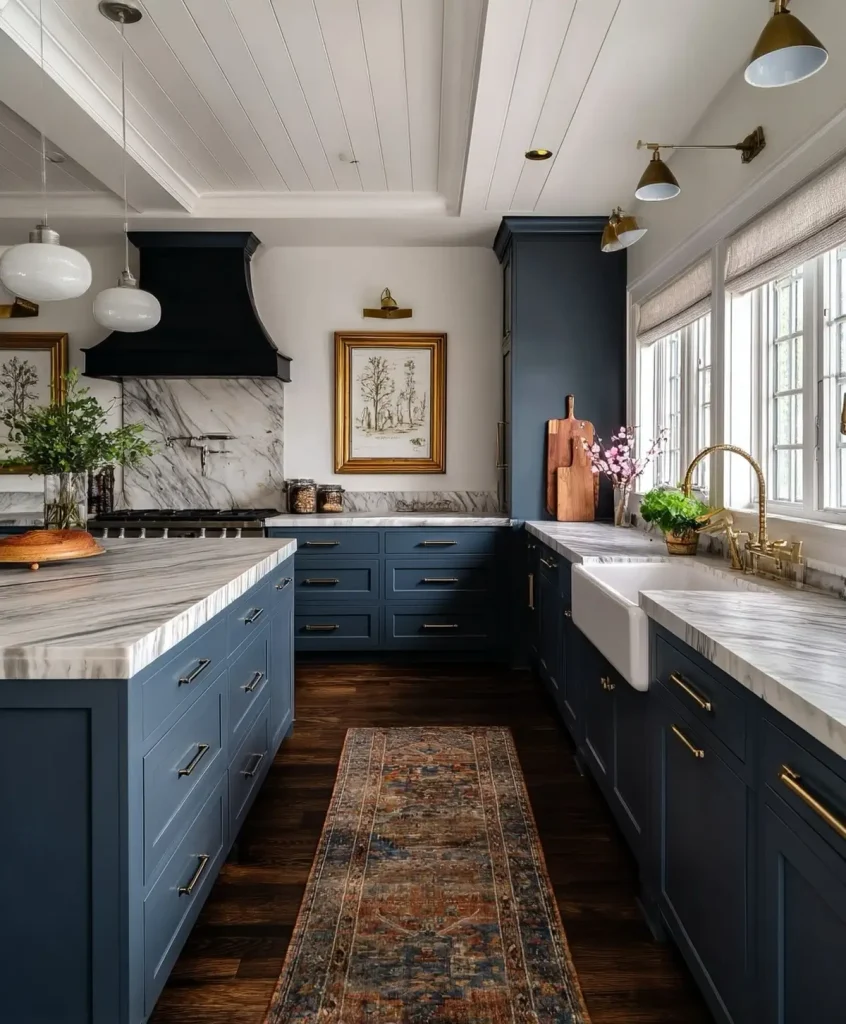
White kitchens are safe. But they’re rarely warm.
Adding a deep, moody color to your island or lower cabinets changes everything. Navy blue. Sage green. Charcoal. Even a dark terracotta. These colors absorb light and make a large space feel cozy and grounded.
The psychology: Dark colors visually recede. They make walls feel closer, which is why they work so well in open-concept homes. Your kitchen feels less like a warehouse and more like a room.
If you’re nervous about going dark, start with the island only. Leave the perimeter cabinets light. It’s a low-risk way to add drama.
Key takeaway: Add a deep accent color to your island or lower cabinets. It makes large kitchens feel cozier.
12. Handmade & Zellige Tile Backsplashes
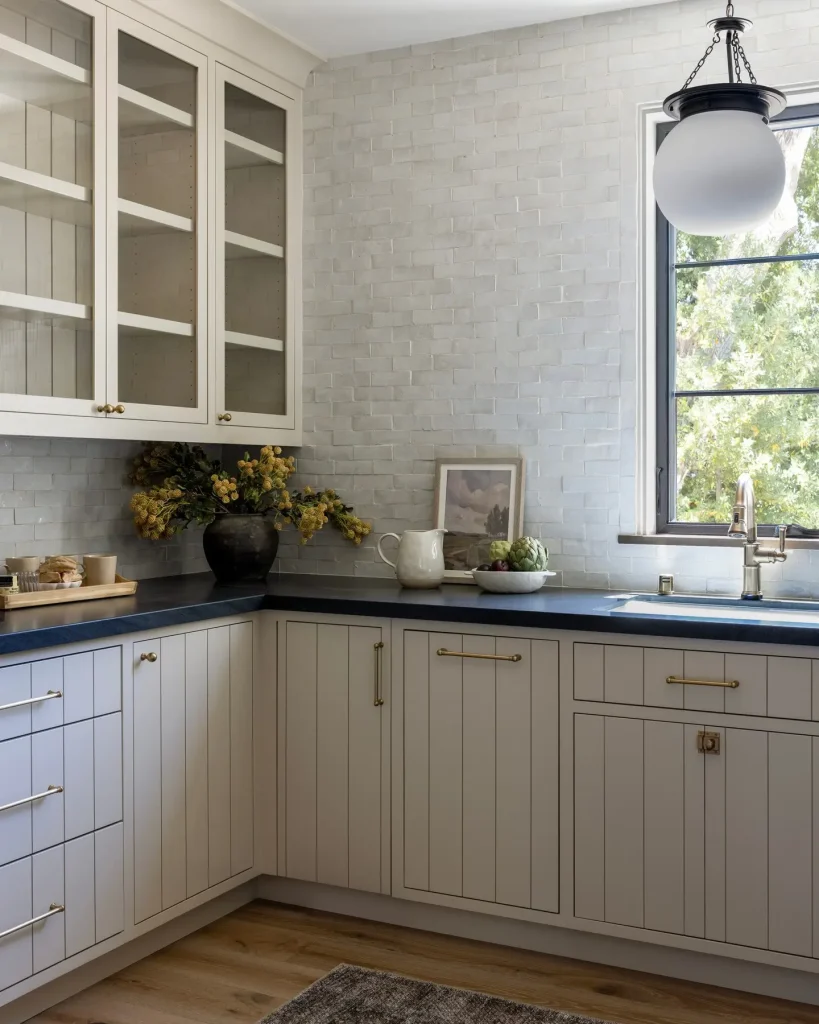
Subway tile has had a good run. But in 2026, the farmhouse kitchen is moving toward handmade tile.
Zellige tile is the standout. It’s a Moroccan clay tile with a glossy, irregular surface. Every piece is slightly different. The light hits each tile differently, creating movement and depth.
Artisan tile from local makers offers similar character. The small imperfections—a slightly uneven edge, a subtle color variation—are what make it feel human.
Where to use it: Behind the range, as a full backsplash, or even on a fireplace wall adjacent to the kitchen.
Key takeaway: Replace subway tile with handmade or zellige tile. Imperfection adds soul.
13. Beadboard & Shiplap Done Right
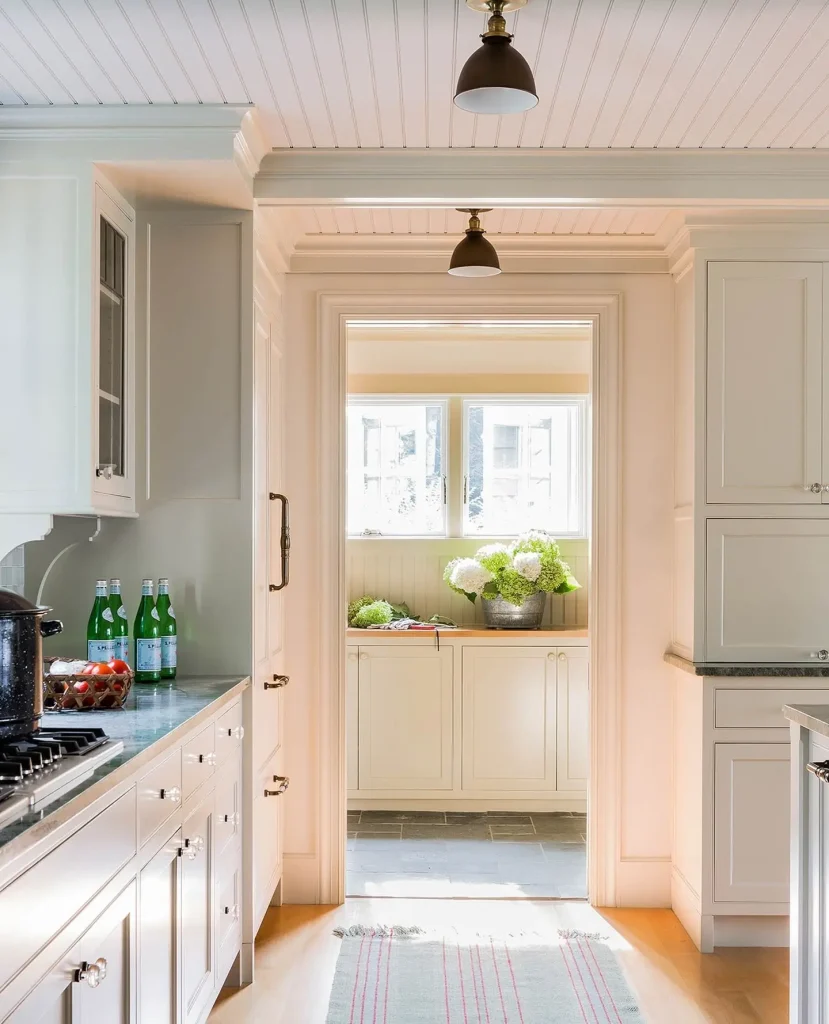
Shiplap became a cliché for a reason. It was everywhere. On every wall. In every room.
The timeless approach is restraint.
Use beadboard on the ceiling of a kitchen nook. Add it to the back of your island. Or install it on one wall as an accent, not four.
And consider scale. Wide-plank shiplap can feel like a TV set. Smaller-scale beadboard feels more authentic to actual farmhouses. It’s subtler and ages better.
Key takeaway: Use beadboard sparingly. One surface is enough. Let the other elements shine.
14. Furniture-Style Islands
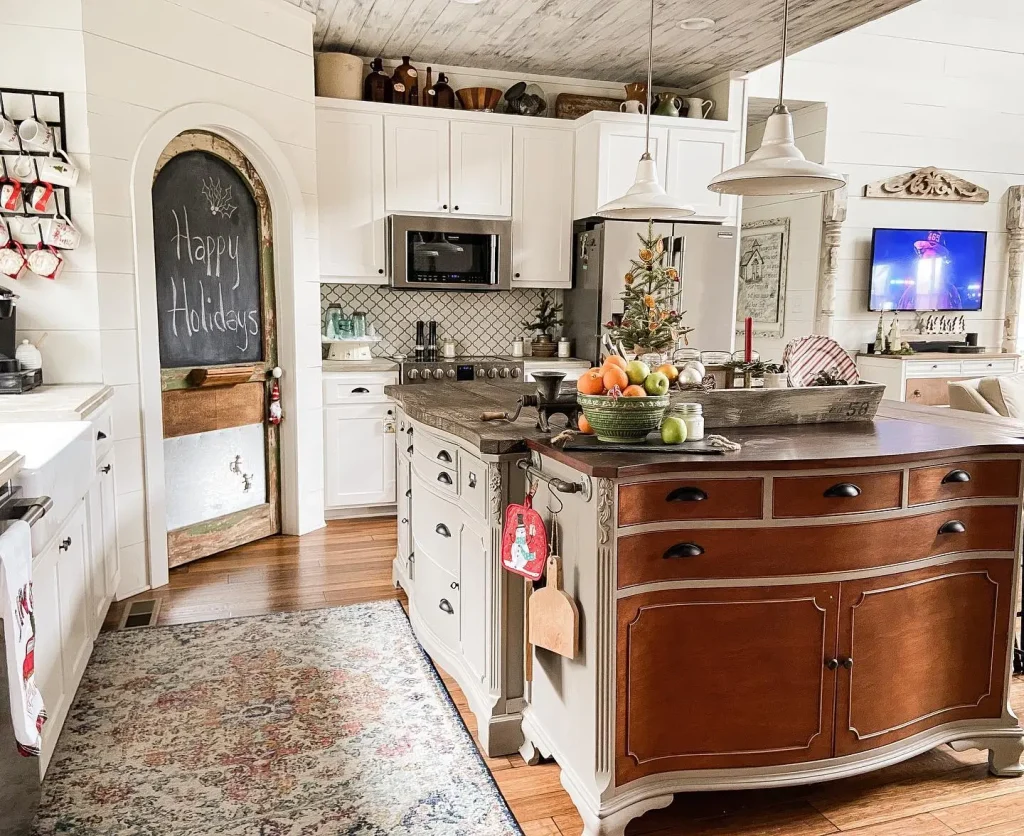
Most kitchen islands look like boxes. A cabinet base with a counter on top. Functional, but not warm.
Furniture-style islands look different. They have legs instead of a solid base. They often have a contrasting stain or paint color. Some even have breadboard ends—a detail borrowed from farmhouse tables.
This style makes your kitchen feel less like a room of cabinets and more like a room of furniture. It’s softer. More inviting.
If you’re on a budget, you can even repurpose an old farmhouse table as an island. Add a butcher block top and call it done.
Key takeaway: Choose an island with legs and furniture details. It feels less like cabinetry and more like a room.
15. Pot Fillers (Still Relevant)
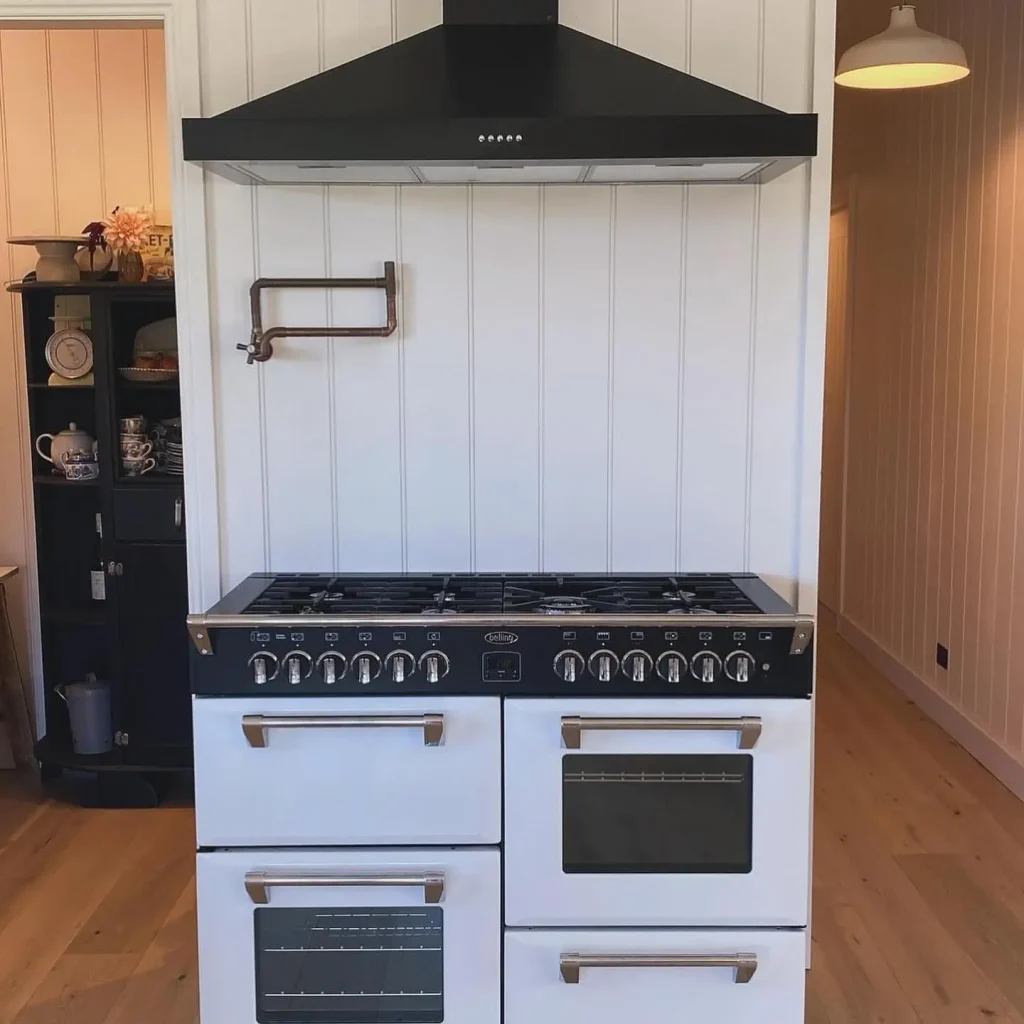
Pot fillers had their moment a few years ago. Then people called them impractical. Too expensive. Unnecessary.
But in 2026, they’re coming back—especially with induction cooktops.
When your cooktop is flush with the counter and easy to clean, a pot filler makes sense. It saves you from carrying heavy pots of water across the kitchen. And when it’s finished in unlacquered brass or copper, it becomes a visual feature.
Place it above the range. Make sure it folds in when not in use. And choose one with simple lines—nothing too ornate.
Key takeaway: A pot filler in a warm metal finish adds function and style. Especially with induction cooktops.
16. Exposed Beams (Structural vs. Faux)
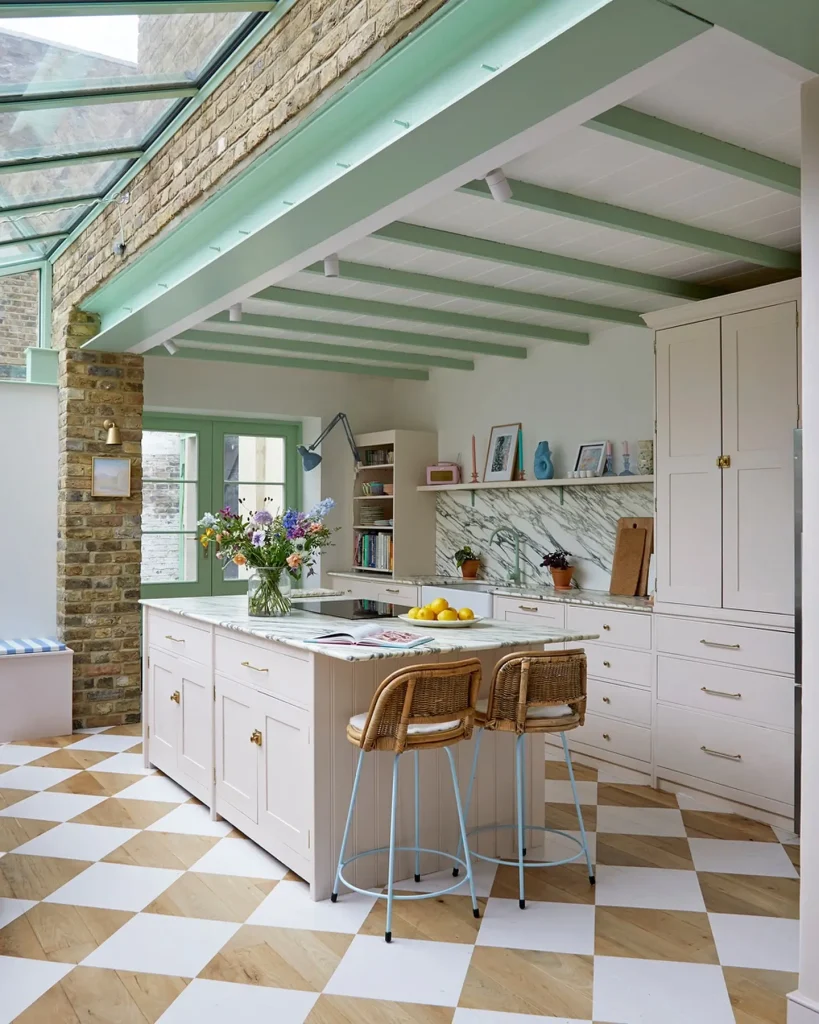
Beams on the ceiling do two things. They add visual warmth. And they define space in an open floor plan.
If your home has structural beams, expose them. Sand them down. Stain them to match your floors or go a shade darker for contrast.
If you don’t have structural beams, faux beams are a solid option. Companies like FauxWoodBeams make lightweight polyurethane beams that look real. Distress them with sandpaper and stain them by hand to avoid that perfect, manufactured look.
Use beams to mark the boundary between your kitchen and living area. It creates a visual separation without adding walls.
Key takeaway: Add beams to the ceiling. They warm up the space and define zones in open floor plans.
17. Warm Metals in Plumbing
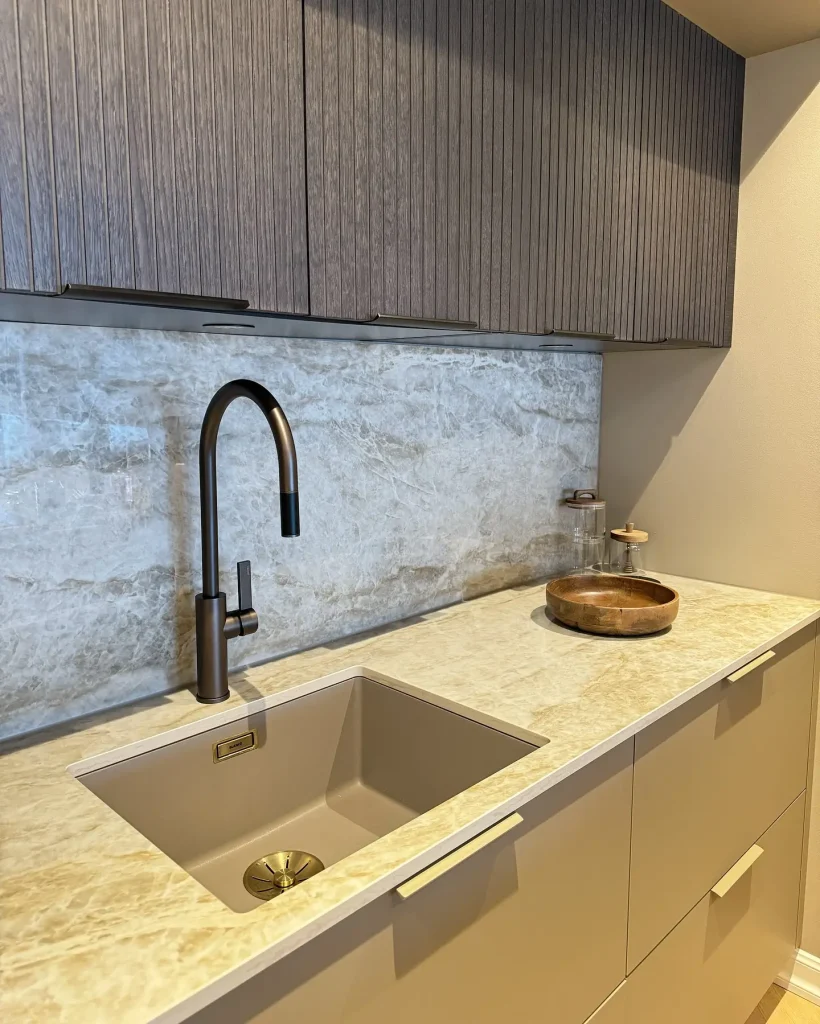
Your faucet is the jewelry of your kitchen. And in a warm farmhouse kitchen, it shouldn’t be chrome.
Bridge faucets in unlacquered brass are a classic choice. The exposed coil and two-handle design feel vintage without being fussy.
Copper and bronze are also coming back. These metals have natural warmth that no polished finish can match.
Mixing with your sink: If you have a fireclay sink in cream, go for a darker bronze faucet for contrast. If your sink is stainless steel, unlacquered brass adds warmth against the cool metal.
Key takeaway: Choose a bridge faucet in unlacquered brass, copper, or bronze. Skip chrome.
18. Smart Storage for a “Clean” Aesthetic
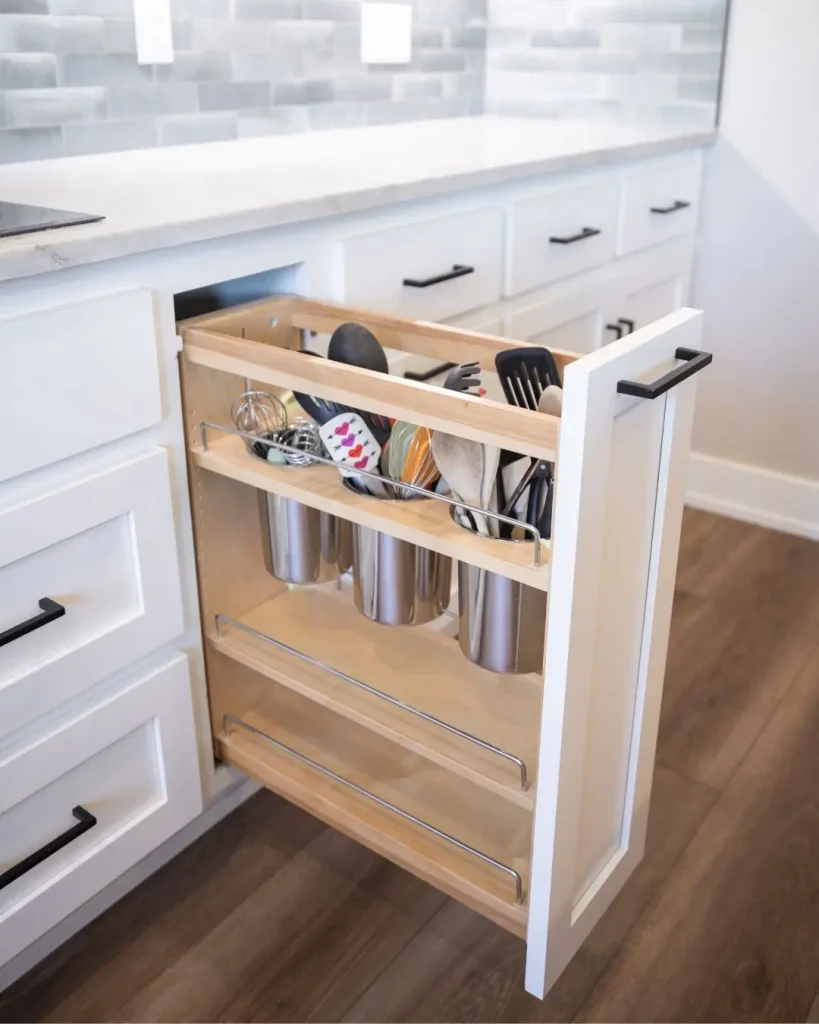
Here’s a truth about warm kitchens: they don’t feel warm when they’re cluttered.
The most inviting farmhouse kitchens are actually pretty minimalist. But not the cold kind of minimalist. The kind where everything has a place.
Deep drawers for pots and pans. Pull-out spice racks next to the range. Vertical dividers for baking sheets. These storage solutions keep your counters clear so the timeless elements—the wood, the texture, the vintage touches—can stand out.
When your kitchen is organized, you can leave a few things out intentionally. A wooden cutting board. A ceramic bowl of lemons. That feels warm. A counter full of clutter feels stressful.
Key takeaway: Invest in smart storage so your counters stay clear. Let the design breathe.
Bring It All Together
A timeless farmhouse kitchen isn’t built on trends. It’s built on texture, natural materials, and architectural integrity. It feels collected, not decorated. Warm, not sterile.
You don’t need to use all 18 ideas. Pick the three to five that make sense for your home and your budget. Maybe that means swapping your hardware for unlacquered brass. Maybe it means adding a plaster hood. Maybe it’s as simple as switching your lighting to something with vintage character.
Start small. See how it feels. And remember: the goal isn’t a kitchen that looks like a catalog. It’s a kitchen that feels like home.
By focusing on these 18 timeless farmhouse kitchen ideas, you’ll create a space that stays warm and inviting for decades to come.

- 17 Classy Living Room Ideas for a Cozy Elegant Look - April 23, 2026
- 16 Dark Moody Living Room Ideas That Feel Rich and Warm - April 22, 2026
- 14 Elegant Bedroom Trends for 2026 You’ll Love - April 22, 2026