
Introduction
Minimalism isn’t just about empty spaces and clean lines—it’s about creating a home that feels calm, functional, and personal. But here’s the problem: many minimalist homes end up feeling cold and uninviting. You might walk into a room that looks perfect in a magazine, yet it feels more like a showroom than a home. That emptiness can make you miss the warmth and comfort that a lived-in space should have.
This guide will show you how to fix that. You’ll learn how to bring warmth, personality, and comfort into your minimalist home without cluttering it or losing its clean, simple lines. From choosing the right colors and textures to adding personal touches and natural elements, every tip is designed to make your home feel welcoming and lived-in. By the end, your minimalist home will feel like more than a design style—it will feel like your home.
1. Start with a Warm Color Palette
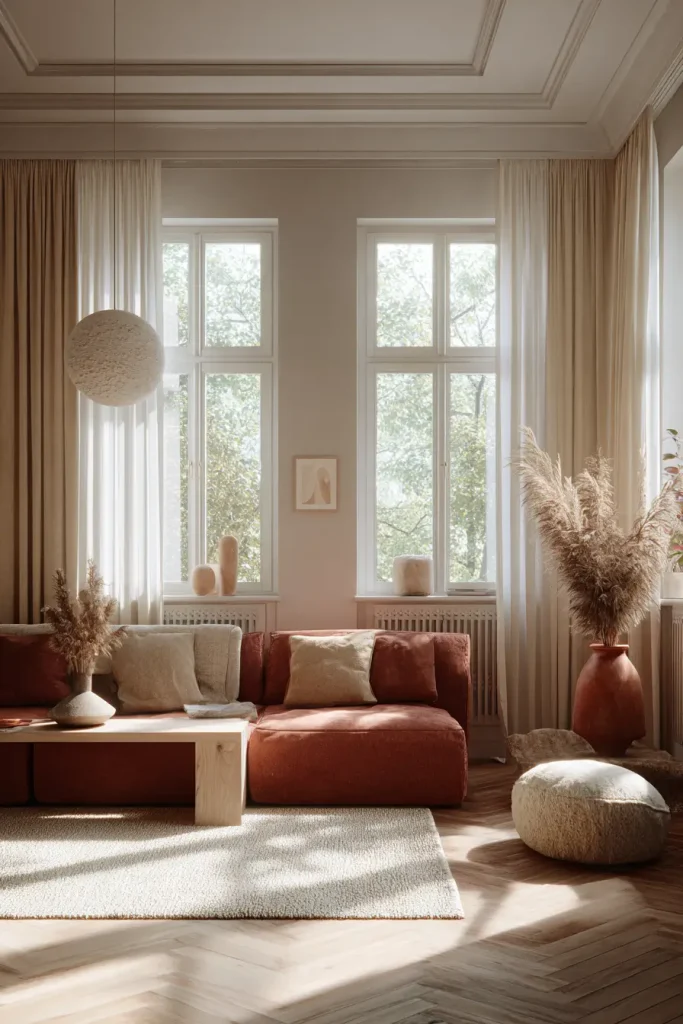
Your color choices set the mood for every room. Minimalist spaces often use stark white walls, but that can make a home feel cold and empty. To make your minimalist home feel warm, start with soft neutrals instead. Creamy whites, pale beiges, and soft greys create a calm backdrop while still feeling inviting.
Next, add muted earth tones like terracotta, soft browns, or warm taupes. These shades bring life to the space without breaking the simplicity that defines minimalism. You don’t need to paint every wall—small accents, like a beige sofa or terracotta vase, can make a big difference. Scandinavian minimalist homes often use pale wood combined with beige accents, creating a space that feels bright yet cozy.
Accent colors should be used sparingly. Choose one or two warm tones and repeat them through textiles, decor, or furniture. A wooden coffee table, a soft wool rug, or linen curtains in warm shades will help your minimalist home feel lived-in. Avoid bright, harsh colors that compete with the calm mood.
Soft color palettes do more than look nice. They make rooms feel approachable, comfortable, and personal. A warm minimalist decor approach doesn’t fight minimalism—it enhances it. By layering subtle tones, you create depth and richness that makes your home feel like a cozy minimalist interior rather than a sterile showroom.
2. Layer Textures for Comfort
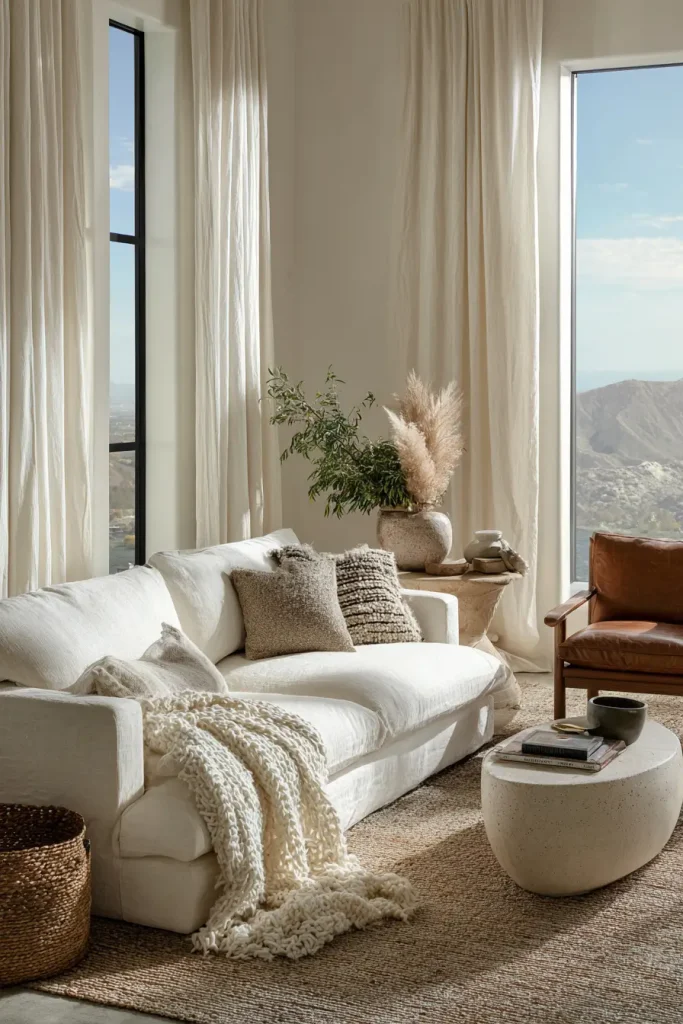
A minimalist room can look beautiful but still feel flat if it’s all smooth surfaces and clean lines. That’s why layering textures is so important. Textures add depth, warmth, and a sense of life to a room, turning it from a display space into a lived-in minimalist home.
Start with textiles. Soft wool throws, linen curtains, and cotton cushions create visual interest and make a space feel touchable. A white minimalist sofa can look cold on its own, but add a chunky knit throw and a jute rug, and suddenly the room feels cozy and inviting. Layering different textures ensures that even a simple room feels warm and personal.
Don’t stop at textiles. Natural materials like wood, stone, and leather bring a tactile quality that enhances comfort. A wooden side table, leather chair, or stone vase creates small points of warmth without cluttering the space. Even small details, like a woven basket or a linen table runner, can make a noticeable difference.
When layering textures, balance is key. Too many competing textures can overwhelm a minimalist interior. Stick to 2–3 textures per space, repeating them in multiple areas to unify the room. For example, a wool throw on the sofa can echo a wool cushion in another corner.
By thoughtfully layering textures, you transform a minimalist home into a cozy minimalist interior. Each element interacts with the others, creating a room that feels rich, lived-in, and welcoming without losing its clean lines.
3. Personalize with Meaningful Decor
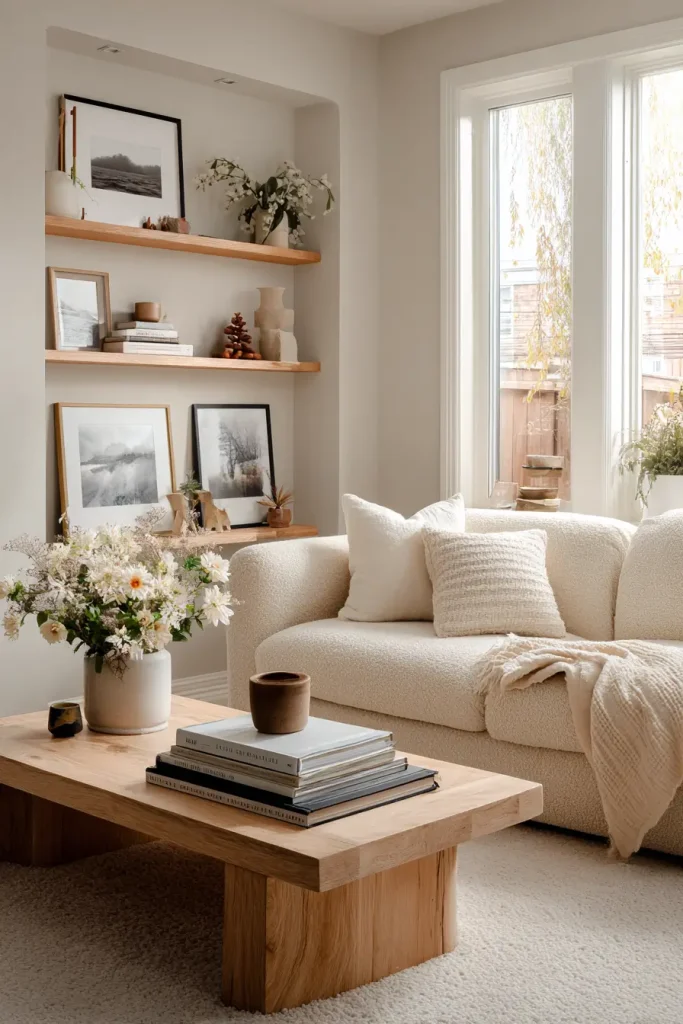
Minimalism doesn’t mean removing everything personal from your home. In fact, a home that feels truly lived-in always reflects the people who live there. Adding meaningful decor ensures your minimalist home feels personal, warm, and inviting.
Start with artwork, photographs, or objects that tell a story. A framed photo from a favorite trip, a small sculpture, or even a handcrafted bowl can make a room feel lived-in. Studies show that personal objects increase feelings of home comfort by 40%, so it’s worth choosing a few pieces that truly matter.
Keep your decor intentional. Minimalism isn’t about filling every surface—it’s about selecting what adds meaning. Limit yourself to a few well-placed items. Floating shelves, minimal picture frames, or a single statement object keeps the space uncluttered while still showing personality.
Think about subtle displays. A small stack of books on a wooden coffee table, a vase with fresh flowers, or a tray of candles adds character without crowding the room. Each item should enhance warmth and contribute to the cozy minimalist interior you’re building.
By personalizing your home with meaningful decor, you create a space that tells your story. A lived-in minimalist home doesn’t feel empty—it feels welcoming, comfortable, and authentic.
4. Smart Furniture Choices for Minimalist Warmth
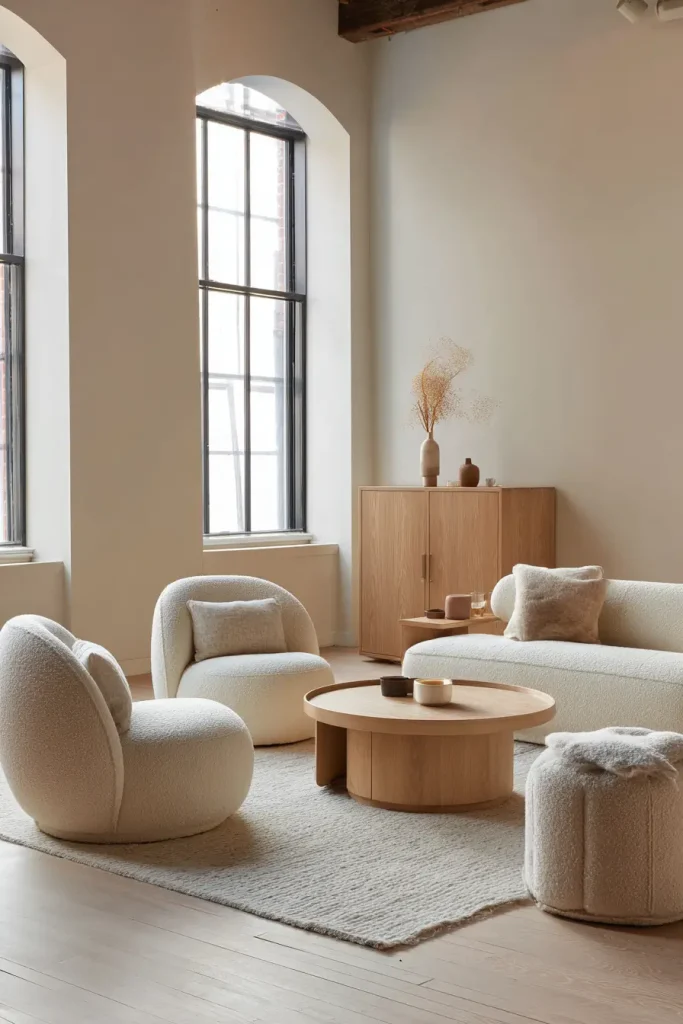
Furniture is one of the biggest ways to make a minimalist home feel warm and inviting. The wrong pieces can make a room feel cold and impersonal, while thoughtful choices create comfort and function at the same time.
Start with material. Wooden furniture or warm-toned metals bring natural warmth to a room. Even a simple wooden coffee table or sideboard instantly softens the space. Furniture with soft curves also feels more approachable than pieces with sharp edges. Rounded dining chairs or an arched armchair creates a welcoming vibe.
Multi-functional furniture keeps the space uncluttered while adding comfort. Think of an ottoman with hidden storage or a sofa bed that doubles as a lounge. These pieces maintain minimalism while supporting a lived-in home feel.
Example: A minimalist dining room with a simple wooden table and upholstered chairs feels inviting without being fussy. The warmth of the wood and the softness of the chairs encourage people to linger, eat, and enjoy the space.
When selecting furniture, prioritize quality over quantity. A few well-chosen pieces create impact without overwhelming the room. Warm minimalist decor doesn’t rely on filling the space—it relies on balance, comfort, and texture.
5. Add Natural Elements and Greenery
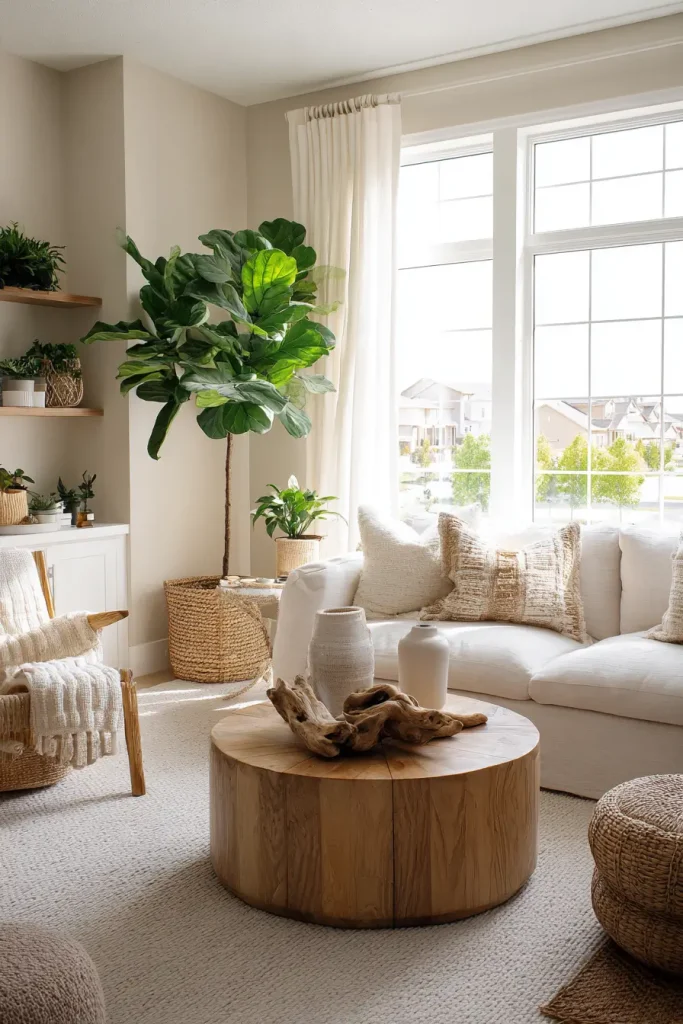
Nothing warms a minimalist space more than nature. Houseplants, natural light, and organic materials instantly make a room feel alive. Minimalism doesn’t have to be sterile when you bring life inside.
Start with plants. A single fiddle leaf fig can transform a blank corner into a lively focal point. Smaller plants like snake plants or pothos work well on shelves or tables. Plants not only add color but also improve air quality and create a sense of calm.
Natural light is equally important. Large windows, sheer curtains, or mirrors that reflect sunlight make rooms feel bright and inviting. A well-lit space instantly feels warmer, even without extra furniture or decor.
Add natural materials like branches, dried flowers, or wooden accents to tie the room together. A small driftwood sculpture, woven basket, or clay vase keeps the space simple but grounded.
By layering natural elements throughout your home, you achieve a cozy minimalist interior that feels organic and lived-in. Even minimal touches of nature make a huge difference in warmth and comfort.
6. Layer Lighting for Atmosphere
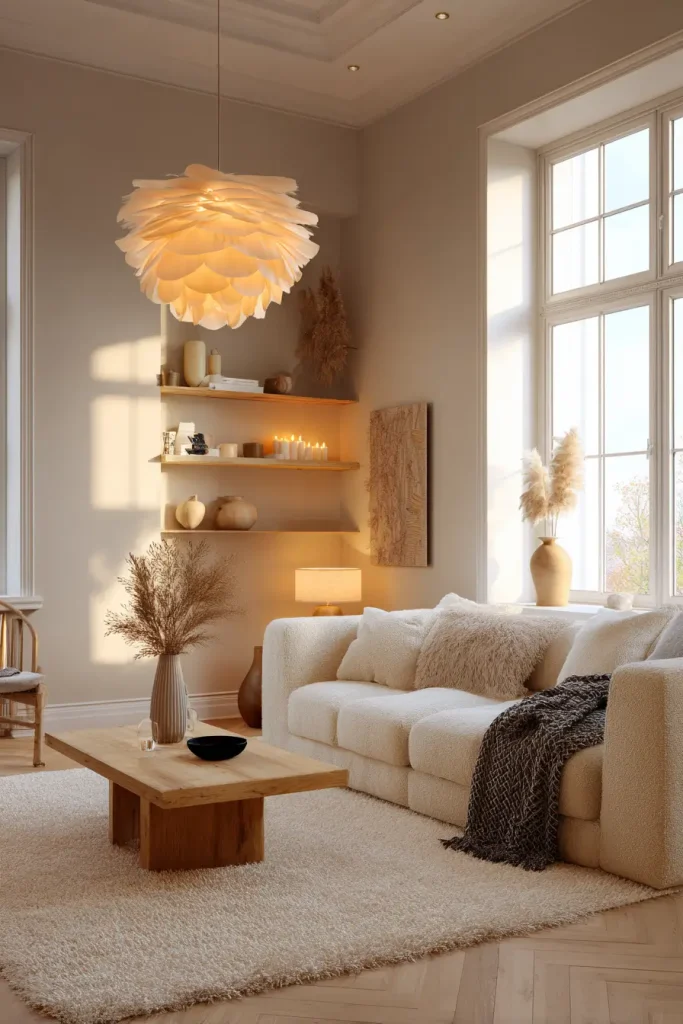
Lighting can make or break a minimalist home. Bright overhead lights alone often make spaces feel cold and harsh. To create warmth, layer your lighting to include ambient, task, and accent options.
Use warm LED bulbs in lamps and overhead fixtures to create a soft glow. Candles, fairy lights, or table lamps add another layer of warmth. The goal is to create pockets of light that feel inviting rather than uniform.
Example: Scandinavian minimalist homes often combine table lamps, pendant lights, and natural light. Each layer has a purpose—ambient for general lighting, task for reading or cooking, and accent to highlight decor.
Think about placement. Position lamps near seating areas, use sconces to highlight artwork, or place candles on shelves for gentle lighting. Layered lighting creates depth, making your home feel both functional and cozy.
By focusing on warmth and layering, lighting transforms a minimalist home into a space where people actually want to linger.
7. Keep it Simple but Functional
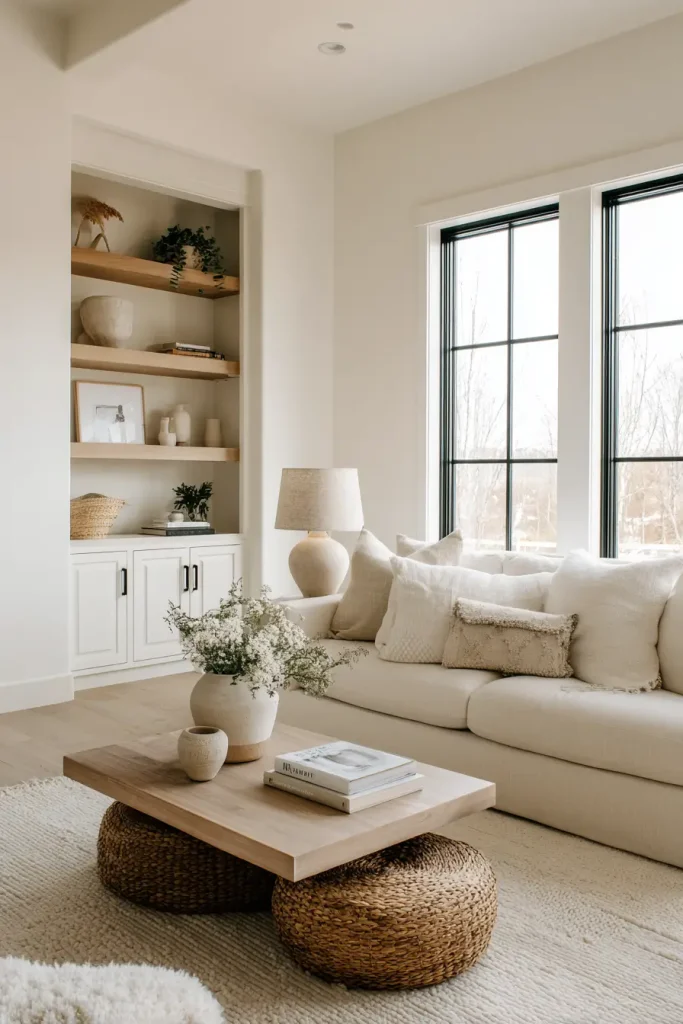
Minimalism works best when it’s purposeful. A lived-in minimalist home isn’t about empty rooms—it’s about keeping essentials accessible while reducing clutter.
Declutter regularly, but keep items you use daily within reach. Smart storage solutions—like baskets, closed cabinets, and hidden drawers—help maintain minimalism while supporting comfort. A minimalist kitchen with open shelves for display and closed cabinets for hidden clutter achieves balance.
Functionality also adds warmth. Spaces that feel usable and comfortable naturally feel lived-in. Multi-purpose rooms, flexible furniture, and thoughtful layouts make daily life easier and more enjoyable.
Minimalism with function ensures that every room feels inviting rather than sterile. You can maintain clean lines while creating a cozy minimalist interior that encourages people to live, relax, and enjoy their space.
Conclusion
Creating a minimalist home that feels warm doesn’t mean abandoning simplicity. By combining a soft, inviting color palette, layered textures, personal decor, thoughtful furniture, natural elements, and layered lighting, you can transform a minimalist space into a cozy, lived-in home. Functional design ensures every piece has a purpose while maintaining calm, clean lines.
Start small: pick one room and try layering textures, adding warm accents, or incorporating a few personal touches today. Even minor changes can make a big difference in how your home feels. Your minimalist home can be both simple and inviting—a space where you enjoy spending time, relaxing, and living fully.

- 17 Classy Living Room Ideas for a Cozy Elegant Look - April 23, 2026
- 16 Dark Moody Living Room Ideas That Feel Rich and Warm - April 22, 2026
- 14 Elegant Bedroom Trends for 2026 You’ll Love - April 22, 2026
