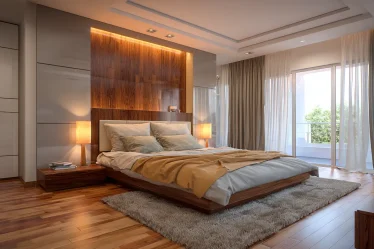
Introduction
Bedrooms above garages often feel uncomfortable for a reason. The ceiling slopes, the walls are uneven, and the layout does not follow a normal square shape. This makes furniture placement harder and wastes usable space.
These rooms also have another issue. They are often hotter in summer and colder in winter because of poor insulation from the garage below. That affects sleep quality and comfort.
The good news is simple. You do not need to rebuild the space. You just need to use the shape correctly instead of fighting it.
1. Place the Bed in the Tallest Area
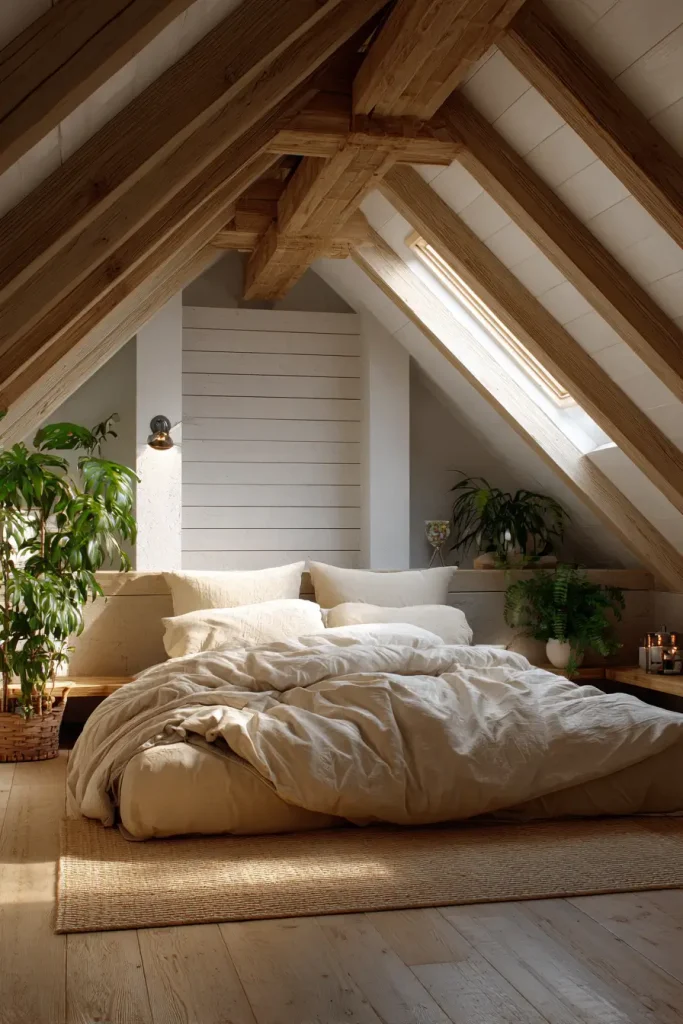
The highest ceiling point should always be used for your bed. This is the area where you sit, stand, and move the most. If you place the bed under a low slope, you will feel cramped every day.
Interior designers often recommend at least 30 to 36 inches of head clearance above the mattress for comfortable sitting. If your ceiling is lower than that, it will feel tight very quickly.
Placing the bed in the tallest section improves comfort and also makes the room feel more open.
2. Use Low Profile Furniture
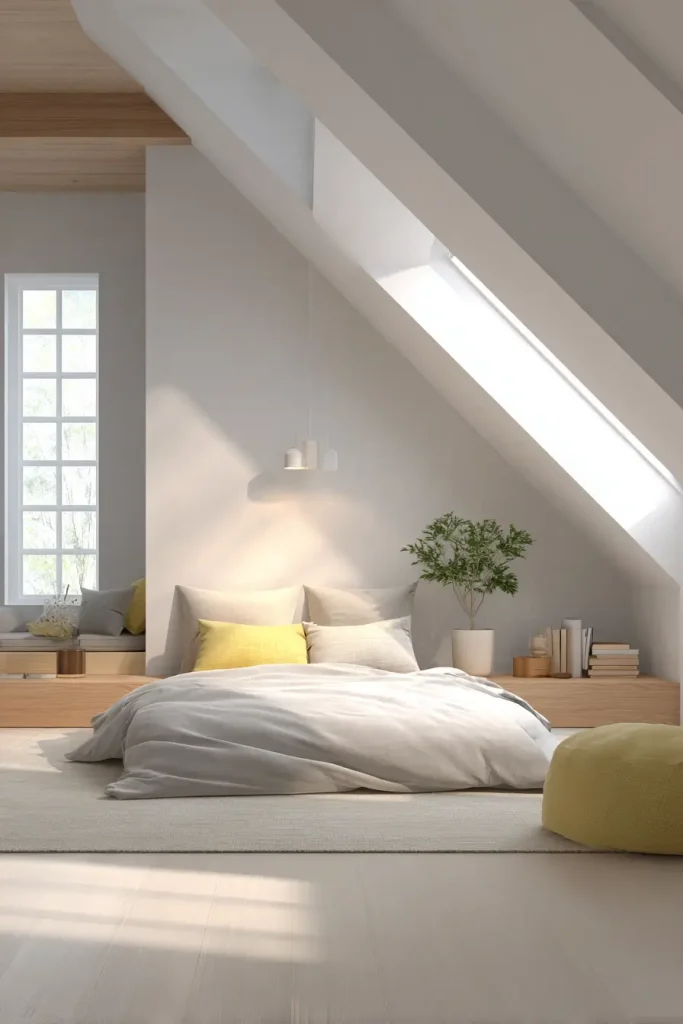
Tall furniture makes a room with sloped ceilings feel smaller. It visually cuts the space and makes the ceiling look even lower.
Low profile beds, usually 10 to 14 inches high, work best in these rooms. Short dressers and compact tables also help maintain visual balance.
This idea works because your eye reads the space from floor to ceiling. Lower furniture creates the illusion of more height.
3. Turn Sloped Walls Into Storage
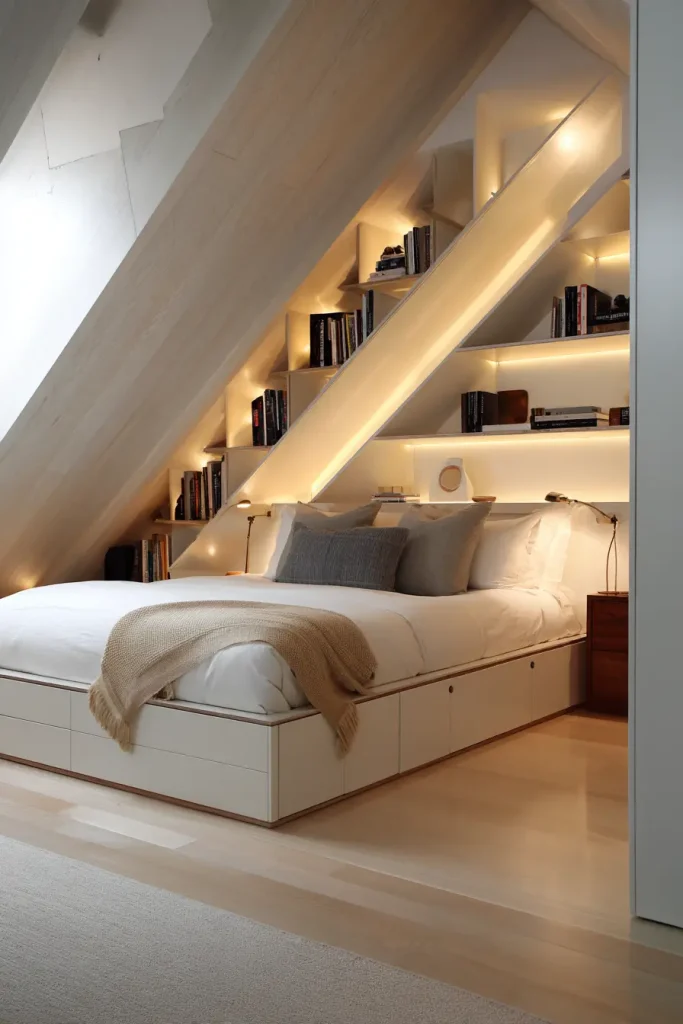
Sloped walls are often wasted, but they can be used for storage very effectively. Instead of leaving them empty, you can install built in drawers, shelves, or cabinets.
Custom storage in these areas can increase usable space by up to 20 to 30 percent compared to standard layouts.
This is one of the most practical solutions because it turns a problem area into a functional one.
4. Use Light Colors to Open the Room
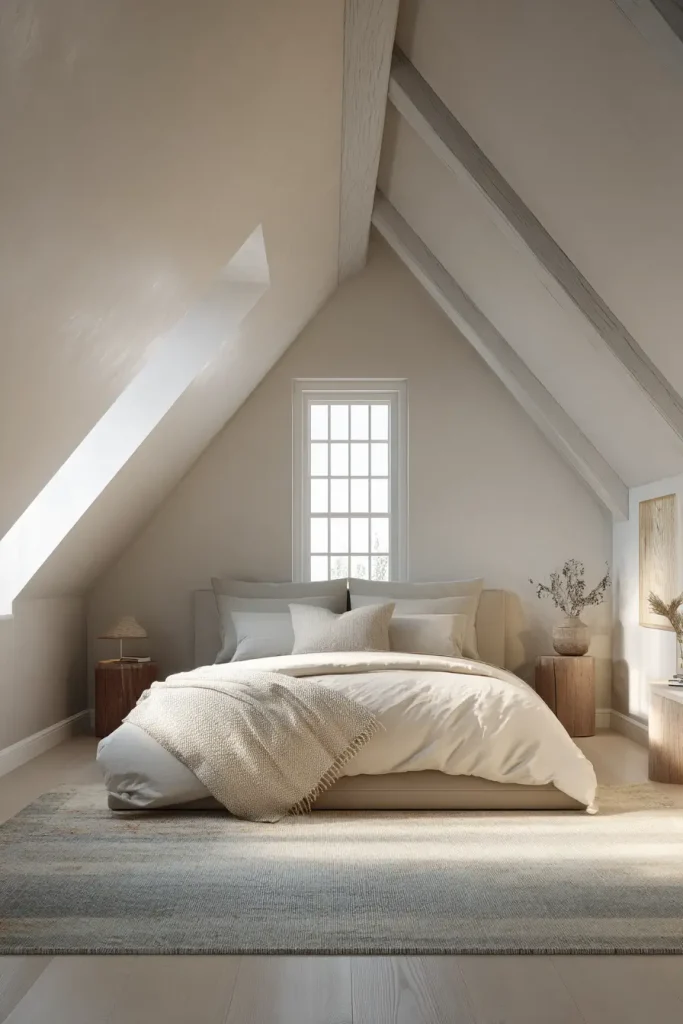
Color has a strong effect on how big or small a room feels. Light colors reflect more light, which makes the space feel open.
White, soft grey, and light beige are commonly used in small or awkward rooms because they increase brightness.
Dark colors absorb light and make the room feel tighter. In a room that already has odd proportions, that can make the problem worse.
5. Add Skylights for Natural Light
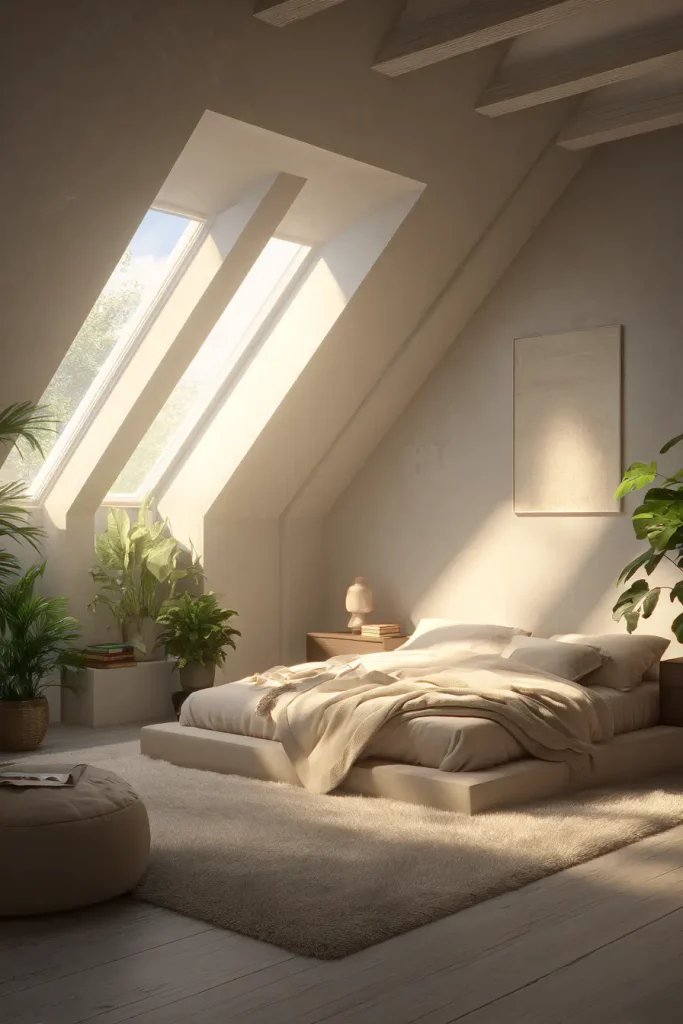
Rooms above garages often have limited wall space for windows. Skylights solve this problem by bringing light from above.
Natural light improves mood, reduces eye strain, and makes the room feel less closed in. Studies show that daylight exposure can improve sleep cycles and overall comfort.
Even one skylight can change how the room feels during the day.
6. Create Zones Instead of One Layout
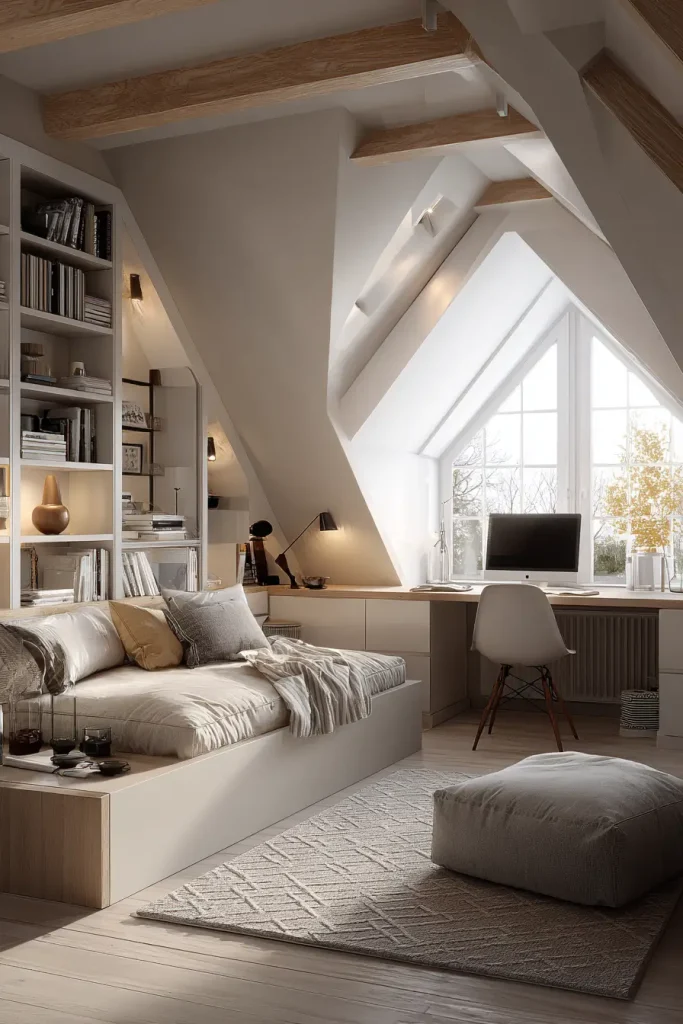
Trying to treat the room as one open space often fails. Awkward rooms work better when divided into zones.
You can create a sleeping area, a storage area, and a small sitting or work space. This helps give purpose to each part of the room.
Interior planning experts often use zoning to make irregular spaces feel organized and intentional.
7. Use Built In Wardrobes
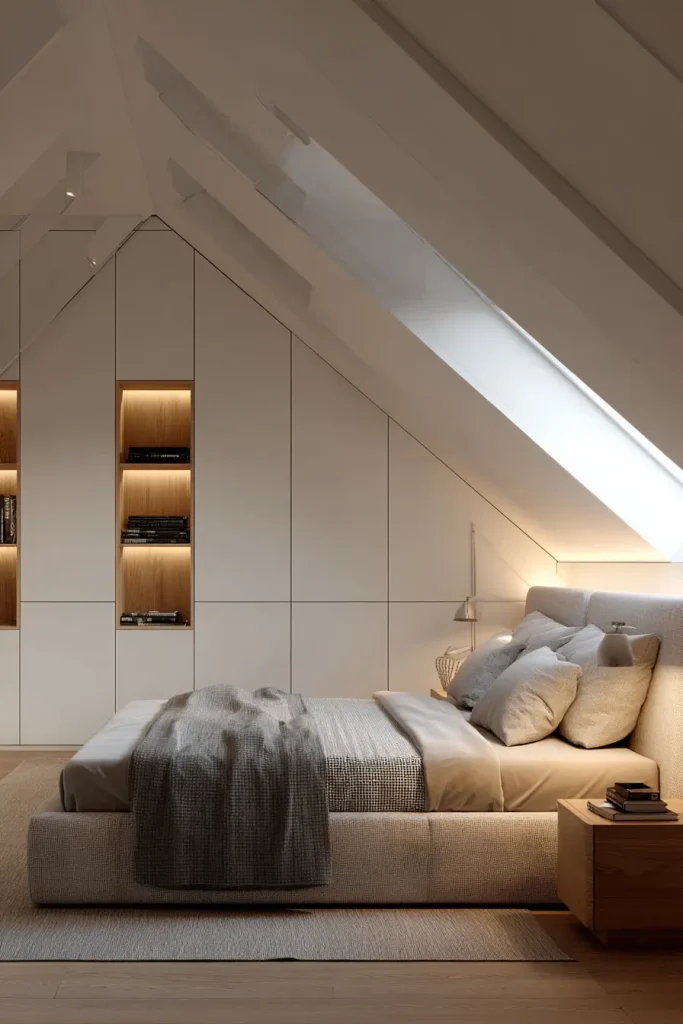
Standard wardrobes are made for straight walls and equal space. That does not work well in rooms with angles.
Built in wardrobes can be designed to match the exact shape of the wall. This reduces wasted space and improves storage capacity.
Custom storage can increase efficiency by up to 40 percent compared to free standing furniture in irregular rooms.
8. Place Seating in Low Ceiling Areas
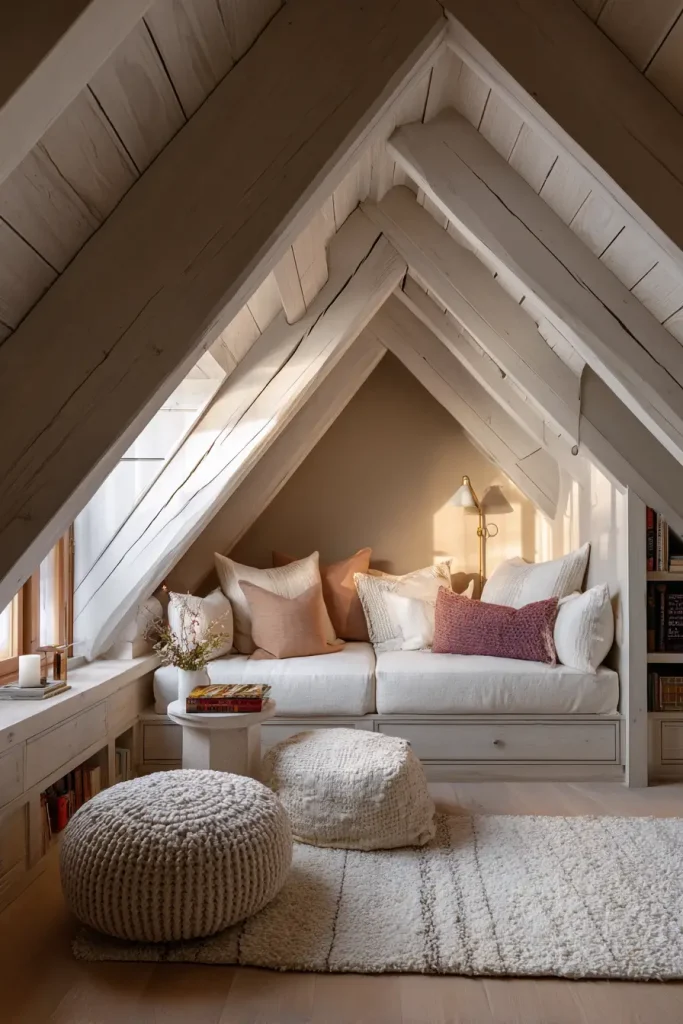
Low ceiling sections are not good for walking or standing. But they are perfect for sitting.
You can place a chair, bench, or reading corner in these areas. This uses space that would otherwise be wasted.
This approach follows a simple rule. Use low height areas for low movement activities.
9. Use Vertical Storage Where Possible
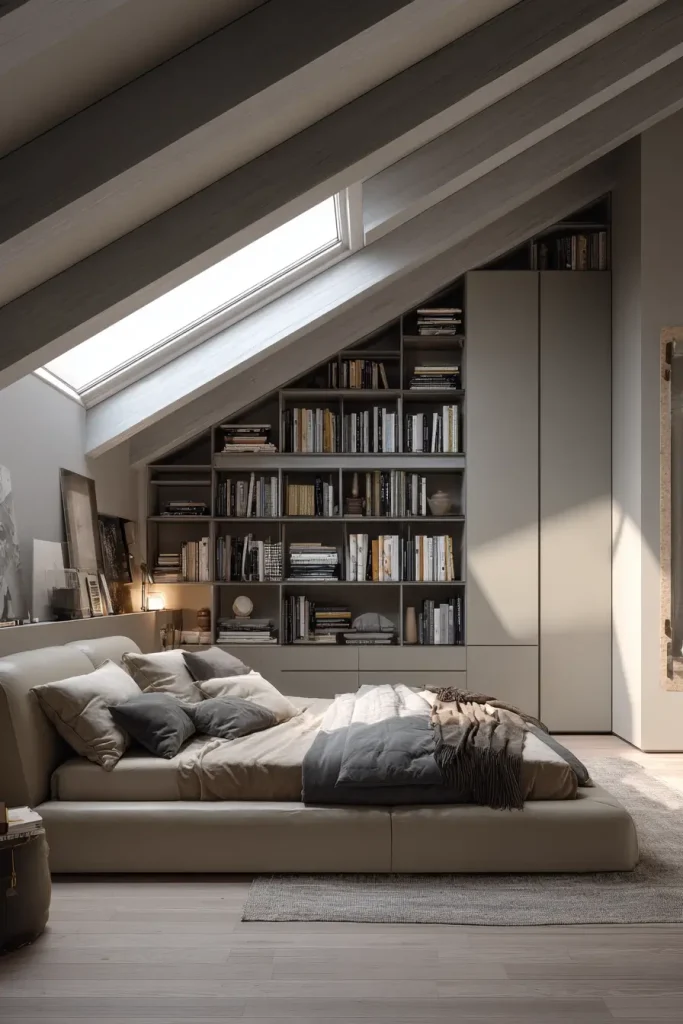
Even in awkward rooms, some walls still have full height. These areas should be used for vertical storage.
Tall shelves or cabinets help balance the room and give you more storage without using extra floor space.
Vertical storage is especially useful in small rooms because it increases storage without making the space feel crowded.
10. Keep the Floor Clear
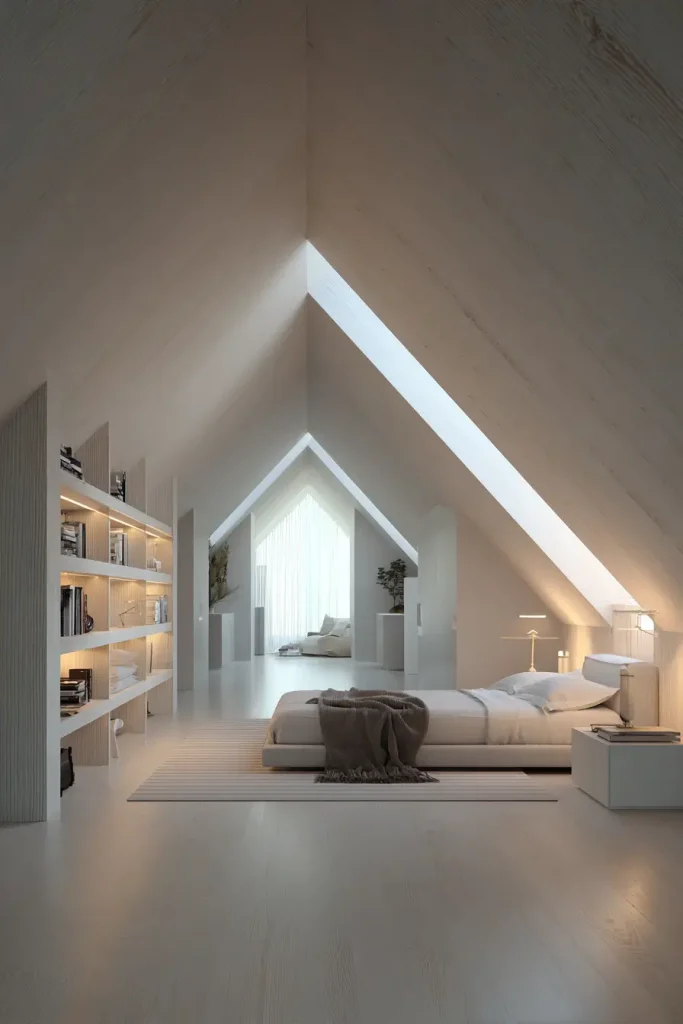
Clutter has a bigger impact in awkward rooms. It blocks movement and makes the space feel tighter.
Keeping the floor clear improves both safety and visual space. Experts recommend maintaining at least 30 inches of walking space in bedrooms for easy movement.
Using wall storage instead of floor storage helps achieve this.
11. Add Mirrors to Expand the Space
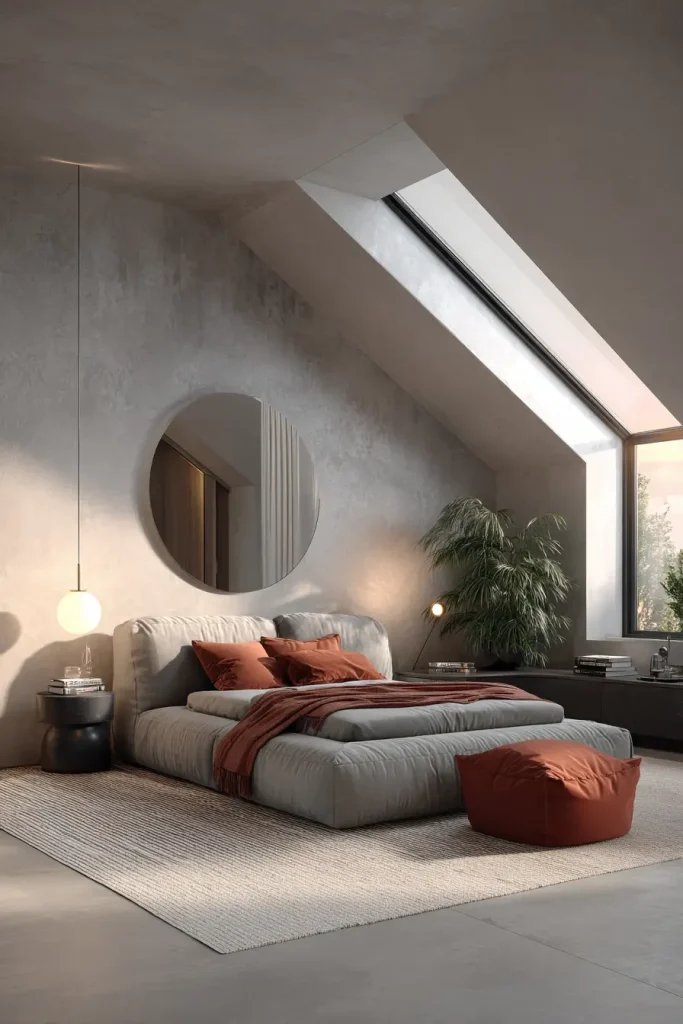
Mirrors create the illusion of more space by reflecting light and views. This makes the room feel larger than it actually is.
Placing a mirror across from a window can double the effect of natural light.
This is a simple and low cost trick that works in almost every small or uneven room.
12. Use Sliding Doors Instead of Swing Doors
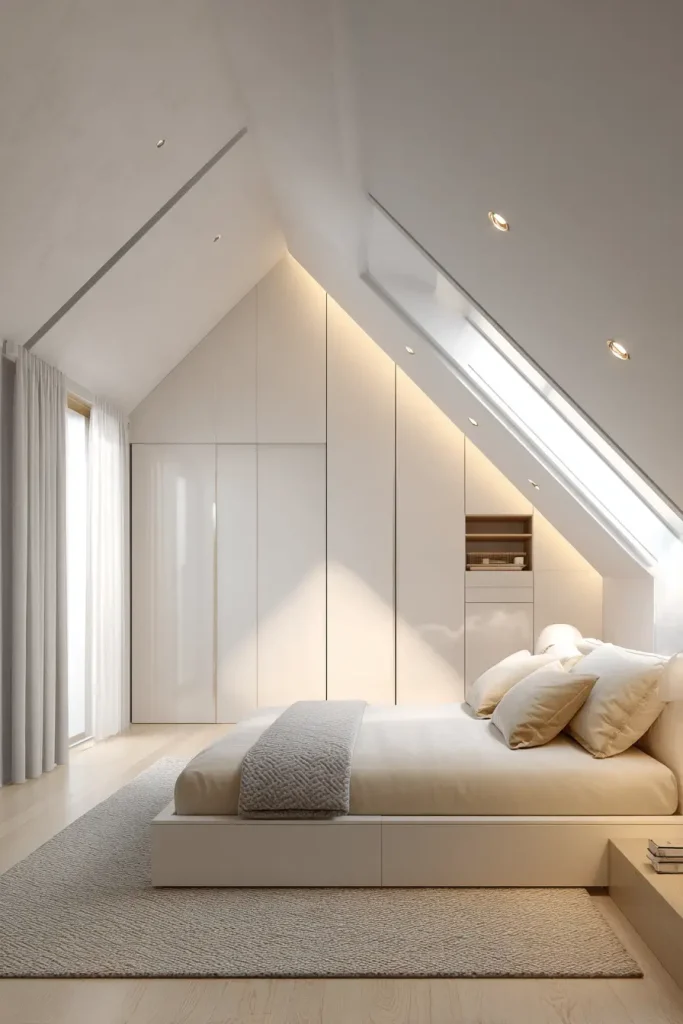
Swing doors need clearance space to open. In tight or awkward layouts, this wastes valuable room.
Sliding doors do not need extra space. They move along a track and keep the layout clean.
This is especially useful for closets or small entry points.
13. Define the Bed Area with Rugs
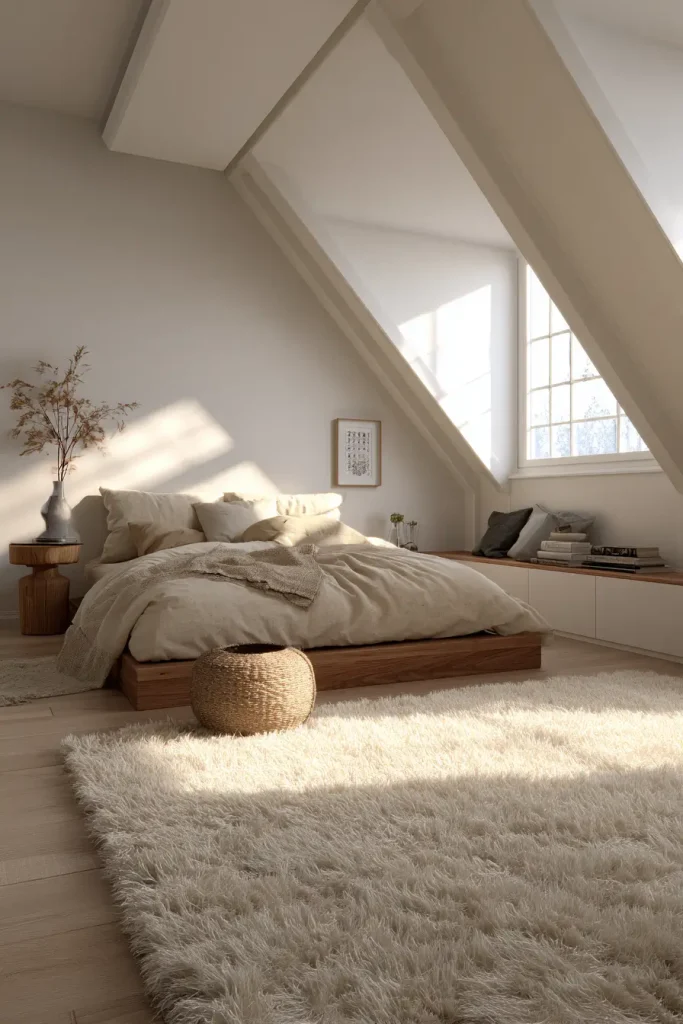
In rooms with odd shapes, the layout can feel confusing. A rug helps define the sleeping area.
This creates visual structure and makes the room feel more organized.
Design experts often use rugs to create clear zones in open or irregular spaces.
14. Use Multi Purpose Furniture
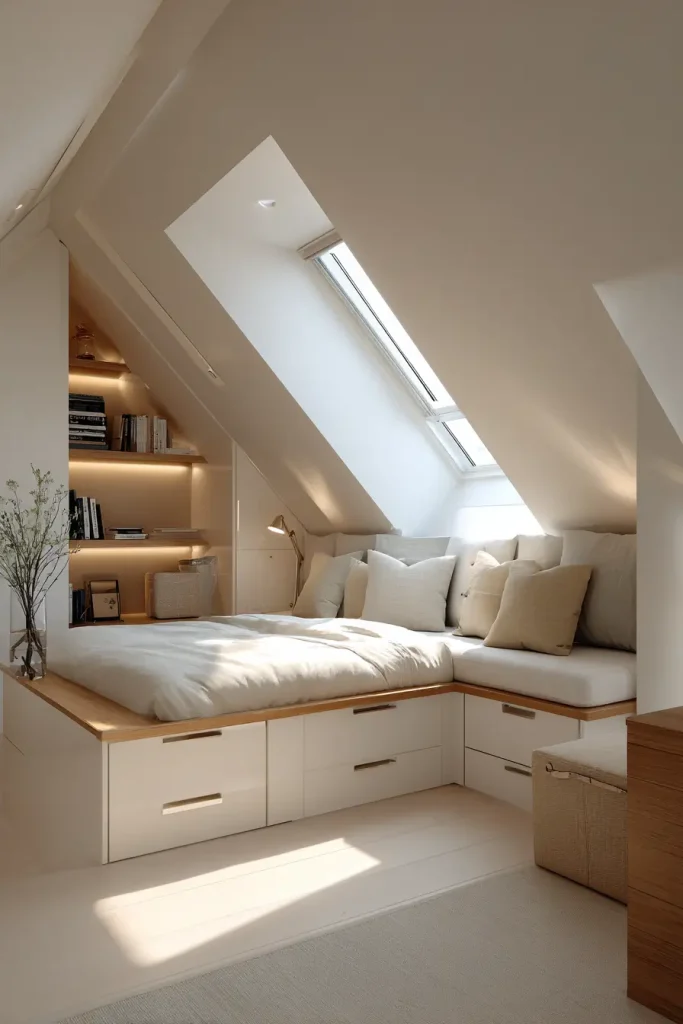
Furniture that serves more than one function is very useful in awkward rooms.
Beds with storage, foldable desks, and benches with hidden compartments help reduce clutter.
This approach improves space efficiency and keeps the room simple.
15. Improve Insulation and Temperature Control
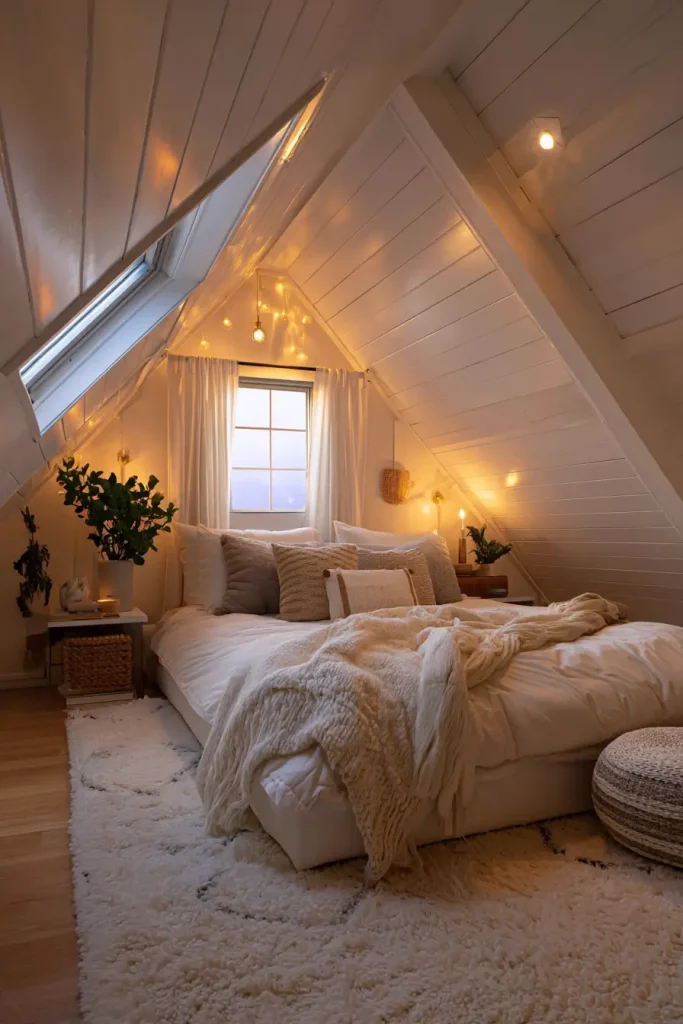
Bedrooms above garages often have poor temperature control. Heat rises in summer, and cold air comes through in winter.
Adding insulation, using thick rugs, and installing proper window coverings can help regulate temperature.
A comfortable room improves sleep quality, which directly affects health and daily energy levels.
Conclusion
An awkward bedroom above a garage is not a lost space. It just needs a smarter approach.
Focus on using the tallest areas for movement. Use low areas for storage or seating. Keep the layout simple and clear.
Small changes like better lighting, proper furniture size, and improved insulation can completely change how the room feels.
When you work with the shape of the room instead of against it, the space becomes comfortable and easy to use.

- 15 Cottagecore Garden Ideas That Feel Like a Storybook Came to Life - April 20, 2026
- 16 Budget Bathroom Ideas That Look Expensive - April 20, 2026
- 15 Bedroom Ideas Above Garage With Awkward Proportions (With Practical Details) - April 20, 2026