
Introduction
A cottagecore garden is not supposed to look perfect. That is part of its charm. It should feel soft, full, peaceful, and a little wild. When done well, it looks like it grew slowly over time instead of being planned all at once.
Many people want this look, but they are not sure where to start. They may think they need a huge yard, rare flowers, or a lot of money. That is not true. Cottagecore style is more about feeling than perfection. It is about creating a garden that feels warm, romantic, and lived in.
The best cottagecore gardens mix flowers, herbs, textures, old items, and simple paths. They invite you to slow down. They make even a small space feel special.
In this guide, you will find 15 cottagecore garden ideas that can help your outdoor space feel like a storybook came to life.
1. Plant flowers in loose, layered groups
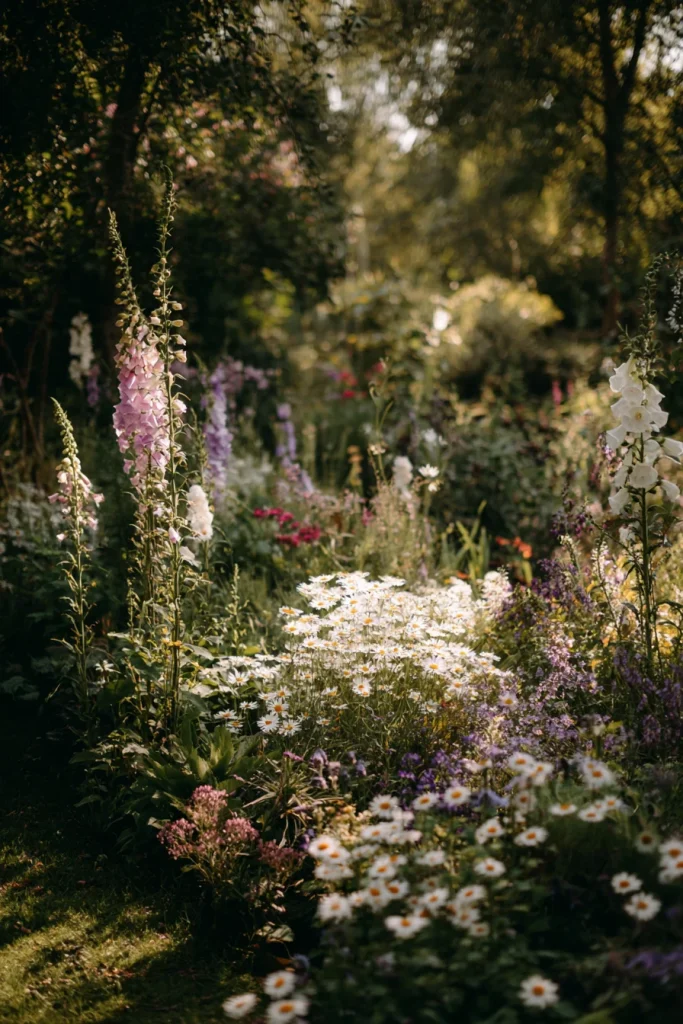
A cottagecore garden should not look stiff or too planned. One of the easiest ways to create the right feel is to plant flowers in loose groups instead of neat rows.
Mix tall flowers, medium plants, and low blooms together so the garden has layers. This makes the space feel fuller and softer. It also creates that overgrown look people love in storybook style gardens.
Flowers like foxgloves, daisies, roses, cosmos, delphiniums, and lavender work well for this.
2. Add a winding path through the garden
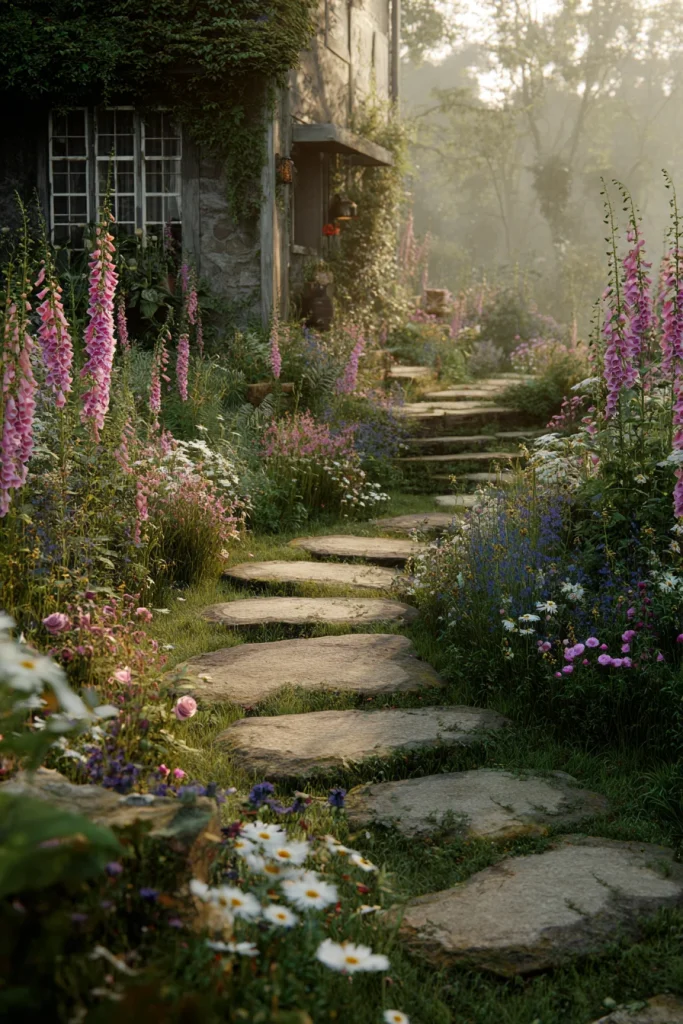
Straight paths feel formal. Cottagecore gardens usually look better with curved or uneven paths that move gently through the space.
A path made from gravel, stepping stones, brick, or worn stone can make the garden feel older and more charming. It also helps the space feel larger because it draws the eye forward.
Even a small yard can feel more magical when there is a path leading through flowers and greenery.
3. Use climbing roses or vines
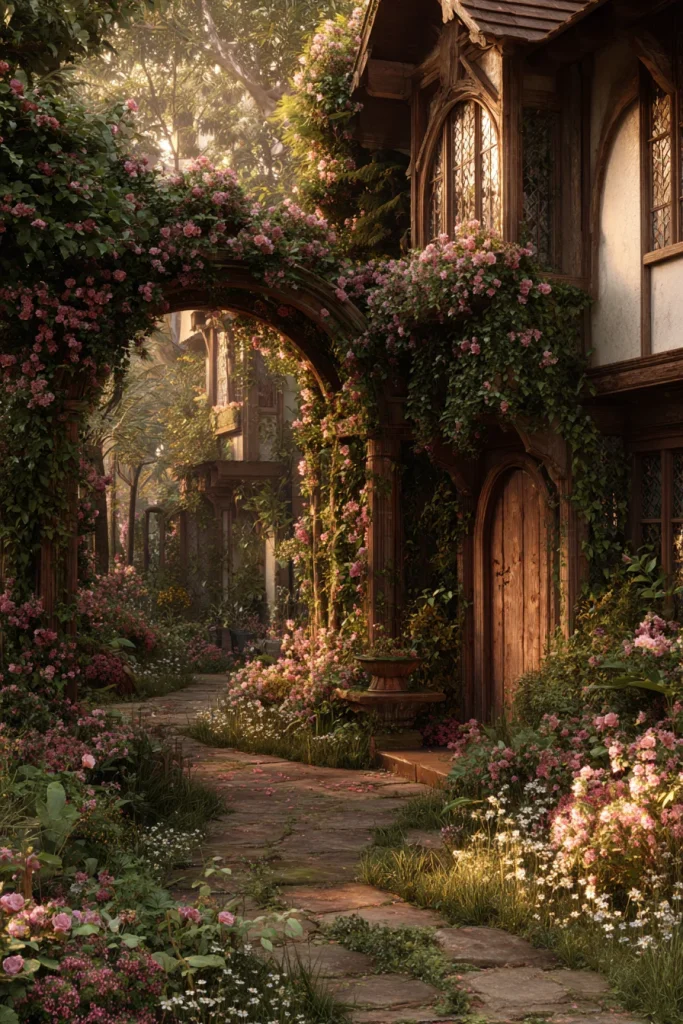
Vertical plants help make a garden feel rich and romantic. Climbing roses, ivy, clematis, and honeysuckle can turn plain fences, arches, and trellises into beautiful features.
This adds height and makes the garden feel more enclosed and dreamy. It also gives the impression that the garden has been there for years.
A vine covered arch at the entrance can completely change the mood of the space.
4. Mix flowers with herbs
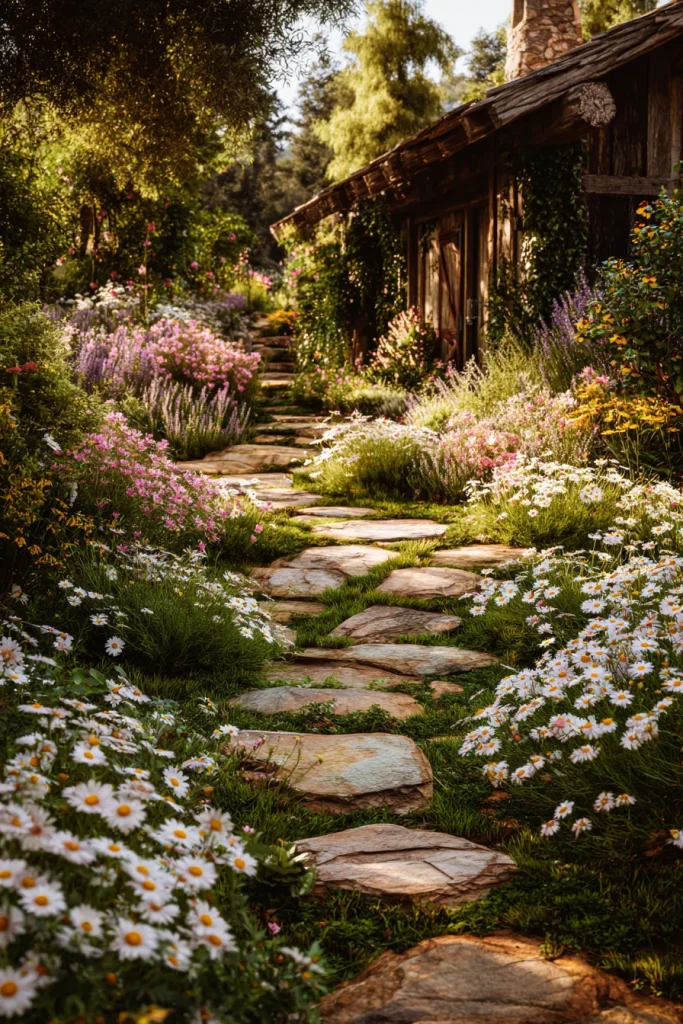
Cottagecore gardens are beautiful, but they should also feel useful. Mixing herbs with flowers is a simple way to bring that old fashioned garden style into your yard.
Lavender, thyme, rosemary, mint, sage, and chamomile all fit this look well. They smell good, soften the space, and make the garden feel more natural.
This kind of mix also helps the garden feel personal instead of purely decorative.
5. Choose soft, romantic colors
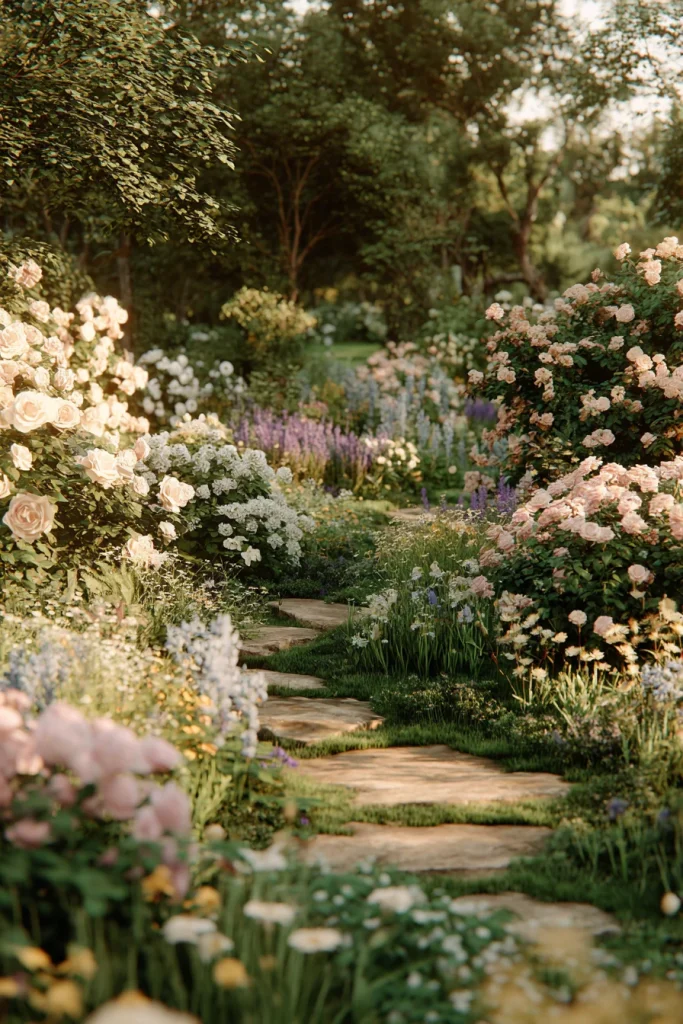
Color matters a lot in cottagecore style. Soft pink, cream, lilac, pale yellow, light blue, and white usually create the best effect.
These shades make the garden feel calm and gentle. Bright, harsh colors can still work, but too many of them may take away from the storybook feeling.
A softer palette helps everything blend together in a way that feels peaceful and timeless.
6. Add a weathered bench or bistro set
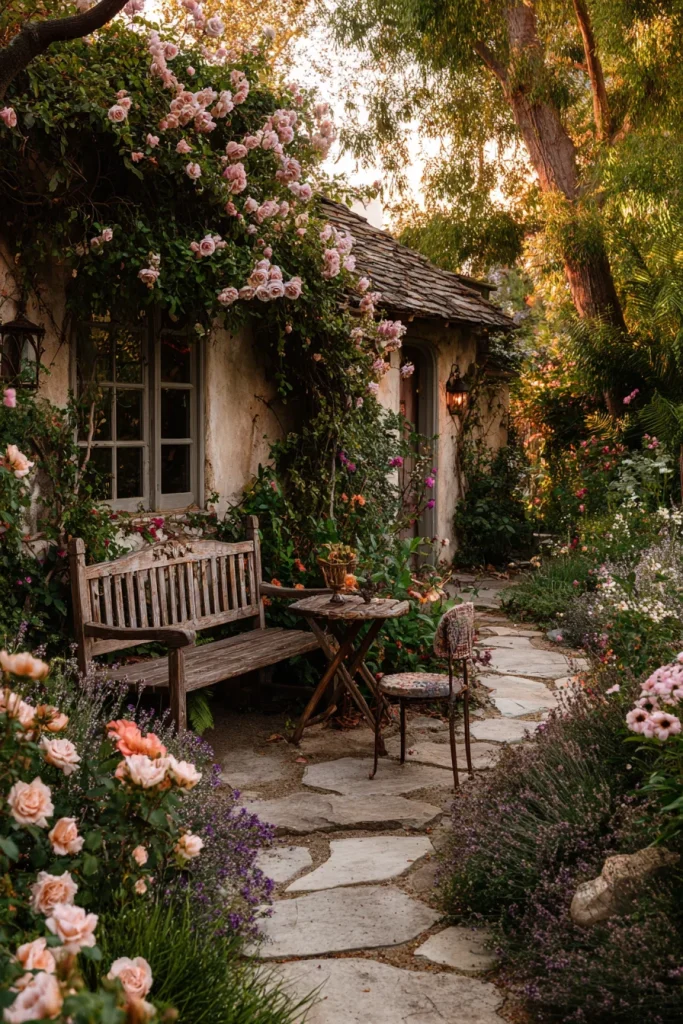
A cottagecore garden should feel like a place where someone sits with tea, reads a book, or watches the evening light. Seating helps create that feeling.
A weathered wooden bench, painted iron chair, or small bistro table works well. It does not need to look new. In fact, a slightly worn look often adds more charm.
This gives the garden a sense of life and makes it feel welcoming.
7. Let some areas grow a little wild
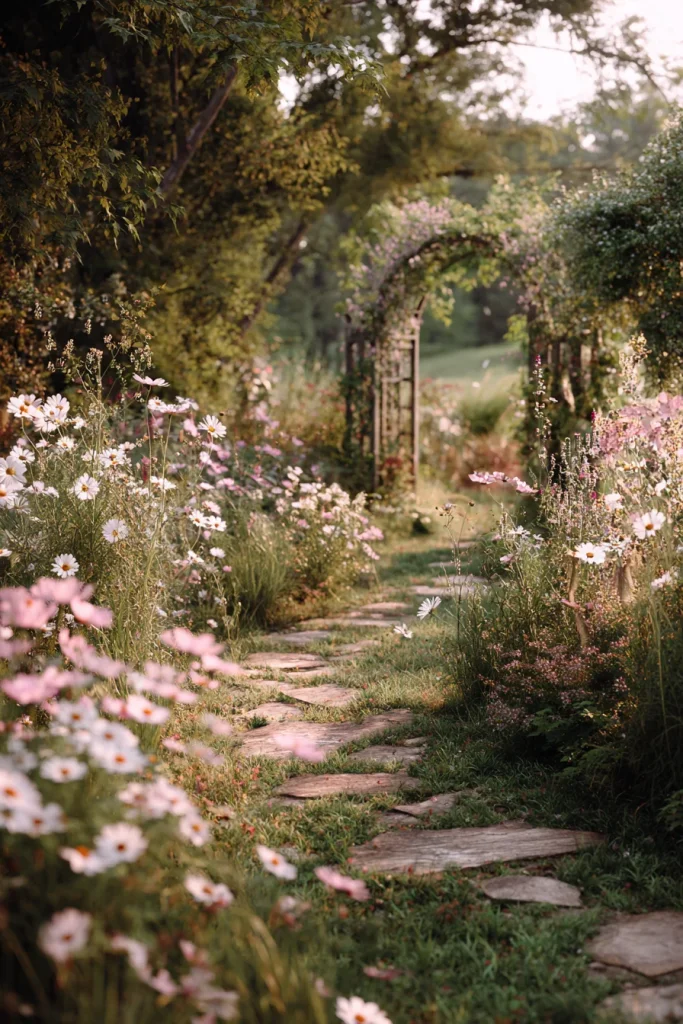
A cottagecore garden should not be too neat. One of the best ideas is to let some corners stay a little untamed.
This could mean allowing flowers to spill over borders, letting grasses sway naturally, or keeping one section softer and less controlled. That wildness adds beauty because it feels real.
The goal is not mess. The goal is gentle freedom.
8. Use old containers as planters
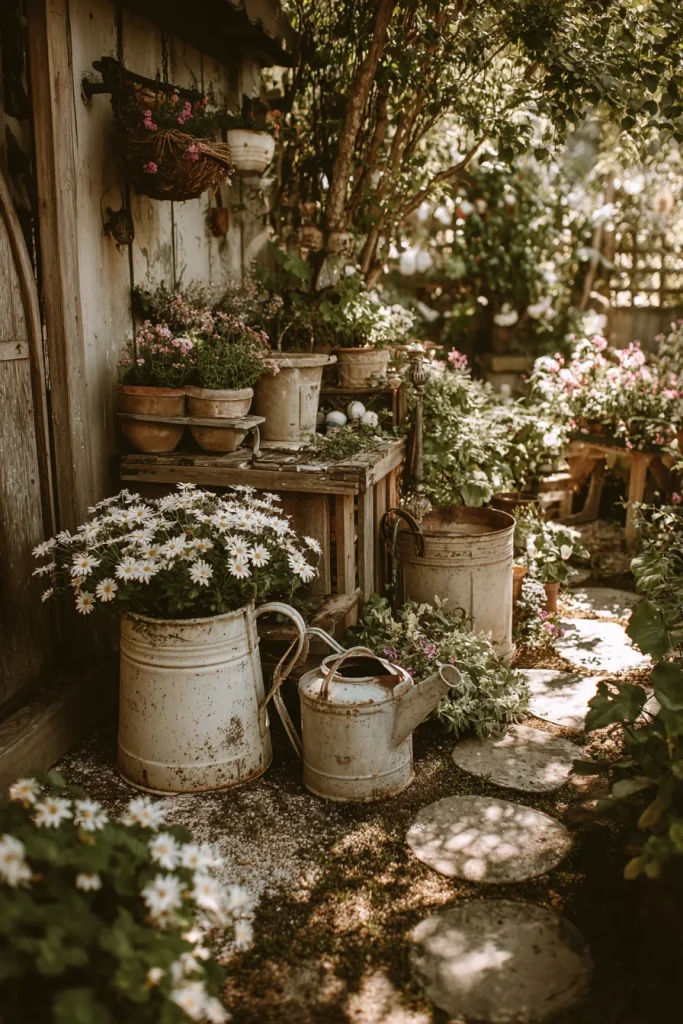
Vintage looking containers add instant character. Old watering cans, wooden crates, ceramic pots, enamel bowls, and even worn buckets can be turned into planters.
This helps the garden feel collected and personal. It also gives you an easy way to add charm to patios, porches, and small corners.
Items with age, texture, and imperfect surfaces usually suit cottagecore style best.
9. Grow a mix of edible plants
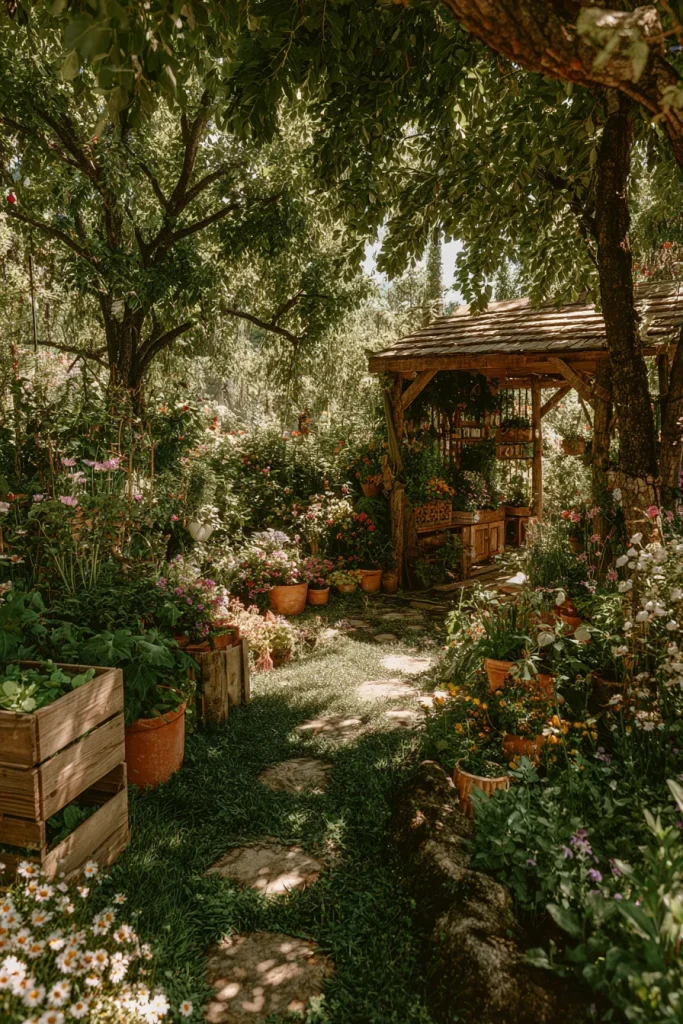
A storybook garden feels even better when some of it can be picked and used. Strawberries, lettuce, peas, tomatoes, and edible flowers can all fit into a cottagecore space.
This makes the garden feel more alive and useful. It also brings in that old cottage feeling where beauty and daily life lived side by side.
You do not need a full vegetable patch. Even a few edible plants can change the feel of the space.
10. Add a trellis or arbor
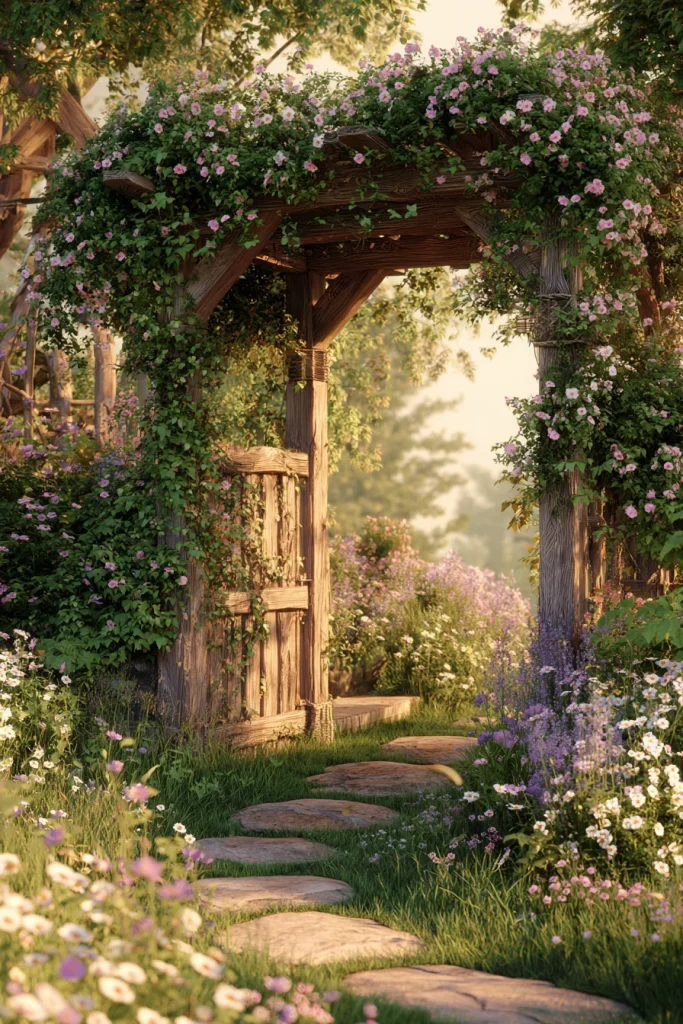
Structures like trellises and arbors help shape the garden without making it feel formal. They create height, guide the eye, and give climbing plants a place to grow.
A simple wooden arbor covered in roses or clematis can become a main feature in the garden. It adds that storybook detail that makes the whole space feel more romantic.
This works well even in smaller gardens because it adds charm without using much ground space.
11. Create a flower filled border
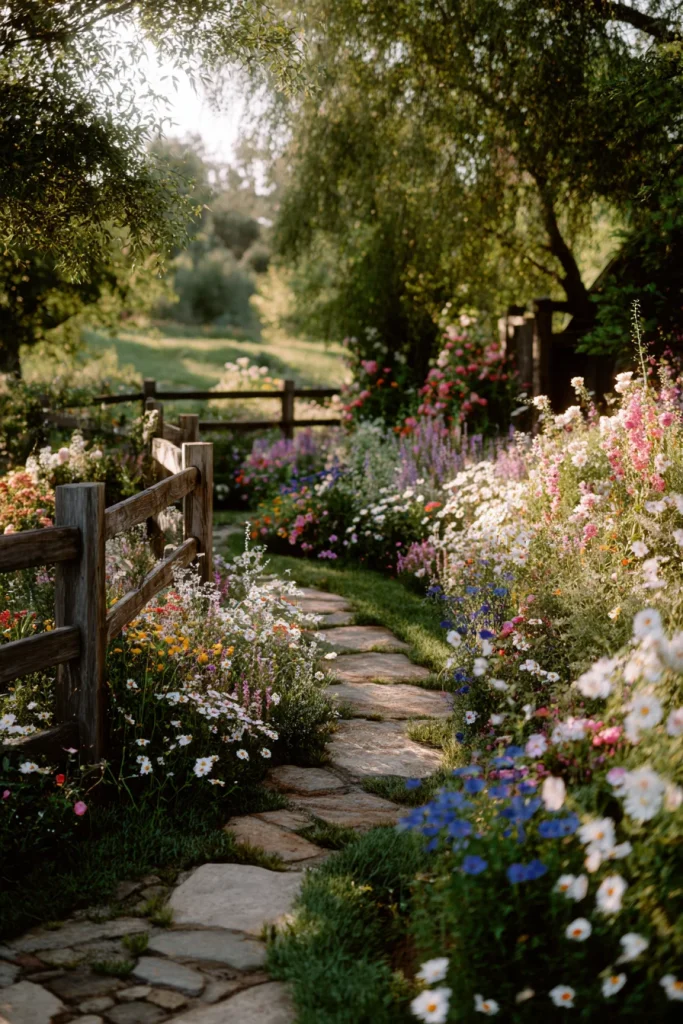
Cottagecore gardens often look best when the edges are soft and full. A flower border along a fence, wall, or path can bring that look in quickly.
Use a mix of heights and textures so the border feels full from front to back. Repeat a few plants across the border so it still looks connected.
This is one of the easiest ways to make a plain yard feel lush and intentional.
12. Include birdhouses or feeders
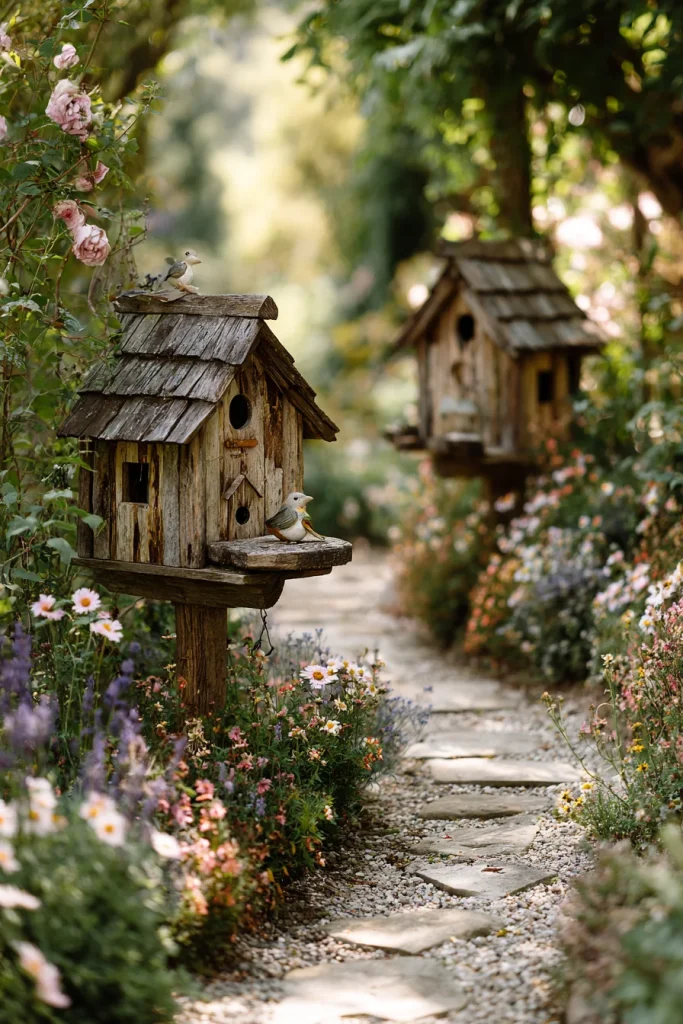
A garden feels more alive when birds visit it. A simple birdhouse, feeder, or shallow water dish can bring movement and sound into the space.
This adds to the peaceful feeling and helps the garden feel connected to nature. It also supports the quiet, lived in charm that cottagecore style is known for.
Choose wood, metal, or painted pieces that look soft and simple rather than too polished.
13. Use picket fencing or rustic edging
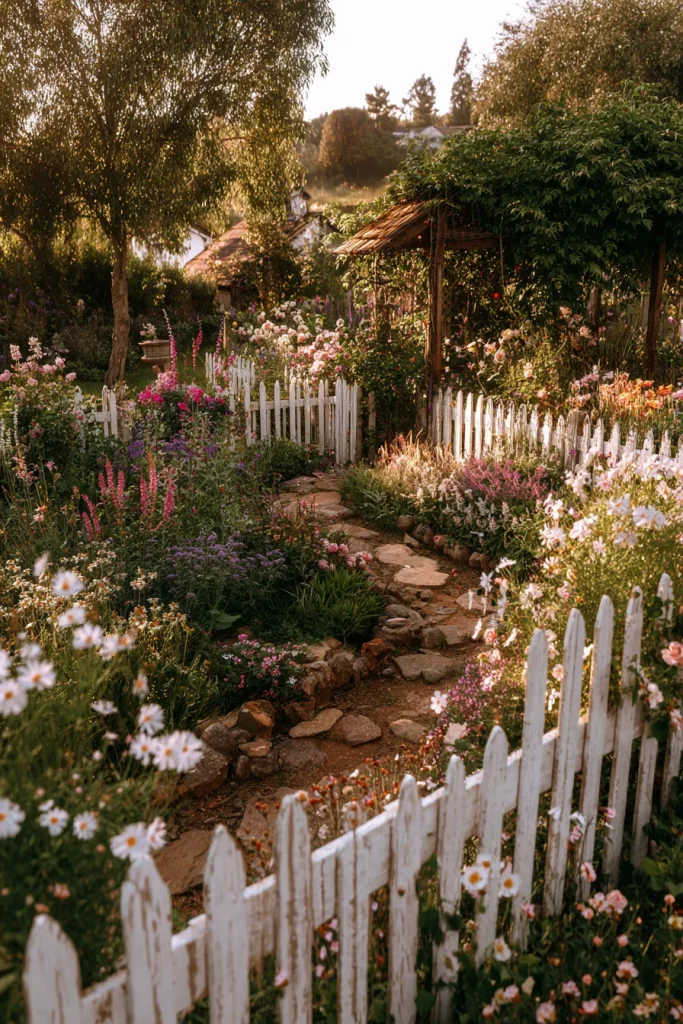
A low fence or natural border can give the garden shape without making it feel closed off. White picket fencing is a classic cottage look, but rustic wood edging, woven willow borders, or stone lines can work too.
This helps define flower beds and paths while keeping the space soft. It also adds that old home feeling that works so well with cottagecore style.
Small details like this often make a bigger difference than people expect.
14. Plant fragrant flowers near seating or paths
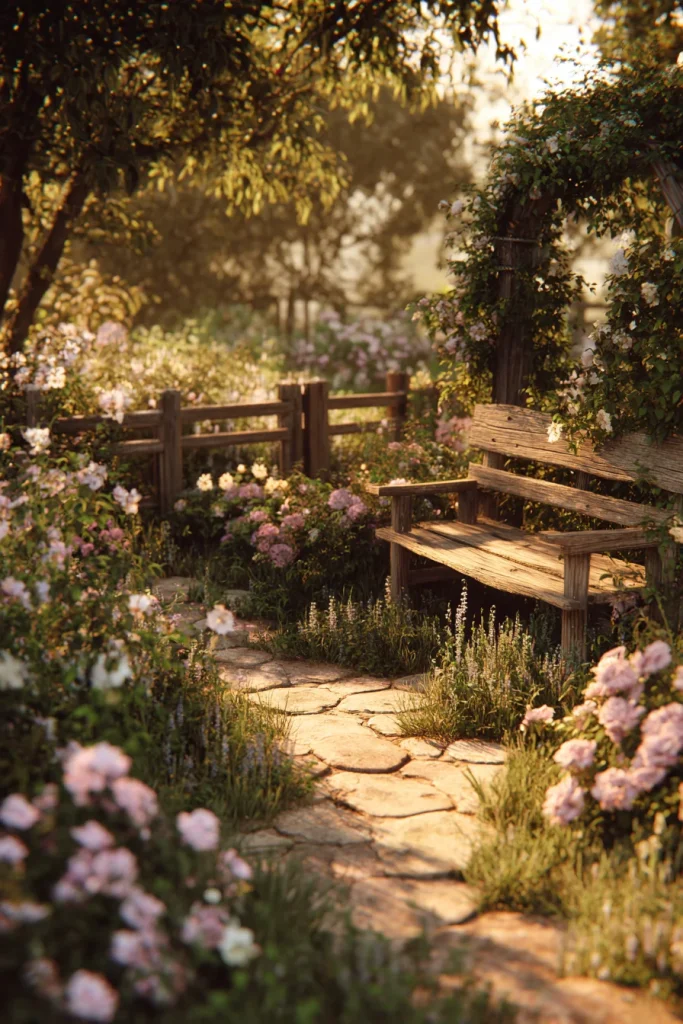
Scent is part of what makes a garden memorable. Flowers and herbs with fragrance make the space feel richer and more peaceful.
Lavender, roses, jasmine, sweet peas, and honeysuckle are good choices. Plant them near a bench, walkway, or doorway so their scent is noticed as people move through the garden.
This adds another layer to the storybook feeling because it makes the space feel immersive.
15. Decorate lightly with vintage touches
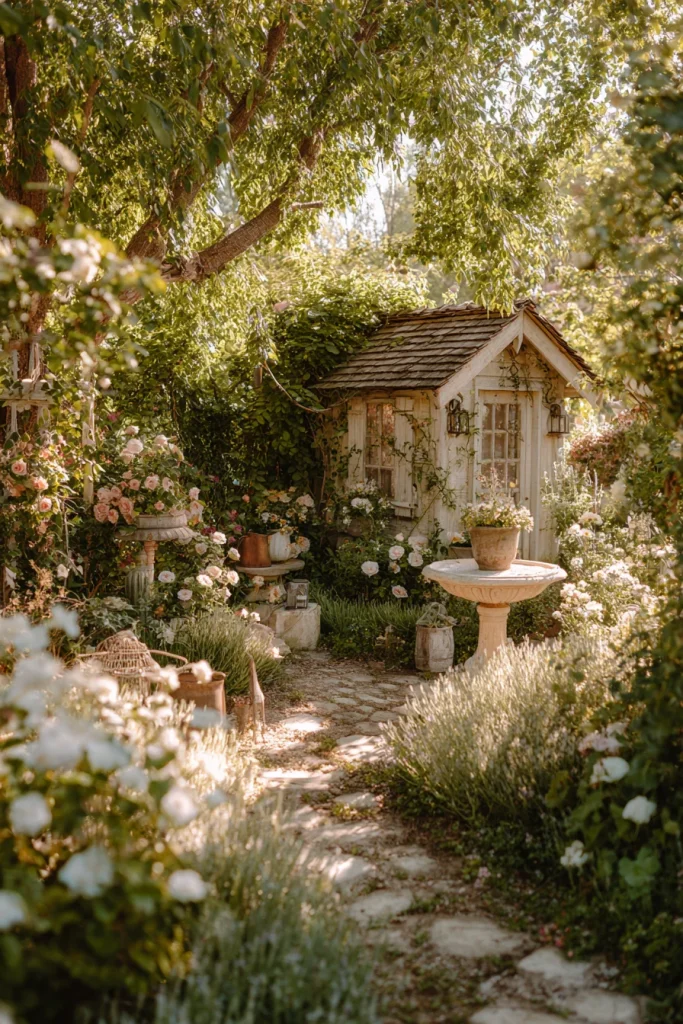
A few decorative pieces can add charm, but the garden should still feel natural. A watering can, old lantern, stone birdbath, lace curtain in a shed window, or worn planter can all help.
The key is to keep it light. Too many items can make the space feel staged. A few thoughtful touches are enough to give the garden personality.
Cottagecore style works best when it feels real, soft, and personal.
Conclusion
A cottagecore garden does not need to be large or expensive to feel beautiful. What matters most is the mood it creates. Soft flowers, winding paths, old textures, useful herbs, and small romantic details can turn even a simple yard into something special.
Start with one or two ideas first. Add flowers in layers. Place a bench in a quiet corner. Let vines climb. Use what you already have. Over time, the space will grow into something that feels gentle, warm, and full of storybook charm.
The best cottagecore gardens do not feel forced. They feel loved.

- 17 Classy Living Room Ideas for a Cozy Elegant Look - April 23, 2026
- 16 Dark Moody Living Room Ideas That Feel Rich and Warm - April 22, 2026
- 14 Elegant Bedroom Trends for 2026 You’ll Love - April 22, 2026


