Introduction
A good kitchen should make life easier. It should not feel crowded, messy, or hard to use. If you cook often, or even just a few times a week, the space needs to work well.
A lot of kitchens fail at that. Counters get full. Storage turns into chaos. Tools are hard to find. Cleaning takes longer than it should. That is usually not a style problem. It is a layout and function problem.
If you want a kitchen that feels clean, simple, and easy to manage, you do not need fancy design. You need smart choices that reduce clutter and make cooking smoother.
These kitchen ideas focus on that. They help you build a space that looks sharp, works hard, and stays easy to keep clean.
1. Start with a neutral color palette
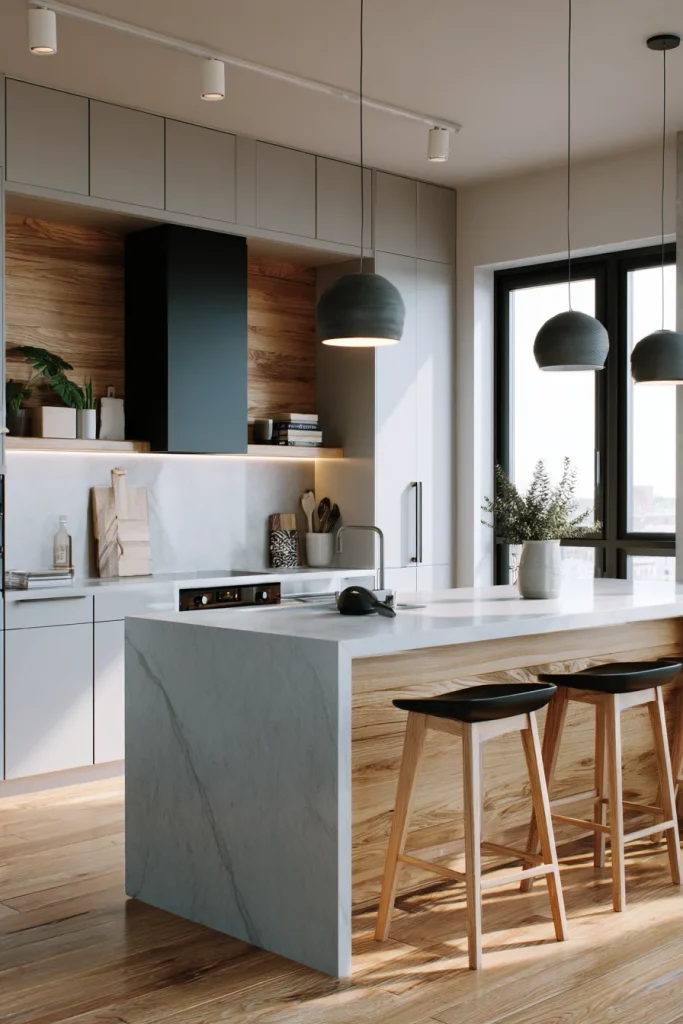
A simple color palette makes the kitchen feel calm and organized. Shades like black, white, gray, navy, and warm wood tones usually work well. They give the room a clean look without trying too hard.
This also makes it easier to match appliances, storage, and furniture. Too many colors can make even a decent kitchen look busy. A tighter palette keeps the room sharp and more controlled.
2. Keep the counters mostly clear
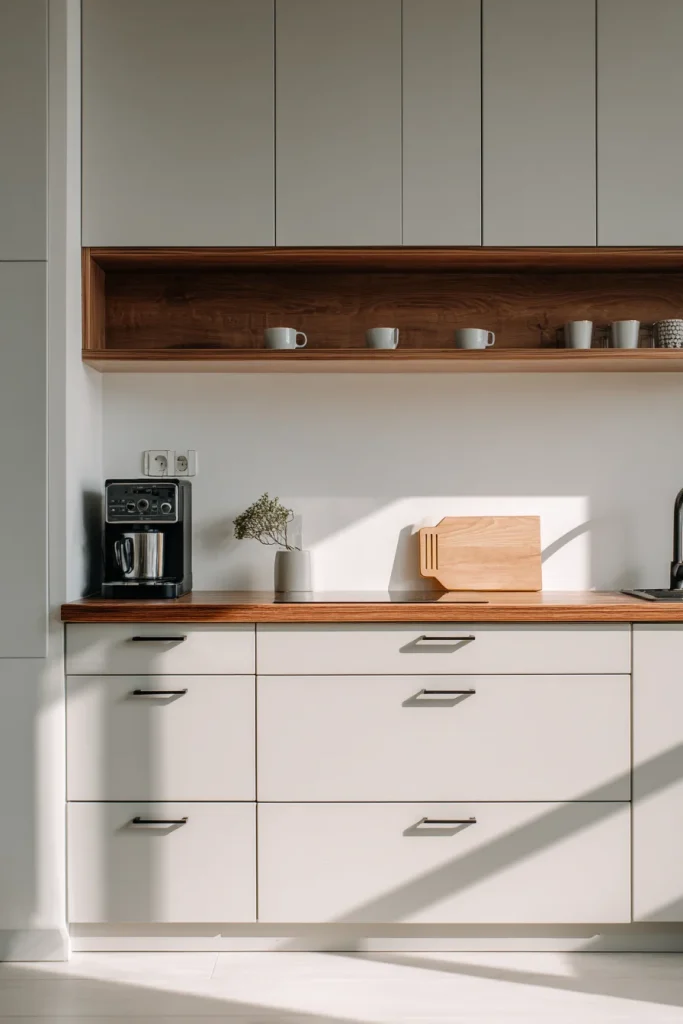
A clean kitchen starts with clear counters. If every appliance, bottle, and container lives out in the open, the room will always look messy.
Keep only the things you use often on display. That might be a coffee maker, a knife block, or one cutting board. Everything else should have a home in a drawer or cabinet.
This does two things. It makes the kitchen look better, and it gives you more room to prep food without moving things around first.
3. Choose cabinets with flat simple fronts
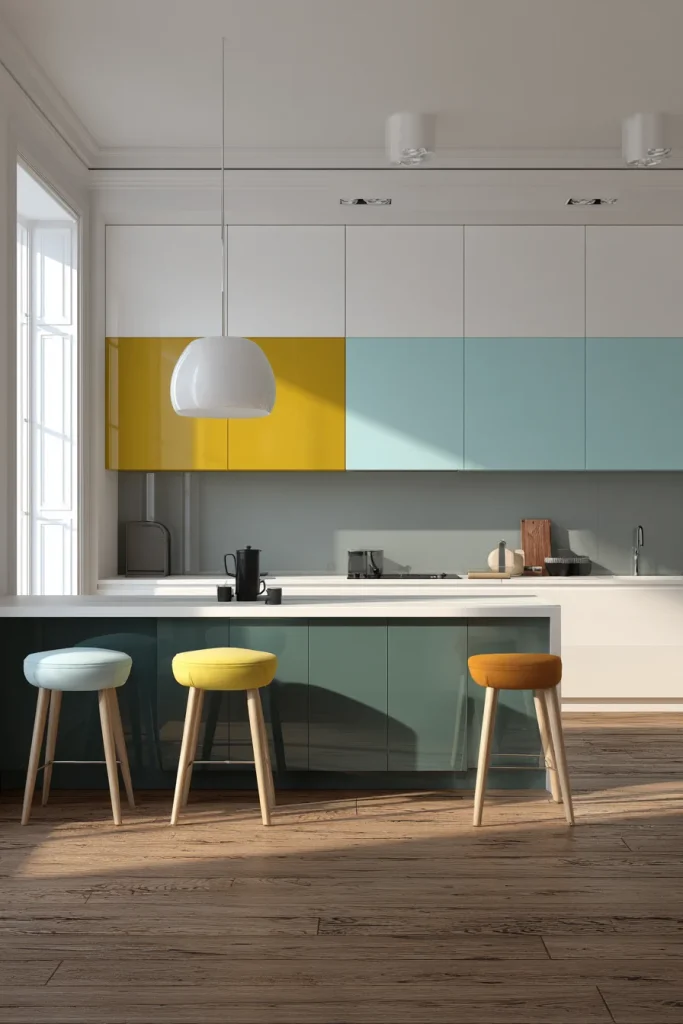
Cabinet design affects the whole feel of a kitchen. Flat panel cabinets look cleaner and more modern than busy raised styles. They also collect less dust and grease in hard to clean edges.
If your goal is a kitchen that feels simple and functional, clean cabinet lines help a lot. They make the room feel less crowded, even if the layout is small.
4. Use closed storage more than open shelving
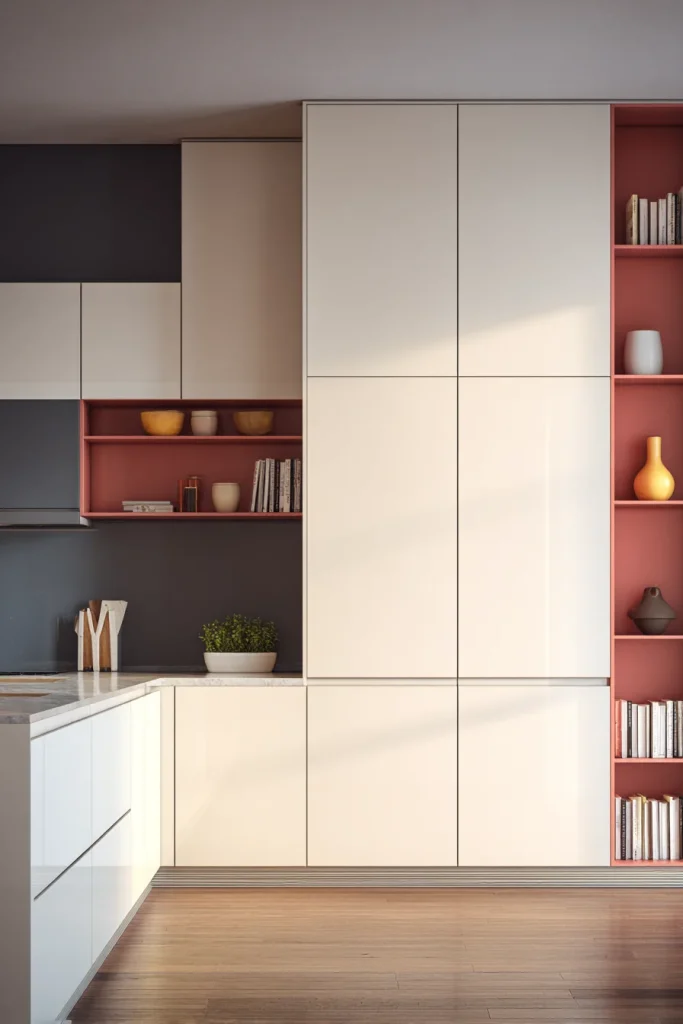
Open shelves can look good in photos, but they are harder to keep neat in real life. They also collect dust fast. If you want a kitchen that stays clean with less effort, closed cabinets usually work better.
Closed storage hides visual clutter. It gives the room a calmer look and helps you keep things organized without needing everything to look perfect all the time.
A few open shelves are fine if you use them well. But most of your storage should stay behind doors.
5. Build zones for cooking, prep, and cleaning
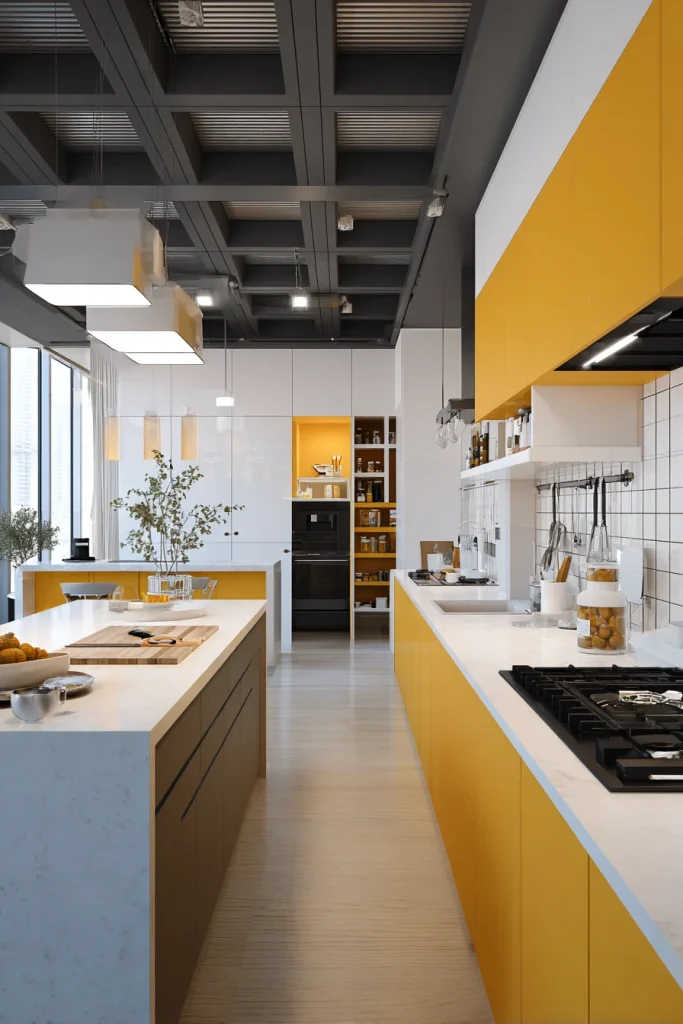
A functional kitchen works best when each task has its own area. Try to think in zones. One spot for prep. One for cooking. One for cleaning. One for storage.
For example, keep knives, boards, and mixing tools near your prep space. Keep oils, spices, and pans near the stove. Keep trash bags, soap, and towels near the sink.
This cuts down wasted movement and makes cooking feel smoother. You stop walking back and forth for basic things.
6. Pick materials that are easy to wipe down
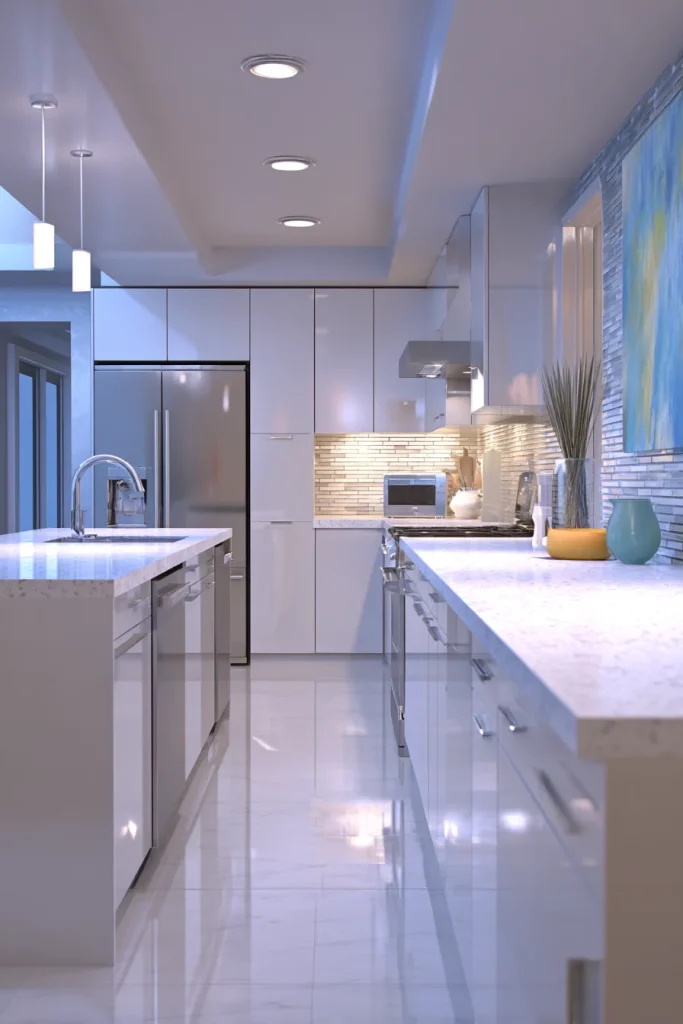
Some surfaces look great but need too much maintenance. If you want a low stress kitchen, choose finishes that are easy to clean.
Quartz counters, matte cabinets, tile backsplashes, and stainless steel surfaces are popular because they handle daily use well. They also wipe clean without much effort.
This matters more than people think. A kitchen that is easy to clean is one that stays clean.
7. Add strong task lighting
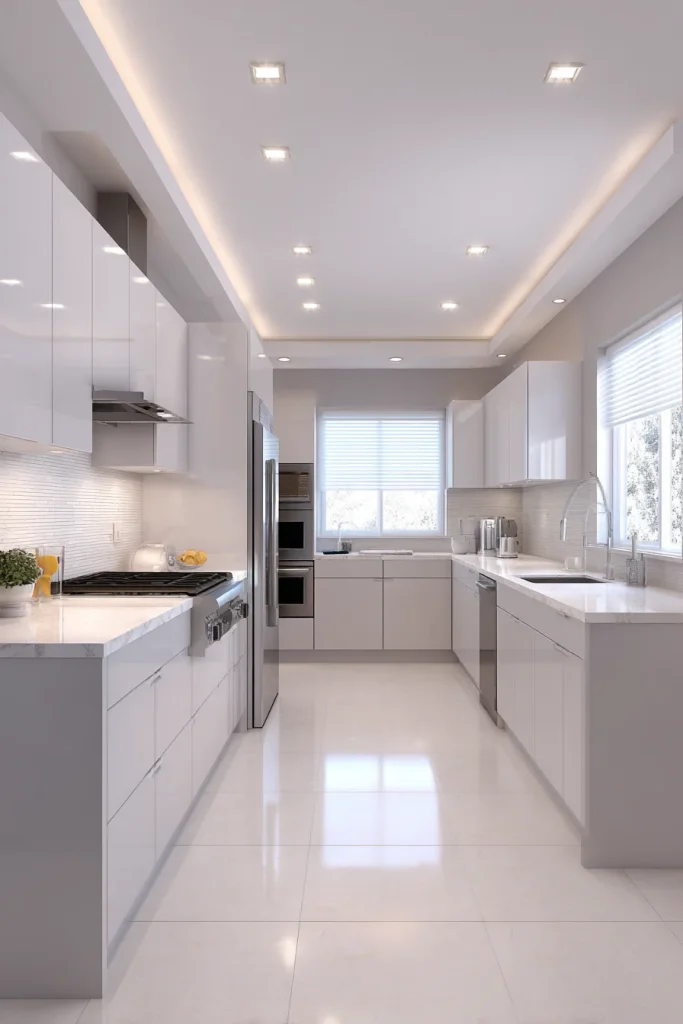
Bad lighting makes cooking harder. It also makes the whole kitchen feel dull. Good task lighting fixes both problems.
Under cabinet lights, bright ceiling lights, and focused lighting over prep areas help a lot. You can see what you are cutting, cooking, and cleaning. That improves safety and makes the room feel more finished.
Good lighting also helps a simple kitchen look more polished.
8. Use drawer organizers for tools and utensils
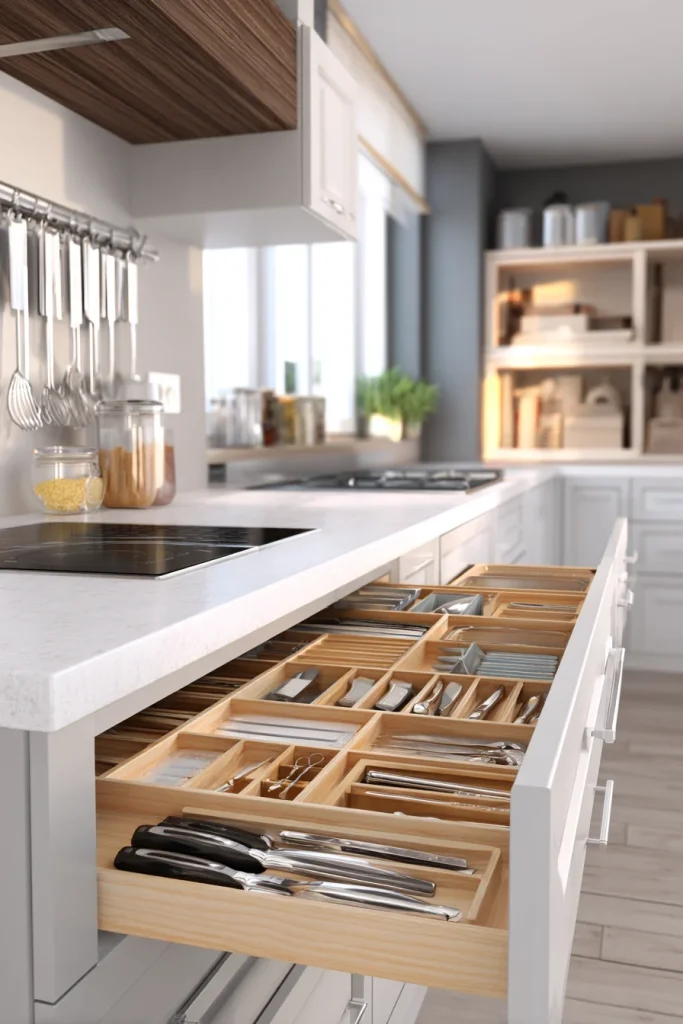
Messy drawers waste time. You open them, dig around, and still cannot find what you need. Drawer organizers solve that fast.
Use simple dividers for knives, spoons, peelers, measuring tools, and cooking gadgets. Give each item a place. That makes the kitchen easier to use and easier to reset after meals.
A functional space depends on fast access. Organizers help create that.
9. Keep one strong focal point
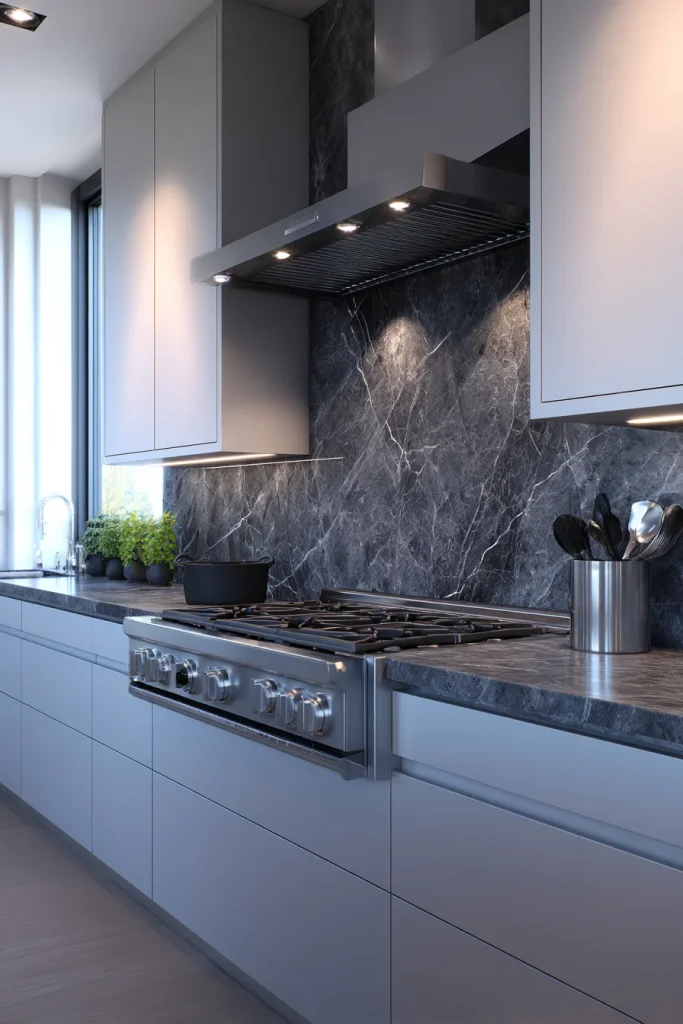
A kitchen does not need a lot of decoration. One strong feature is usually enough. That could be a dark backsplash, a wood island, a statement light fixture, or a clean range hood.
This gives the room personality without adding clutter. It also keeps the design grounded. Instead of trying to make every corner interesting, let one feature carry the visual weight.
That approach usually looks more confident and more mature.
10. Choose sturdy stools or seating with simple lines
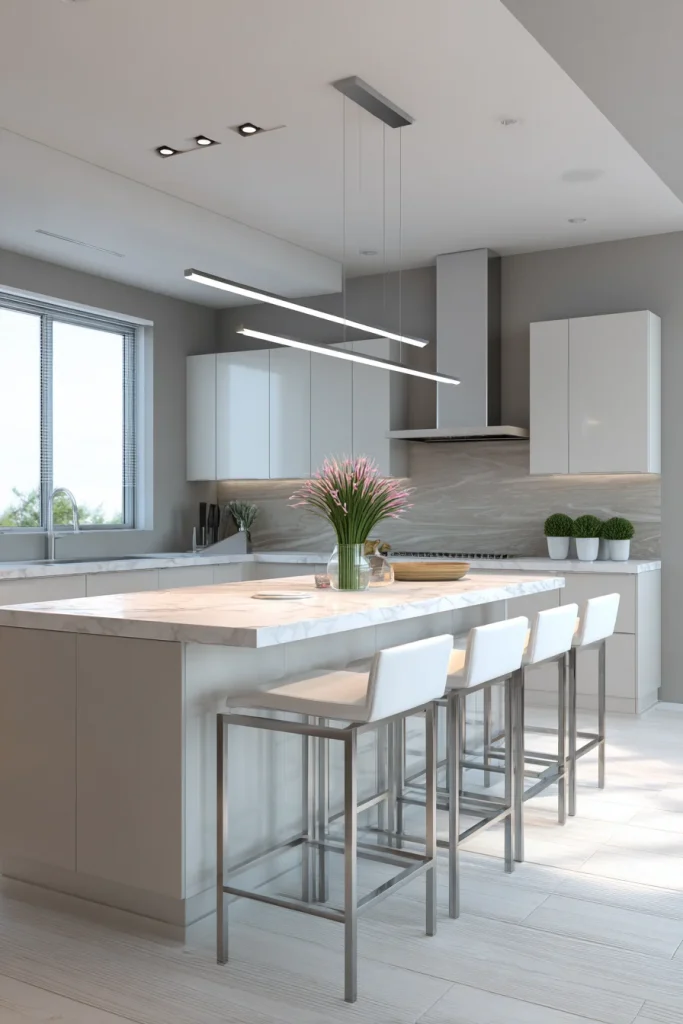
If your kitchen has an island or breakfast bar, the seating matters. Bulky chairs can make the room feel cramped. Thin, sturdy stools with clean lines work better in most functional kitchens.
They keep the layout open and make cleaning easier. They also fit the overall goal of a space that feels sharp, useful, and low maintenance.
11. Store appliances based on real use
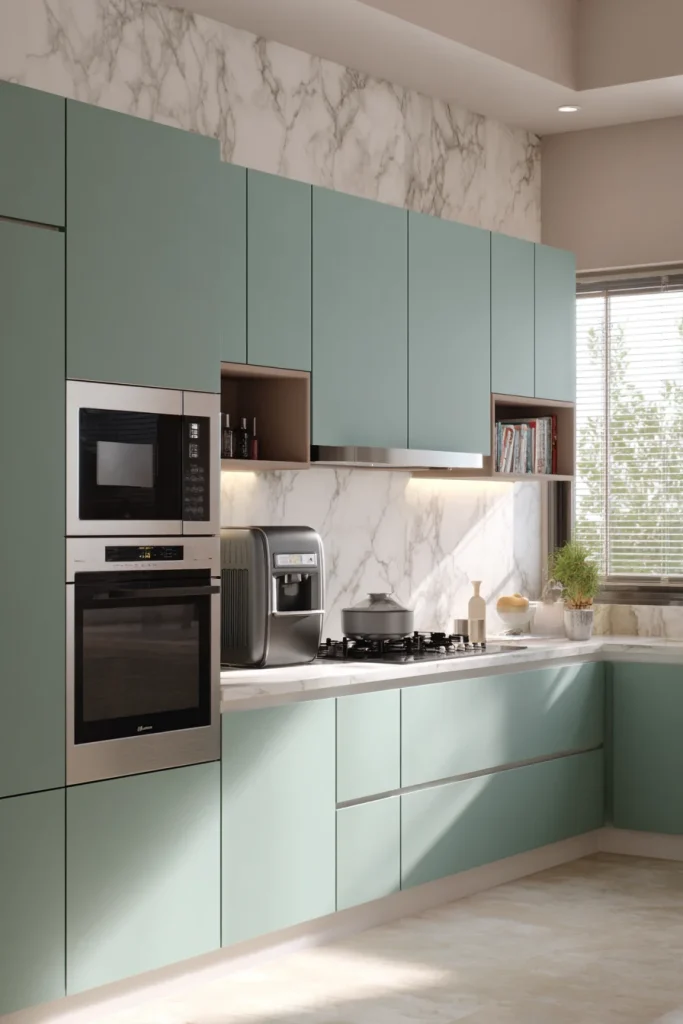
A lot of kitchens waste space on things that almost never get used. If you use the blender once a month, it should not live on the counter. If the air fryer gets used every day, it should be easy to reach.
Set up your storage around your real habits, not some ideal version of your life. That makes the kitchen work better for you.
This idea sounds small, but it changes how practical the room feels day to day.
12. Use hooks or rails for everyday tools
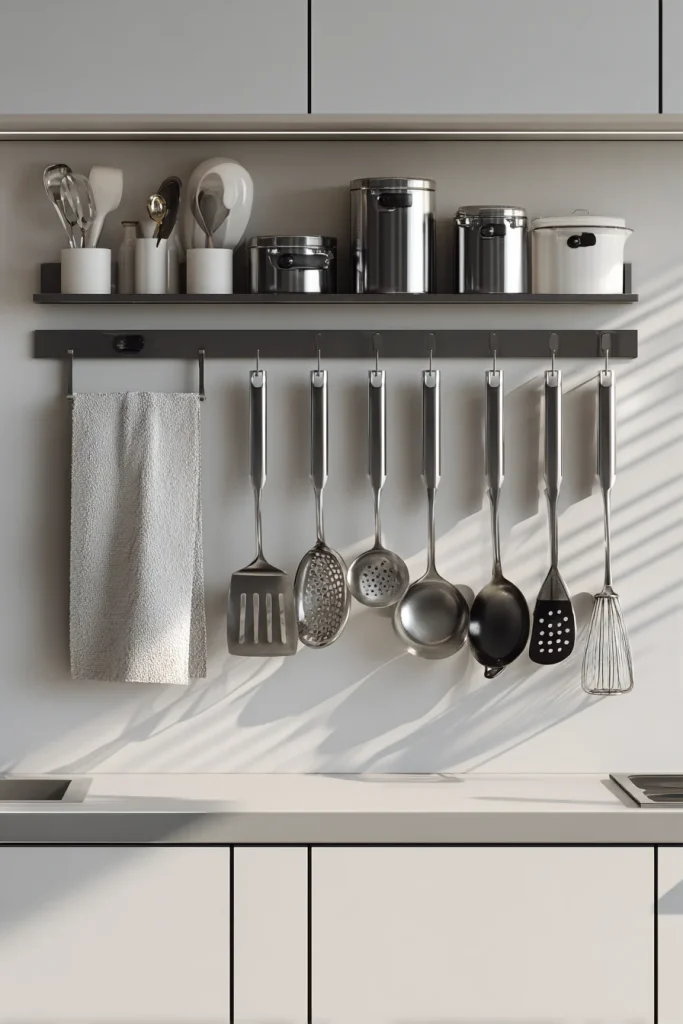
Hooks, rails, or magnetic strips can help keep daily tools close without creating chaos. This works well for items like pans, spatulas, knives, or towels.
The key is restraint. Do not hang everything. Just keep the tools you use all the time within reach.
This adds convenience and can free up drawer space at the same time.
13. Hide the trash and recycling
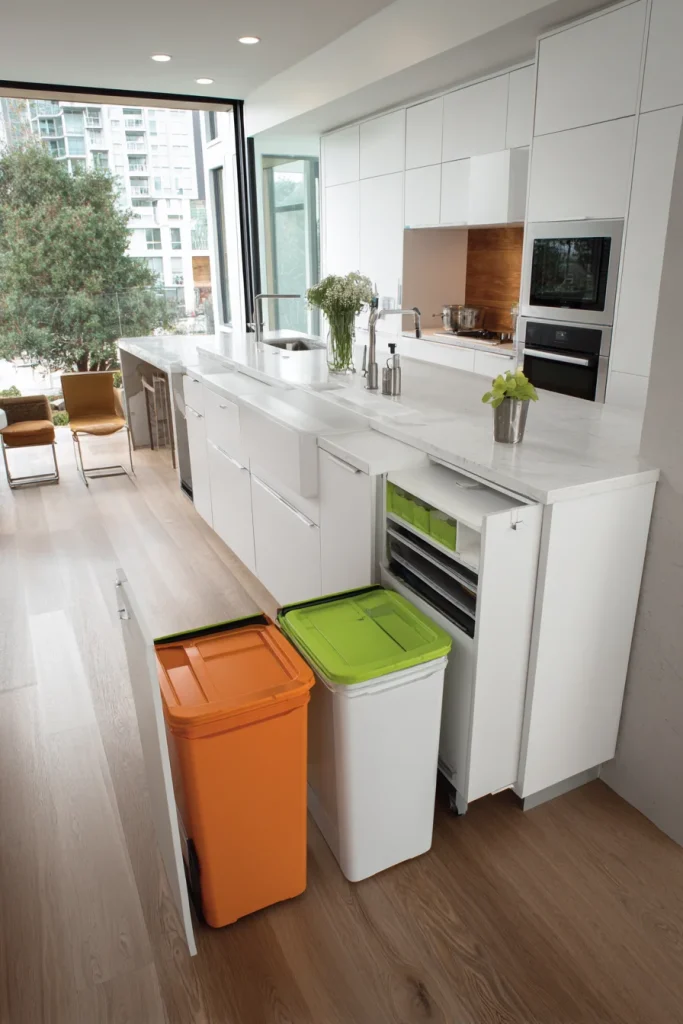
Few things make a kitchen look messy faster than visible trash bins. If possible, use pull out bins inside a cabinet. If that is not an option, choose simple bins that match the room and tuck them into a less obvious spot.
This improves the look right away. It also helps define the room as clean and controlled instead of random and overcrowded.
14. Use a backsplash that adds texture without noise
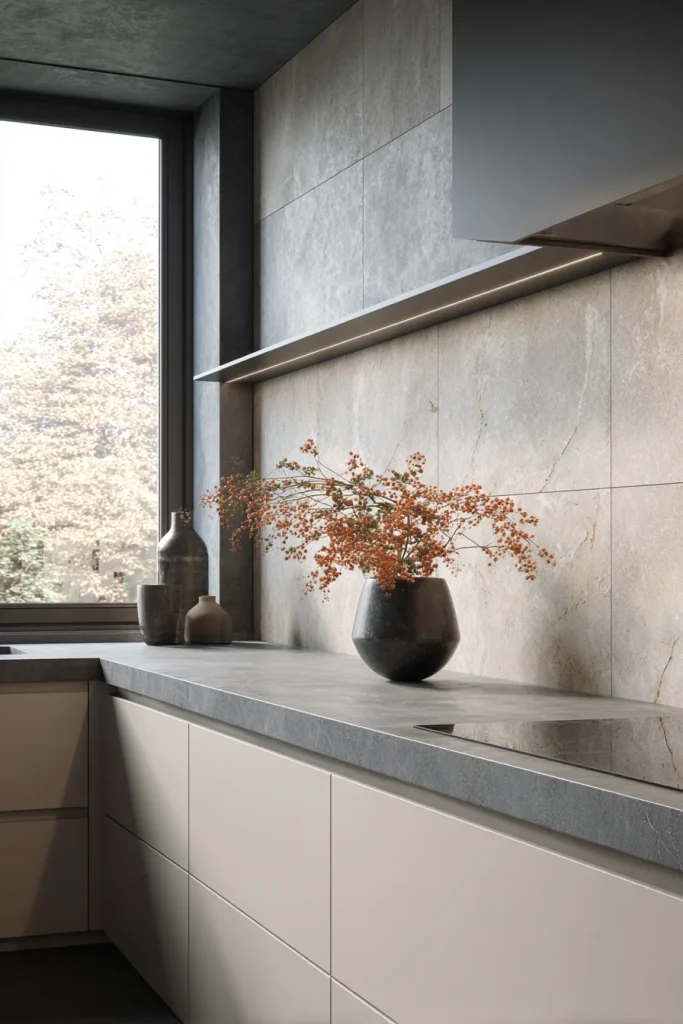
A backsplash is a good place to add detail, but it should still feel clean. Simple tile, stone, concrete look finishes, or large format designs usually work well.
Avoid patterns that feel too busy unless the rest of the room is very plain. A backsplash should support the kitchen, not fight for attention.
This helps the room keep a strong, functional feel.
15. Create a reset routine that takes five minutes
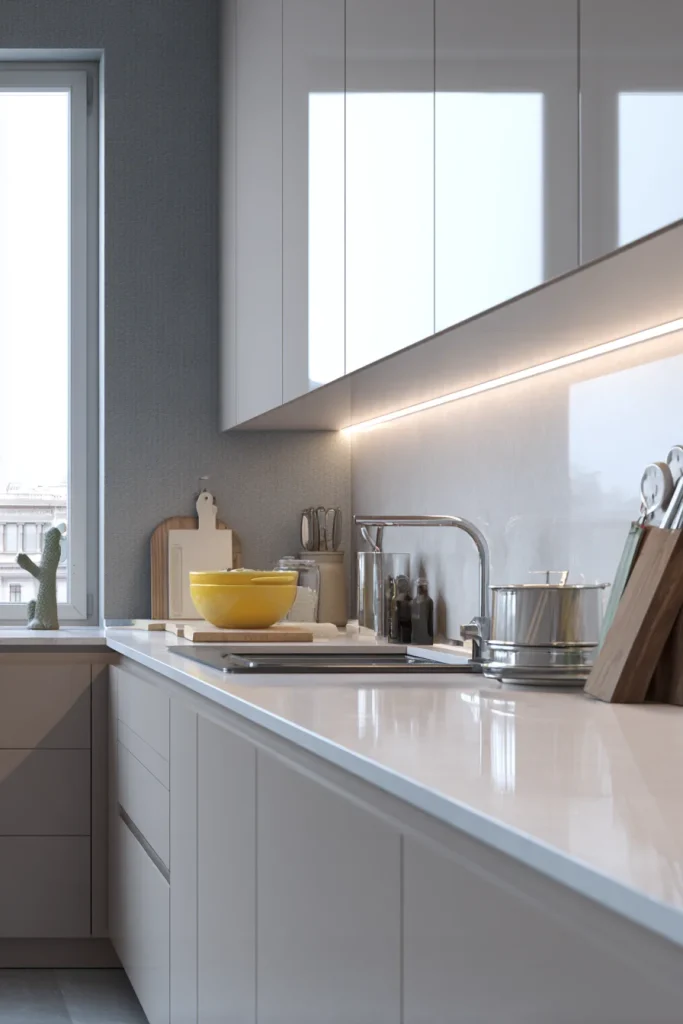
Even the best kitchen looks bad if it never gets reset. A simple daily routine keeps the space clean without much effort. Wipe counters. Put tools back. Empty the sink. Take out trash if needed. Do a quick floor check.
When the room is designed well, this reset gets easier. And when the reset is easy, the kitchen stays functional.
That is the real goal. Not a perfect kitchen. A kitchen that stays usable every day.
Conclusion
A clean functional kitchen is not about showing off. It is about making the room easier to use, easier to clean, and easier to live with.
Start with the basics. Clear counters. Better storage. Good lighting. Strong materials. Smarter zones. Then build from there.
The best kitchens do not just look good for one photo. They work well every day. That is what makes them worth it.

- 17 Classy Living Room Ideas for a Cozy Elegant Look - April 23, 2026
- 16 Dark Moody Living Room Ideas That Feel Rich and Warm - April 22, 2026
- 14 Elegant Bedroom Trends for 2026 You’ll Love - April 22, 2026