

Nothing kills a baking buzz faster than realizing you have no place to roll out a batch of croissants because your “counter space” is currently occupied by a toaster, a fruit bowl, and a bag of flour.
You know the struggle. You want to bake. But your kitchen was designed for general cooking, not the specific needs of someone who makes bread every weekend. The stand mixer sits on the counter, taking up a third of your workspace. Sheet pans don’t fit in the cabinet. You have a 25-pound bag of flour and nowhere logical to put it.
This guide offers 18 actionable ideas to fix that. You’ll find solutions ranging from simple weekend projects to smart investments. And everything here is relevant for 2026. We’re talking about trends like flexible spaces, smart surfaces, and the “dirty kitchen” concept. You don’t need a full renovation to make your kitchen work for you. You just need a plan.
Let’s get started.
1-5. Rethink Your Vertical Territory (Wall & Ceiling)
If your counter is covered in clutter, where are you supposed to look for more space? The answer is straight up. Your kitchen has a surprising amount of unused vertical real estate. Moving items off the counter and onto walls and ceilings frees up that critical horizontal surface where you actually work.
1. Install a Pot Rack for Pans
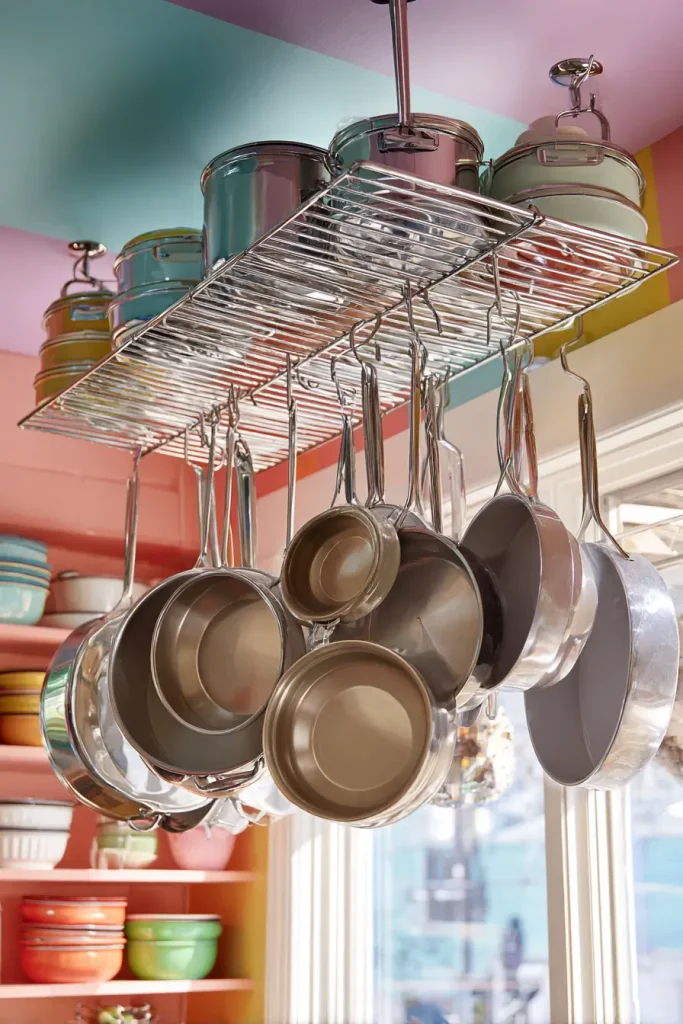
You probably think pot racks are just for, well, pots. But they’re perfect for baking sheets, cooling racks, and muffin tins. These items are awkward to stack and even worse to dig out of a deep cabinet. Hang a ceiling-mounted rack over an island or a rarely-used corner of the kitchen. Use S-hooks to hold pans vertically. This turns your clutter into functional decor.
2. Magnetic Knife Strips for Tools
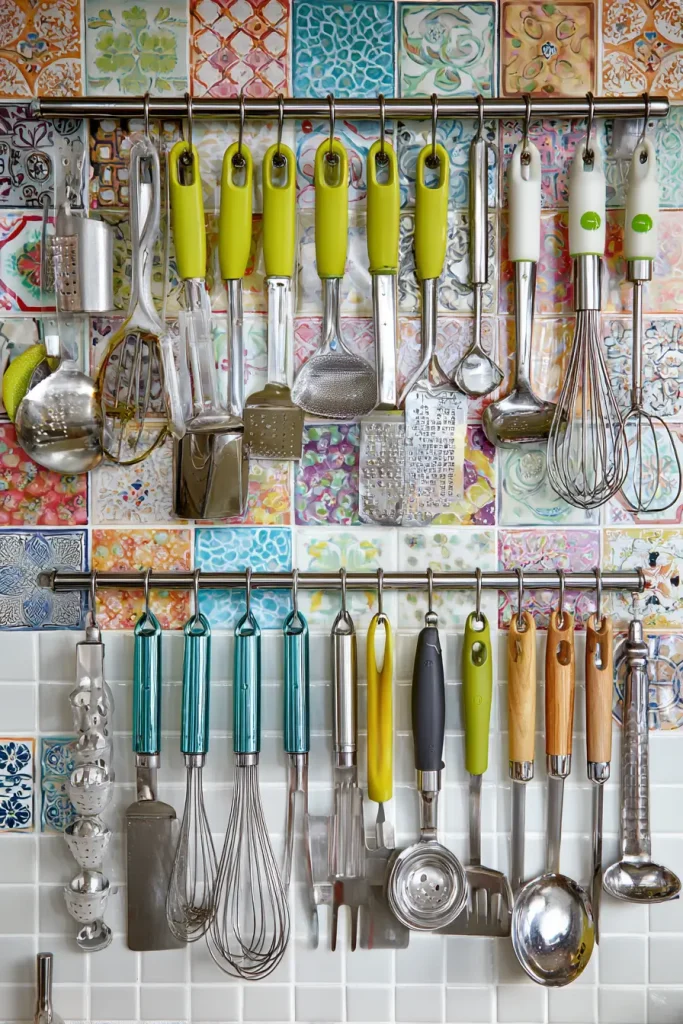
Grab a magnetic knife strip and mount it on your backsplash or inside a cabinet door. Then use it for more than knives. Bench scrapers, metal whisks, measuring spoons, and even piping tips (if they’re metal) will stick to it. This keeps your most-used tools in plain sight and within arm’s reach. You stop digging through a drawer to find your scraper when you need it most.
3. Pegboard Renaissance
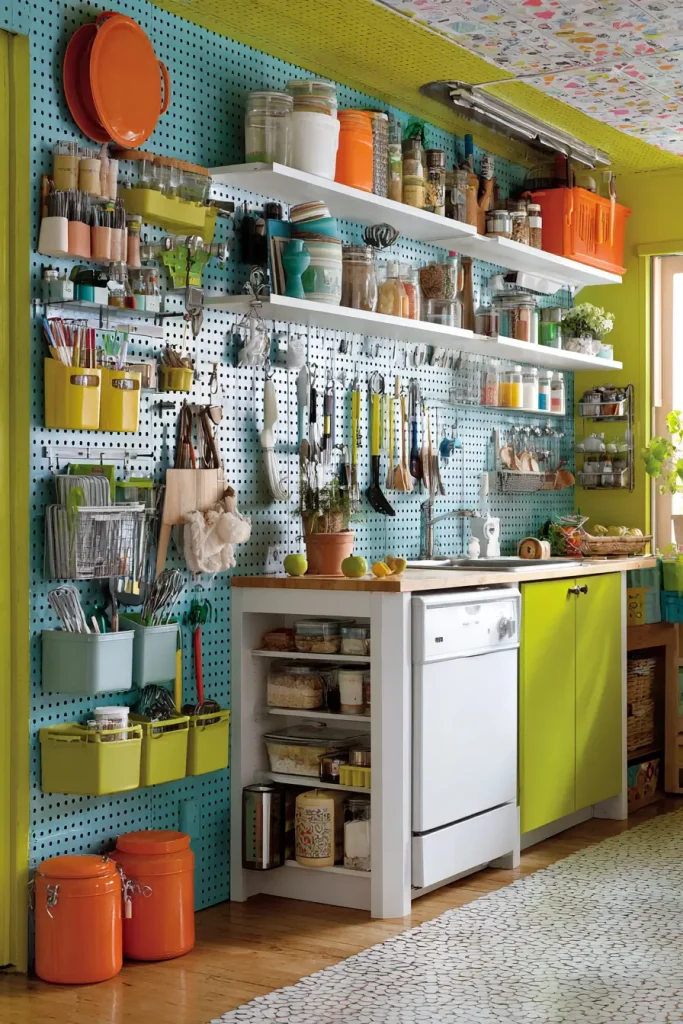
Pegboards had a moment in the 1950s, and they’re back for good reason. A custom-painted pegboard system on a blank wall creates a flexible storage wall for frequently used tools. You can arrange hooks, small shelves, and bins exactly where you need them. And when your tool collection grows, you just rearrange the pegs. No new hardware required. This works especially well in a narrow kitchen where cabinet space is limited.
4. Floating Corner Shelves
Corners are often dead zones. Take advantage of them with narrow floating shelves. Use them to display and store decorative bundt pans, mixing bowls, or jars of sprinkles. It keeps these items off the counter but still accessible. Plus, it adds visual interest to your kitchen.
Why this matters: The average kitchen has about nine square feet of unused wall space above the counter. Turning that into storage is one of the quickest wins you can get. The 2026 NKBA Trends Report notes that “visible storage” is gaining popularity over closed cabinetry because it’s more efficient.
6-10. Smart Storage Solutions & Cabinet Hacks
The typical base cabinet is a deep, dark void where baking sheets go to die. You know the feeling. You open the door, dig around, and pull out three pans you didn’t even know you owned. These five ideas transform your existing cabinets from chaos zones into organized systems.
5. Pull-Out Pantry for Dry Goods
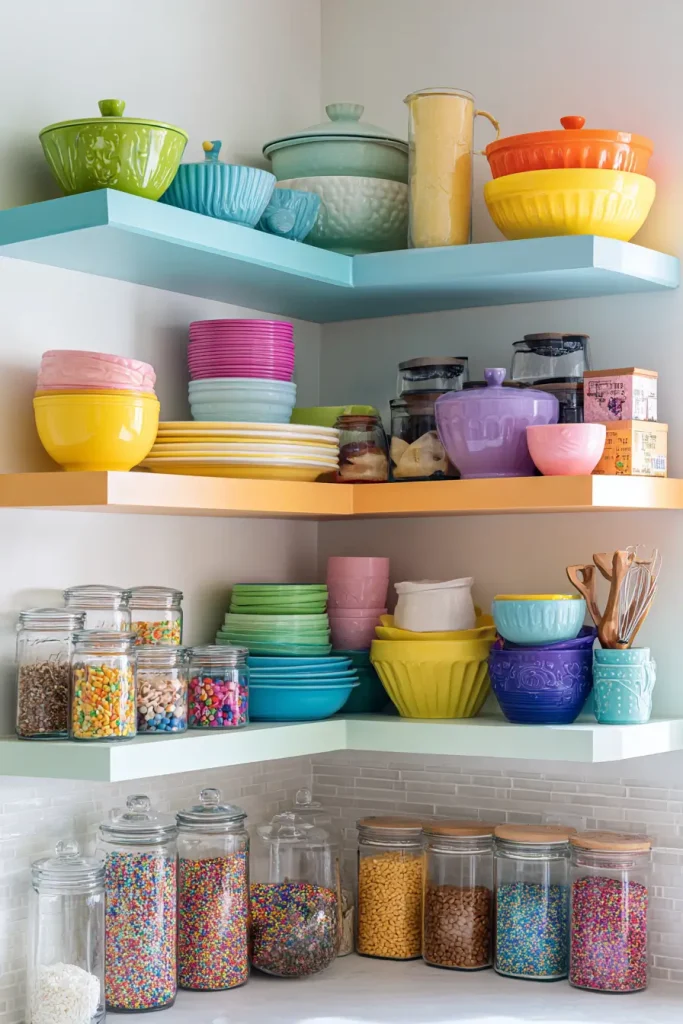
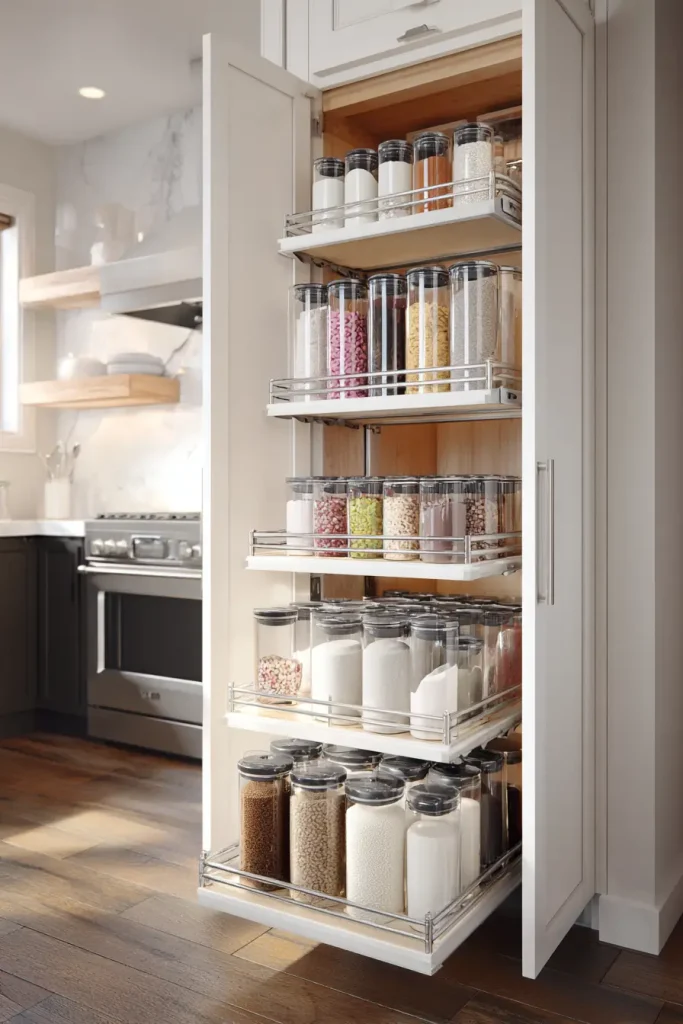
If you have a narrow cabinet (12 to 15 inches wide) that’s mostly wasted space, turn it into a pull-out pantry. This is a dedicated spot for your dry baking goods. Store flour bins, sugar, chocolate, sprinkles, and extracts on sliding shelves. When you open the cabinet and pull the shelf out, everything is visible. No more reaching into the back and knocking over a bag of powdered sugar.
6. Roll-Out Trays in Base Cabinets
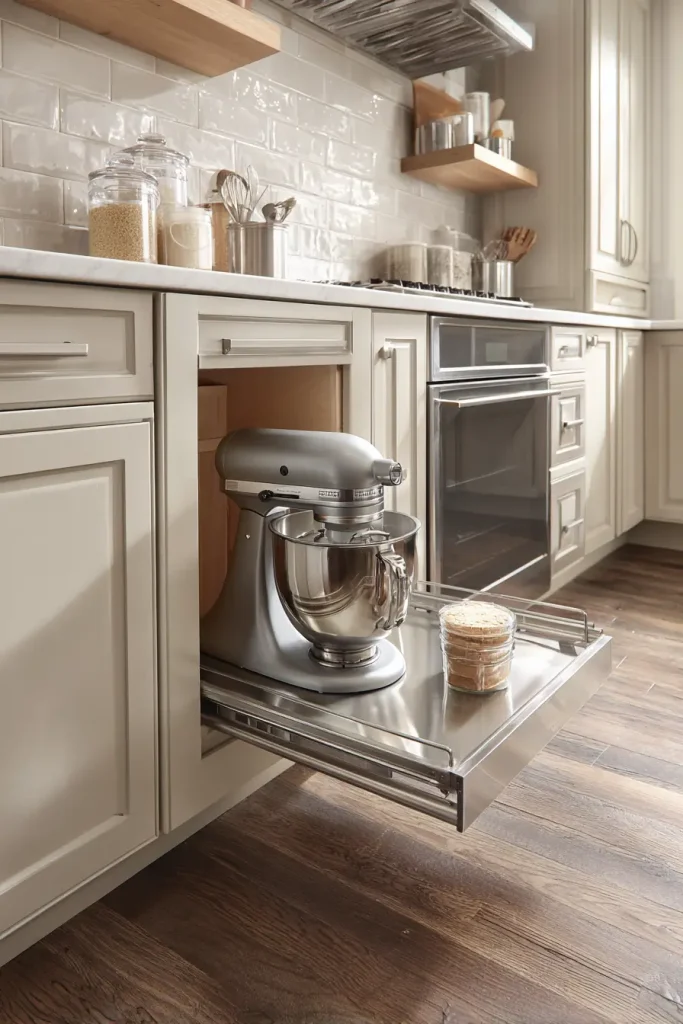
Heavy stand mixers and bulky appliances get lost in deep base cabinets. Retrofit those cabinets with heavy-duty roll-out trays or “Lazy Susans.” You simply pull the tray out to access the mixer, use it, and slide it back. This prevents you from having to lift heavy equipment over other items. It also makes the back of the cabinet usable again.
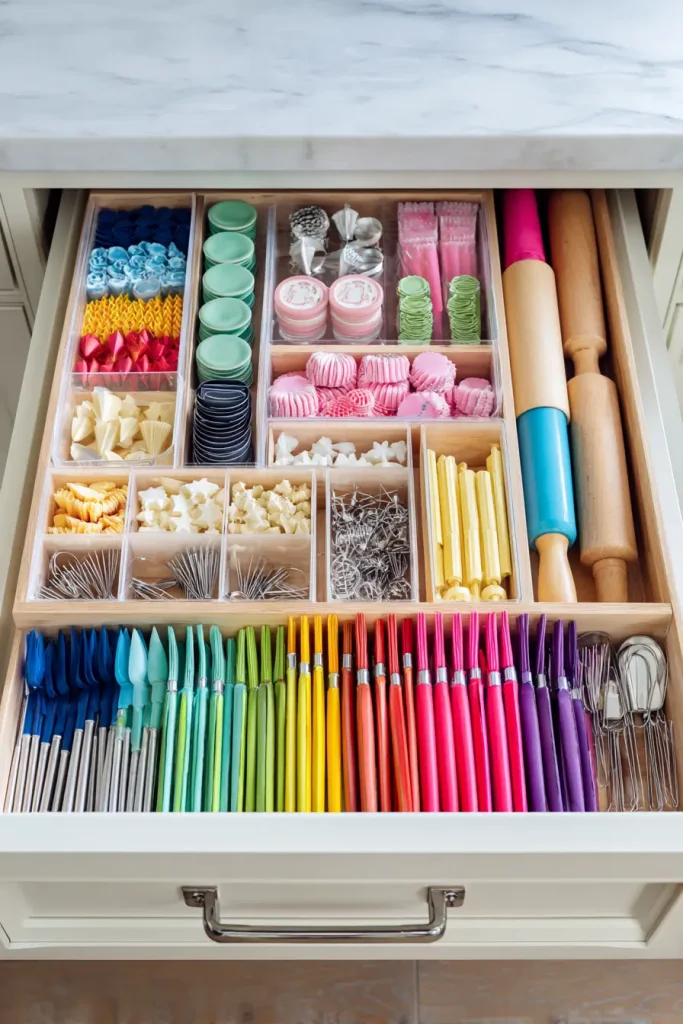
7. Drawer Dividers for Tools
Replace that “junk drawer” with a deep drawer fitted with custom dividers. This is the perfect home for piping tips, cookie cutters, rolling pin spacers, and pastry brushes. When you open the drawer, you see exactly what you have. You’re not digging through a pile of unrelated items to find the #12 round piping tip.
8. Appliance Garage for the Mixer
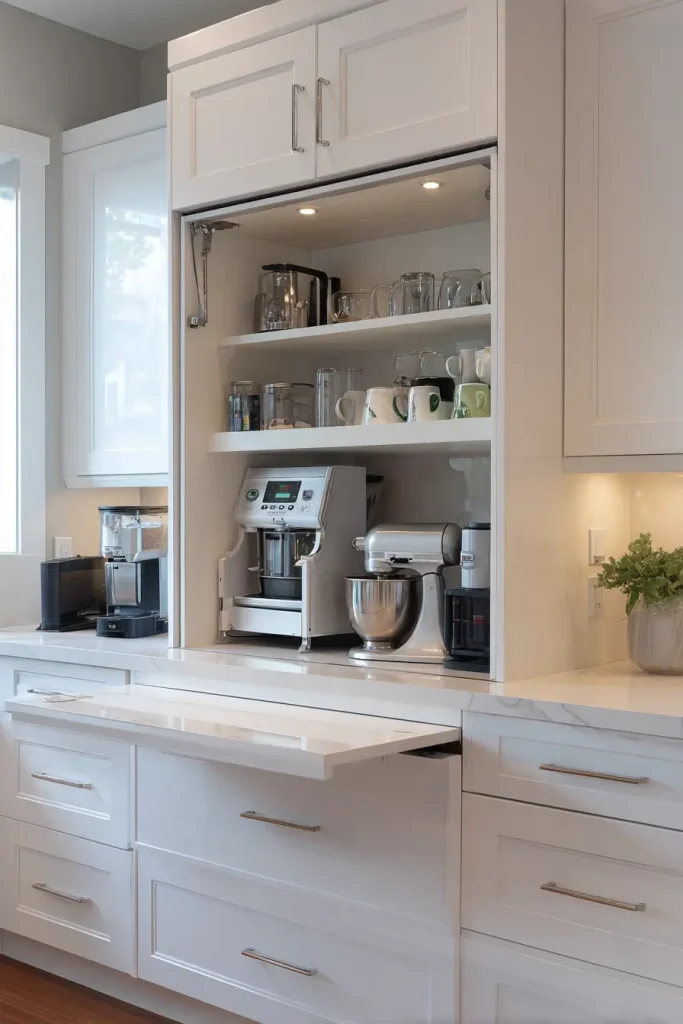
This is a bigger project, but it’s a game-changer. Build or install a retractable appliance garage with a lift mechanism for your stand mixer. When you’re not baking, the mixer is hidden behind a cabinet door. When you need it, you pull it out and the lift raises it to counter height. You instantly clear your counter space without having to lift the 30-pound mixer yourself.
9. Under-Cabinet Mounted Shelf
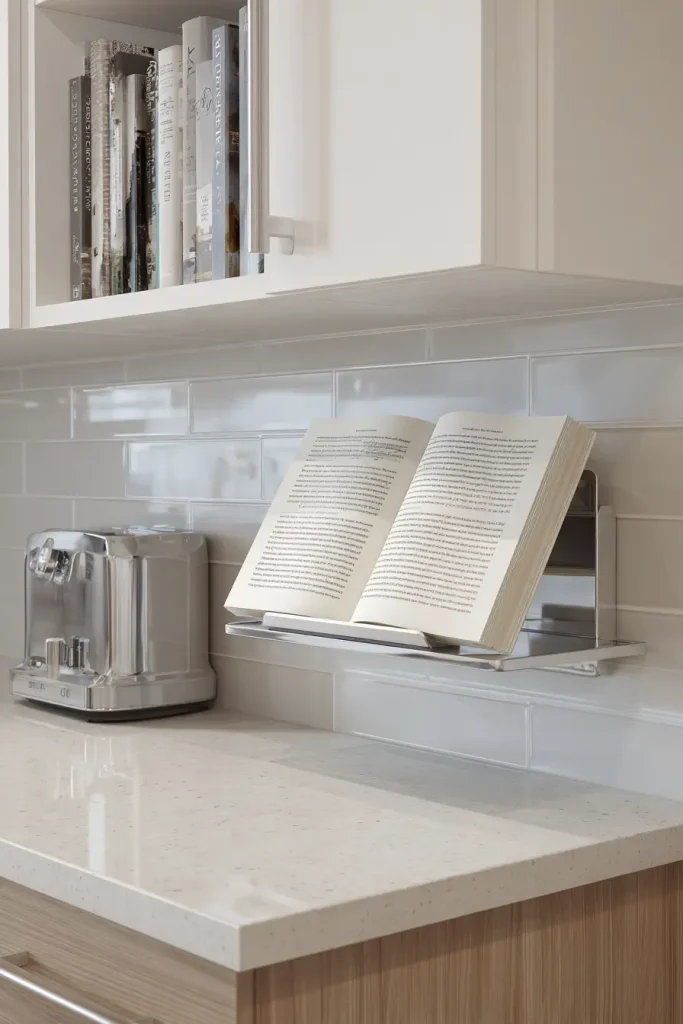
Install a small shelf that attaches to the bottom of your upper cabinet. This shelf holds a tablet or cookbook. It keeps your recipes at eye level and off your main work surface. This is a simple, low-cost fix that costs under $30 and saves you from flour-covered tablet screens.
Why this matters: According to the Houzz 2026 Kitchen Trends Report, 62% of kitchen renovators add roll-out shelves to improve accessibility. Products like the Rev-A-Shelf mixer lift have become industry standards because they solve a real problem: the struggle between accessibility and counter space.
11-13. Multi-Functional & Mobile Surfaces
Sometimes the best counter is one that appears only when you need it. These three ideas focus on flexibility. They let you scale your workspace up for a big project and back down for daily life.
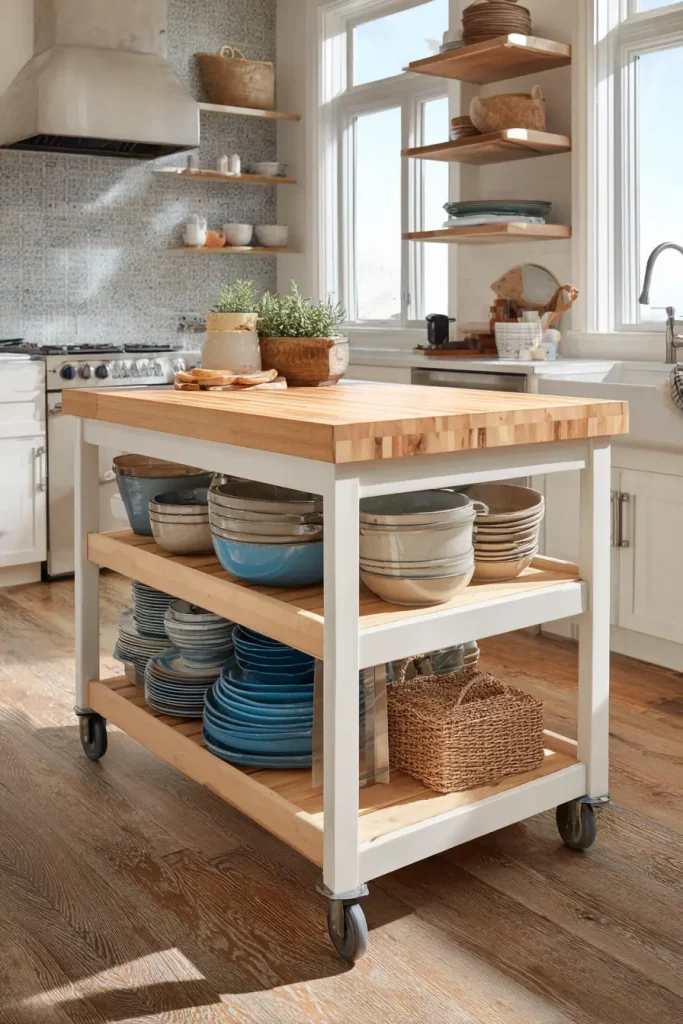
10. Butcher Block Island on Wheels
A portable kitchen island with a butcher block top is a baker’s best friend. It gives you a dedicated rolling surface for dough. It adds storage underneath for mixing bowls or sheet pans. And because it has wheels, you can tuck it into a corner or a pantry when you’re done. IKEA’s VADHOLMA (or a similar current model) is a classic example of this. Just remember that butcher block needs occasional mineral oil to stay in good shape.
11. Fold-Down Wall Table
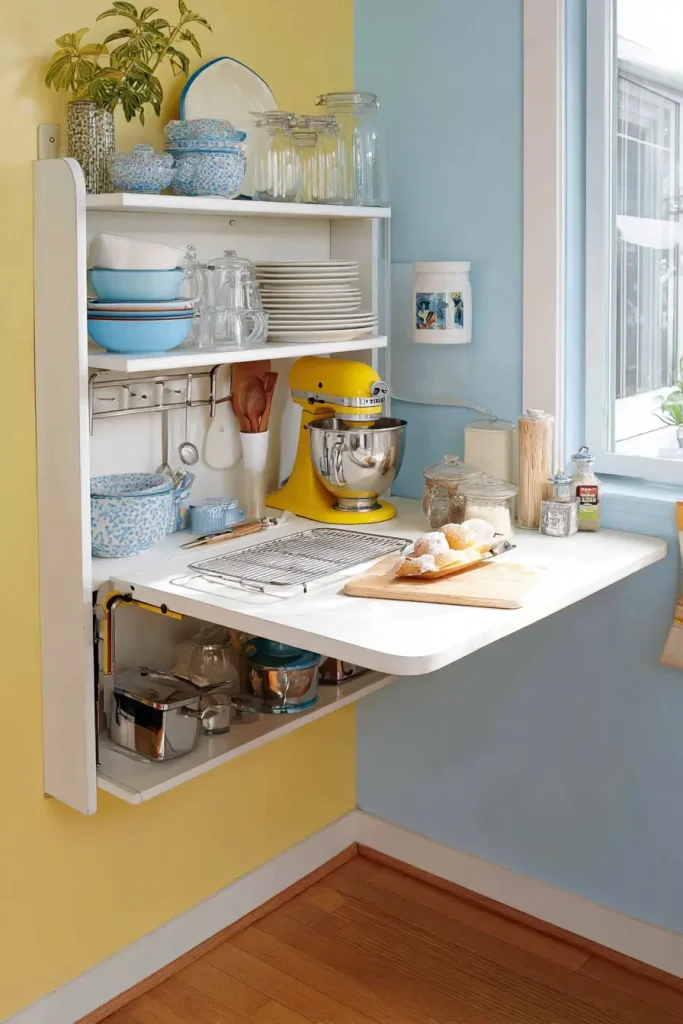
Got a narrow hallway or an unused nook near the kitchen? Install a Murphy-style fold-down table. When it’s up, it’s flush against the wall and takes up no space. When you’re baking, you fold it down and suddenly you have a temporary cooling rack station or a secondary prep area. It’s a great solution for small kitchens where a permanent island won’t fit.
12. Sink Cover Cutting Boards
When the sink is not in use, that’s prime real estate. Use a custom-fit cutting board or a set of bamboo slats that sit over your sink. This creates instant, flush counter space. You can use it to roll out dough or set up a cooling station. When you need the sink, you simply remove the cover and put it away. It’s a small trick that makes a big difference on busy baking days.
Why this matters: Flexible spaces are a major trend in 2026. Post-pandemic home design has emphasized mobility and adaptability. Being able to reconfigure your kitchen for different tasks reduces clutter and makes the space work harder for you.
14-16. Zone Your Kitchen for Baking Efficiency
Think of your kitchen like a restaurant kitchen. A pastry chef doesn’t run across the line to grab sugar. It’s in their station. Zoning your kitchen means grouping everything you need for baking into dedicated areas. This reduces steps, cuts down on mess, and makes the whole process smoother.
13. The Ingredient Zone
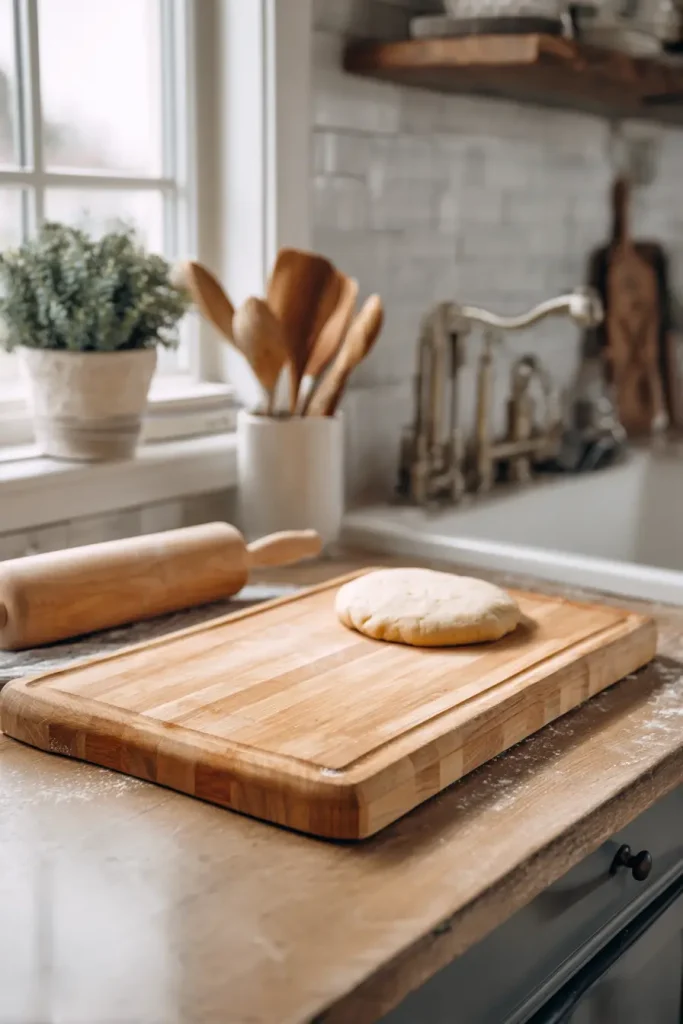
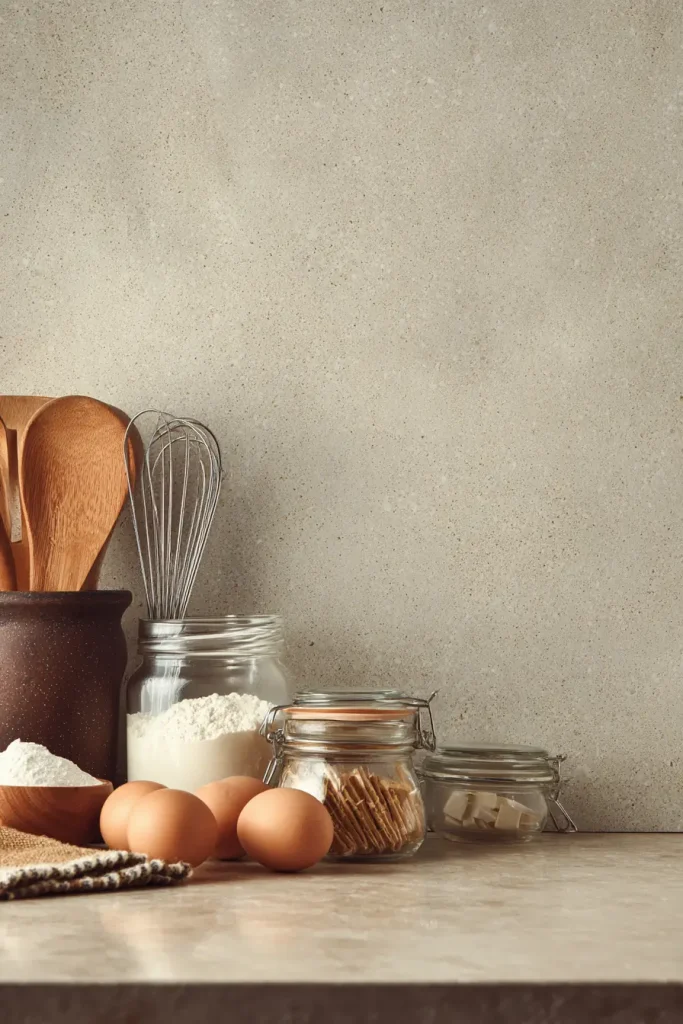
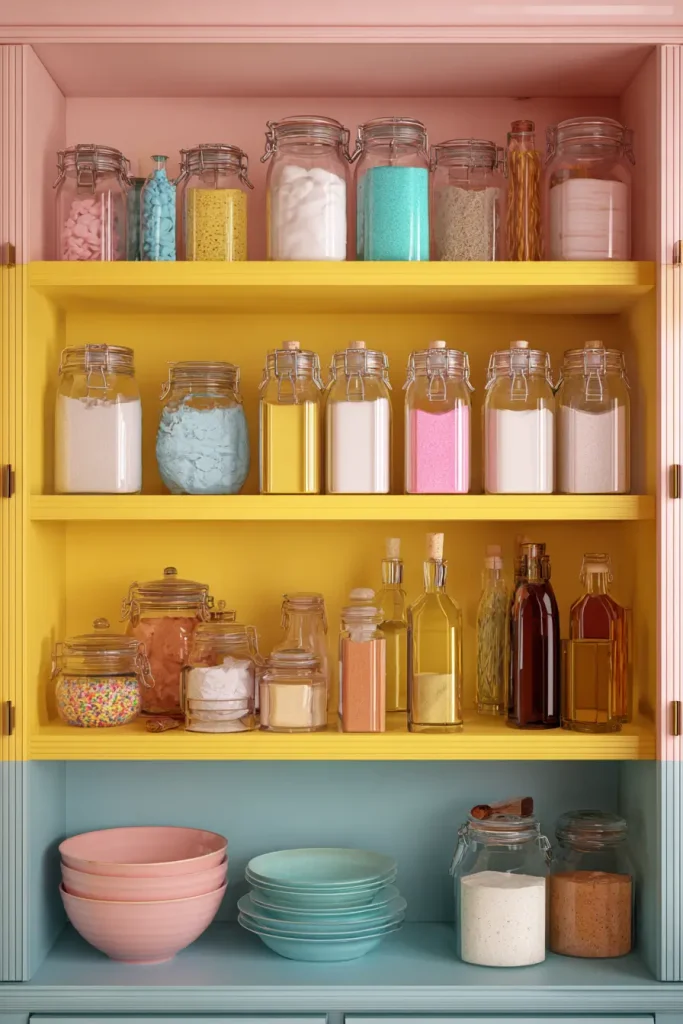
Pick one upper cabinet or a specific shelf in your pantry. Designate this as your baking ingredient zone. Keep all your flours, sugars, leaveners, and extracts together. This way, when you start a recipe, you grab everything from one spot. You’re not searching three different cabinets for vanilla extract.
14. The Landing Zone
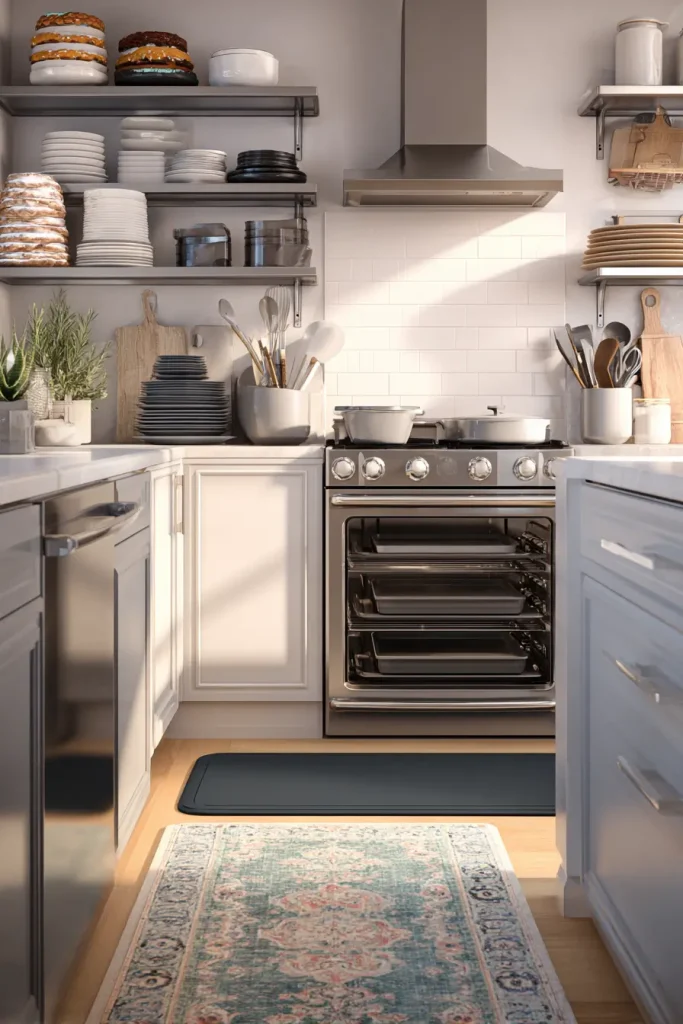
Create a dedicated cooling station near your oven. Use a heat-resistant mat on a specific section of the counter. This is where hot sheet pans and cake pans go when they come out of the oven. Having a designated spot keeps them out of your active work area and prevents you from having to juggle hot pans while you’re prepping the next batch.
15. The Dirty Kitchen Concept
For serious bakers or those with the space, consider the “dirty kitchen” or butler’s pantry trend. This is a secondary kitchen space—often hidden behind a door—equipped with a second sink and durable counters. You do all the messy work here: kneading, flouring, washing sticky bowls. Your main kitchen stays clean for serving and everyday meals.
Why this matters: Zoned kitchens reduce prep time by up to 30% because you’re not walking back and forth across the room. Articles from The Spruce and Apartment Therapy highlight zoning as a key strategy for efficiency in small spaces.
17-18. Tech & Material Innovations (2026 Focus)
As we move through 2026, the baker’s kitchen is getting a high-tech upgrade. These two ideas focus on the surfaces you work on and the materials they’re made from.
16. Smart Countertops
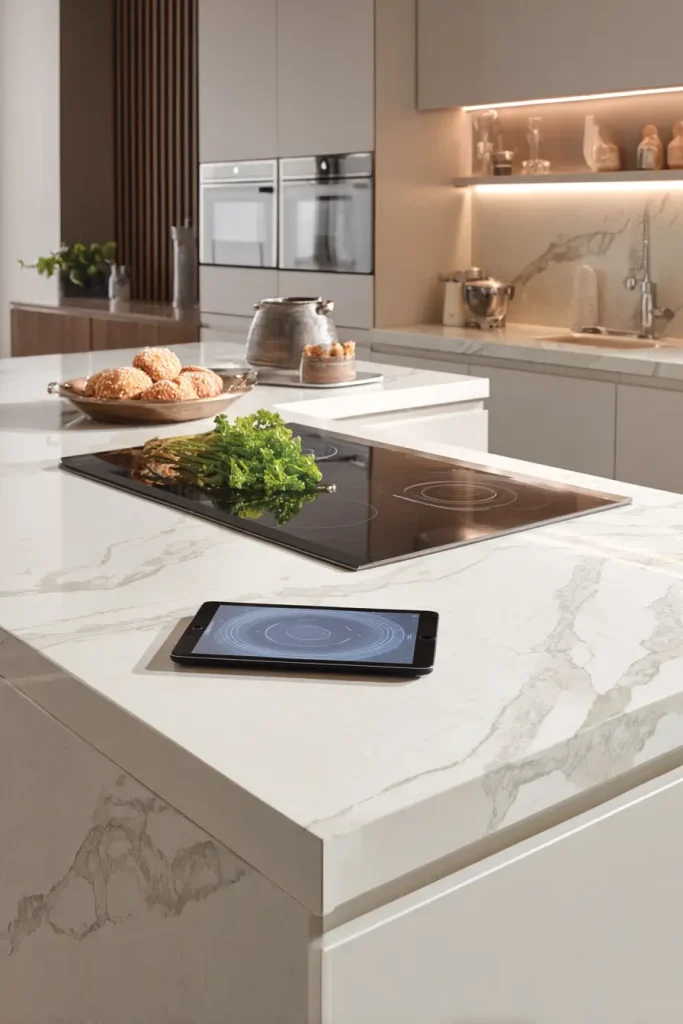
Imagine your countertop charging your tablet while you follow a recipe. That’s now a thing. Quartz and porcelain countertops with integrated wireless charging pads let you set your device down and have it stay powered up. No cords, no searching for an outlet, and no risking your tablet falling into a bowl of batter. It’s a small convenience that makes a real difference during long baking sessions.
17. Sustainable & Anti-Microbial Materials
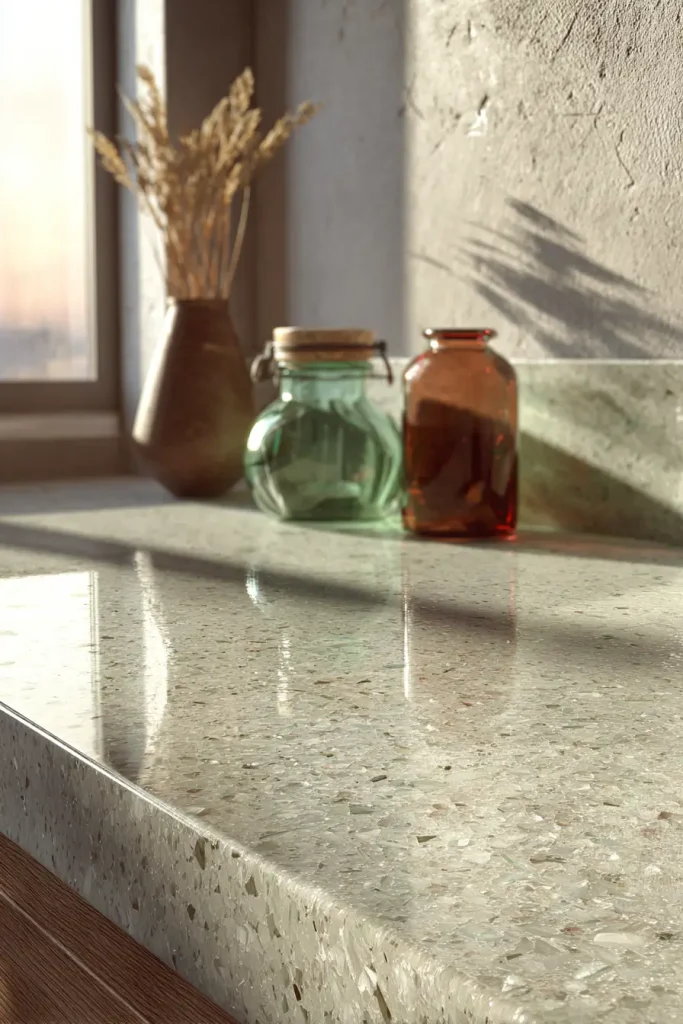
Your countertop is your main work surface. It needs to be durable, easy to clean, and heat-resistant. Materials like recycled glass or paper composite countertops (PaperStone is a common brand) are gaining popularity. They’re sustainable, non-porous, and naturally anti-microbial. That’s a big deal for bakers who worry about cross-contamination between raw dough and other ingredients.
Why this matters: According to a 2026 building material expo report, demand for sustainable countertop materials has increased by 40% in the last two years. Anti-microbial surfaces are a top priority for home cooks and bakers alike.
Conclusion
Optimizing a baker’s kitchen isn’t just about adding square footage. It’s about working smarter with the space you already have. You need to rethink vertical storage, invest in smart cabinetry, embrace mobility, and zone for workflow.
You don’t have to do all 18 things at once. Pick three ideas from this list to start with. Install a magnetic strip this weekend. Measure your base cabinets and order one roll-out tray. See how it feels. Then, tackle a bigger project like a pull-out pantry or a mobile island.
By implementing even a few of these 18 kitchen ideas for bakers, you’ll reclaim valuable counter space, unlock smarter baking storage solutions, and finally enjoy a kitchen that works for your passion, not against it.

- 17 Classy Living Room Ideas for a Cozy Elegant Look - April 23, 2026
- 16 Dark Moody Living Room Ideas That Feel Rich and Warm - April 22, 2026
- 14 Elegant Bedroom Trends for 2026 You’ll Love - April 22, 2026