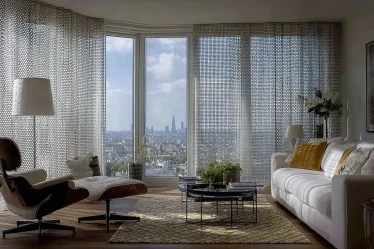

Introduction
The kids are gone, but your living room still looks like a waiting room for a family that no longer lives here full-time.
You spent years picking stain-resistant fabrics. You bought a giant sectional for sleepovers and soccer team snacks. You filled storage bins with toys and DVDs. Now the room feels oversized. It feels mismatched. And it doesn’t match how you actually live.
You want quiet mornings with coffee. You want book clubs with friends. You want movie nights for two. Maybe you’re thinking about aging in place, too.
This guide gives you 15 specific updates for 2026. You’ll learn furniture swaps, lighting tricks, and simple smart-home changes. No renovation required. Just a real refresh.
These living room ideas for empty nesters focus on downsizing living room layout, adult-focused home design 2026, and a functional living room for aging in place.
1. Shrink the Seating Without Losing Comfort

That massive sectional made sense for sleepovers. Now it’s just you, a throw pillow mountain, and six feet of unused cushion.
Here’s what works better. Swap the sectional for two swivel armchairs and a love seat. You get the same seating for guests. But you free up floor space. The room feels larger and calmer.
Before you shop, do this tonight. Measure how much of your sofa you actually sit on. Most empty nesters use only 40% of their current seating. That’s from a 2025 Houzz study.
Another stat to consider. Houzz found that 62% of empty nesters removed at least one large piece of furniture within two years of kids moving out.
Start here: This week, remove one side chair or one seat cushion. Live with the space for 48 hours. You’ll feel the difference.
2. Raise Your Comfort Level with Ergonomic Upgrades

Getting up from a low sofa shouldn’t be a core workout.
Look for lift-assist chairs. They don’t look medical anymore. Brands like Stressless and Ekornes make stylish ones. Also check your seat height. You want 18 to 20 inches from the floor. That makes standing easier.
Power lumbar support is another smart add. It helps your lower back during long movie nights.
By 2026, AARP says 78% of adults 55 and older want to age in place. And ergonomic living room furniture sales grew 34% over last year, according to Furniture Today.
Mary Jo Peterson is a CAPS-certified designer. She says, “The days of sacrificing style for function are over. My empty nester clients now ask for ‘invisible accessibility’ first.”
Start here: Measure your sofa seat height tonight. If it’s below 17 inches, start looking for a replacement.
3. Convert the Play Zone into a Hobby Nook

Remember that corner where toys lived? It’s empty now. Or worse, it’s collecting random boxes.
Turn it into a hobby nook. Add a small table for puzzles. Put a reading chair with a good lamp. Or make a plant stand with grow lights.
Use a rolling cart to store current hobby supplies. Keep it visible but tidy. Task lighting is key here. A swing-arm sconce or adjustable floor lamp works great.
Here’s a real example. The YouTubers at “The Nesterhood” posted an episode called “We Turned Our Toy Corner Into a Vinyl Listening Station.” It got 12,000 views in March 2026.
Start here: Clear out that corner tomorrow. Put one thing you enjoy there. Just one. A single chair. A puzzle board. A record player.
4. Swap Family Photos for Grown-Up Gallery Walls

You love your kids. But you don’t need 47 photos of their school pictures in your main living room.
Remove 80% of the child milestone photos. Keep two or three favorites and move them to a hallway or bedroom. Replace them with travel art, abstract prints, or botanical illustrations.
Use matching frames. That creates cohesion instead of a chaotic collage.
Where to find good art? Try Juniper Print Shop. Or Minted’s 2026 “Wanderlust” collection. Both have museum-quality prints at fair prices.
Start here: Take down half your family photos this weekend. Stack them in a box. See how the wall feels for one week.
5. Layer Lighting for Evenings (Not Overheads)

That single ceiling light fixture is making your room feel like an airport terminal.
You need three layers of light. Ambient light from a dimmable floor lamp. Task light for reading. Accent light from a picture light or cove LED.
Use smart bulbs with a warm preset. Look for 2700K. Avoid blue light after 6 PM. It messes with your sleep.
Remove “boob lights” or any builder-grade ceiling fixtures. They cast harsh shadows.
Here’s why this matters. The Lighting Research Center found that adults 55 and older need two to three times more contrast for depth perception. Layered lighting reduces fall risk by 41%.
Start here: Turn off your overhead light tonight. Use only floor and table lamps. Notice how different the room feels.
6. Install Smart Controls You’ll Actually Use
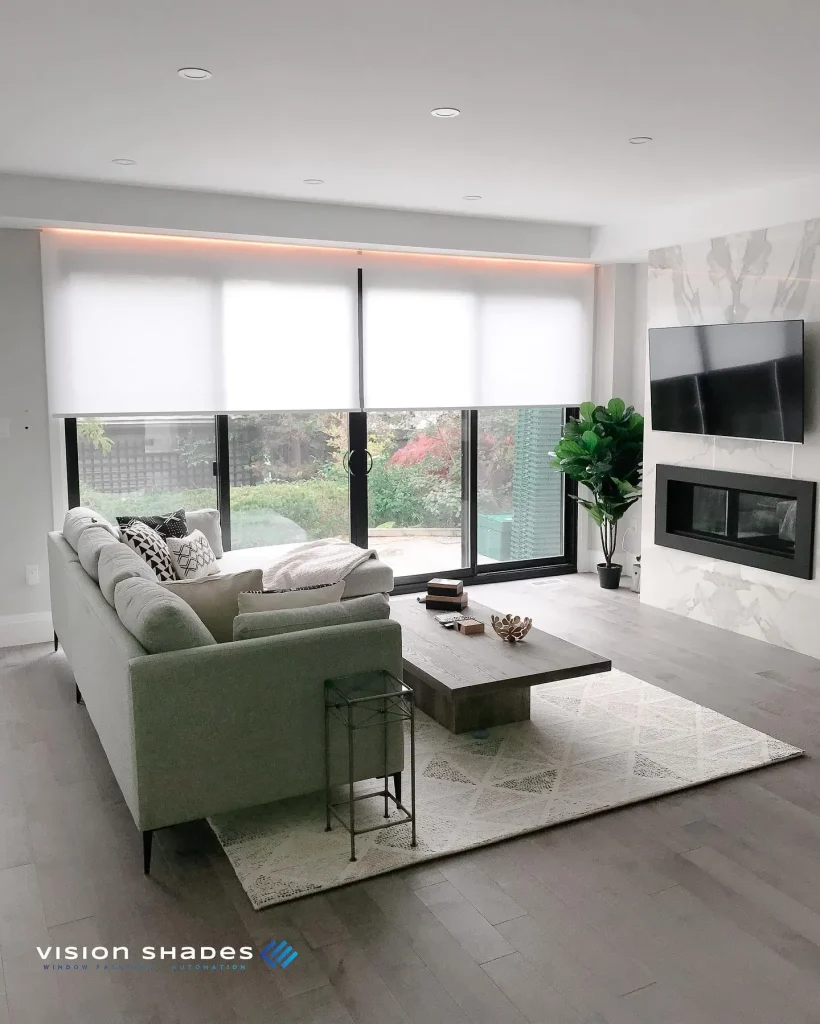
You don’t need a whole smart home system. That’s overwhelming and expensive.
Start with one voice-activated plug for a single lamp. Amazon and Apple HomeKit both make good ones for about $40.
Add motorized blinds for hard-to-reach windows. Then set up scenes. “Movie night” can dim the lights and lower the thermostat two degrees.
Barbara O’Neal teaches tech for Older Adults Tech Services. She says, “Empty nesters over-invest in smart home tech and then abandon it. One routine at a time wins.”
The AARP 2026 Home Technology Guide agrees. Start with a $40 smart plug and a free app.
Start here: Buy one smart plug this week. Plug in a lamp you use every evening. Set it to turn on at sunset.
7. Add a Coffee Table That Works for Two
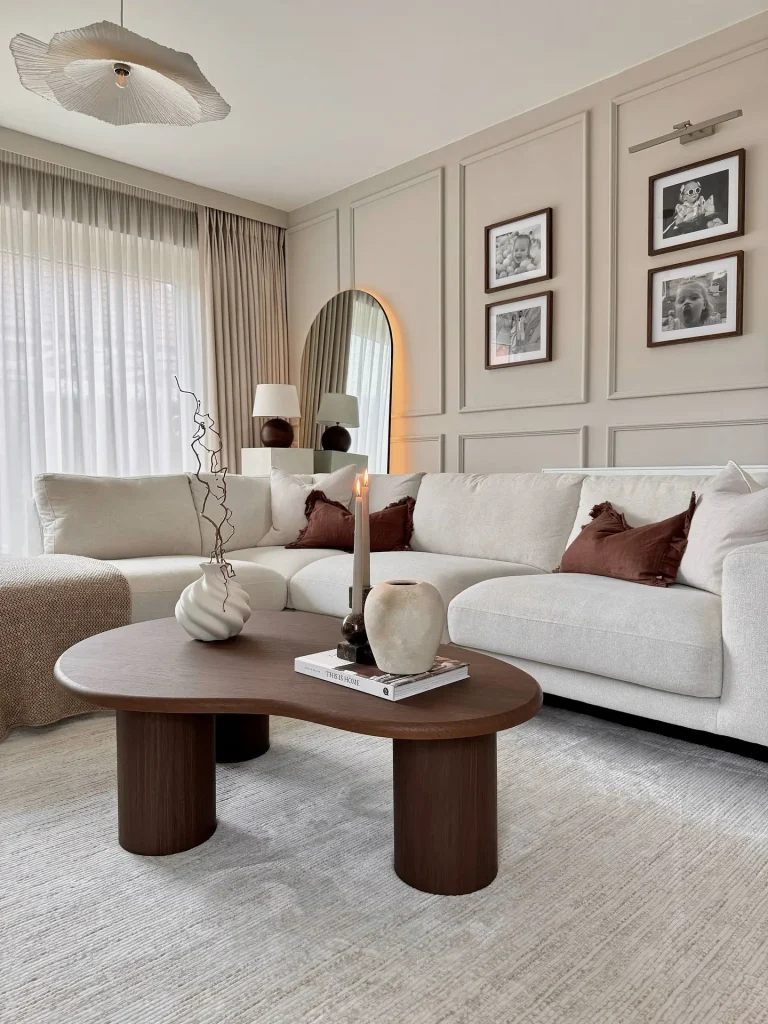
Your old coffee table is probably too big. Or too low. Or covered in scratches from board games.
Get a lift-top coffee table. The top raises up to become a desk or dining surface. Great for eating dinner while watching TV. Inside storage holds remotes, books, and cords.
Round or oval tables remove sharp corners. That’s a safety win. Size rule: the table should be two-thirds the length of your sofa. Height should be 16 to 18 inches.
Walker Edison and Sauder both offer 2026 lift-top models under $250. Some have USB ports.
Start here: Measure your current coffee table. Is it higher than your sofa seat? If yes, it’s time to replace it.
8. Zone the Room for Two Activities at Once

You’re both home. But one of you wants to read. The other wants to watch TV. That’s a zoning problem, not a relationship problem.
Use area rugs to define zones. One rug for the TV area. Another rug for a reading corner. Float your sofa away from the wall. Then you can put a narrow desk or console table behind it.
A folding screen or a low bookshelf can act as a subtle divider. Nothing permanent. Just enough to separate the spaces.
The National Association of Home Builders surveyed empty nesters in 2025. Fifty-eight percent said they want “flexible living rooms for parallel activities.”
Start here: Move your sofa two feet away from the wall this weekend. Put a small table behind it. See if that creates a new zone.
9. Replace Kids’ Art Storage with a Grown-Up Bar or Beverage Station

That cabinet full of old crayon drawings and macaroni art? Clear it out.
Put a small console table there instead. Add a coffee maker, a small wine fridge, or a water carafe with glasses. Install glassware hooks above to use vertical space.
Hide all cords in a single cable box. One black box keeps everything tidy.
Pottery Barn’s 2026 “Parrish Console” was designed specifically for empty nester beverage stations. But any narrow table will work.
Start here: Empty that cabinet today. Donate or toss the kids’ art (keep one memory box). Then measure the space for a console table.
10. Choose Rugs That Are Easier to Clean (Not Kid-Proof)

You don’t need rug that survives juice boxes and muddy shoes anymore.
Look for wool or polypropylene flatweave rugs. Avoid high pile. That’s a tripping hazard. Washable rugs from Ruggable or Tumble are fine. But skip the giant 9×12 size. Use two smaller rugs instead.
One more tip. Use contrast. A light rug on a dark floor helps with depth perception. That matters as you age.
Start here: Walk across your current rug. Do your feet catch on the edge? If yes, replace it with a flatweave.
11. Remove Visual Clutter with Closed Storage
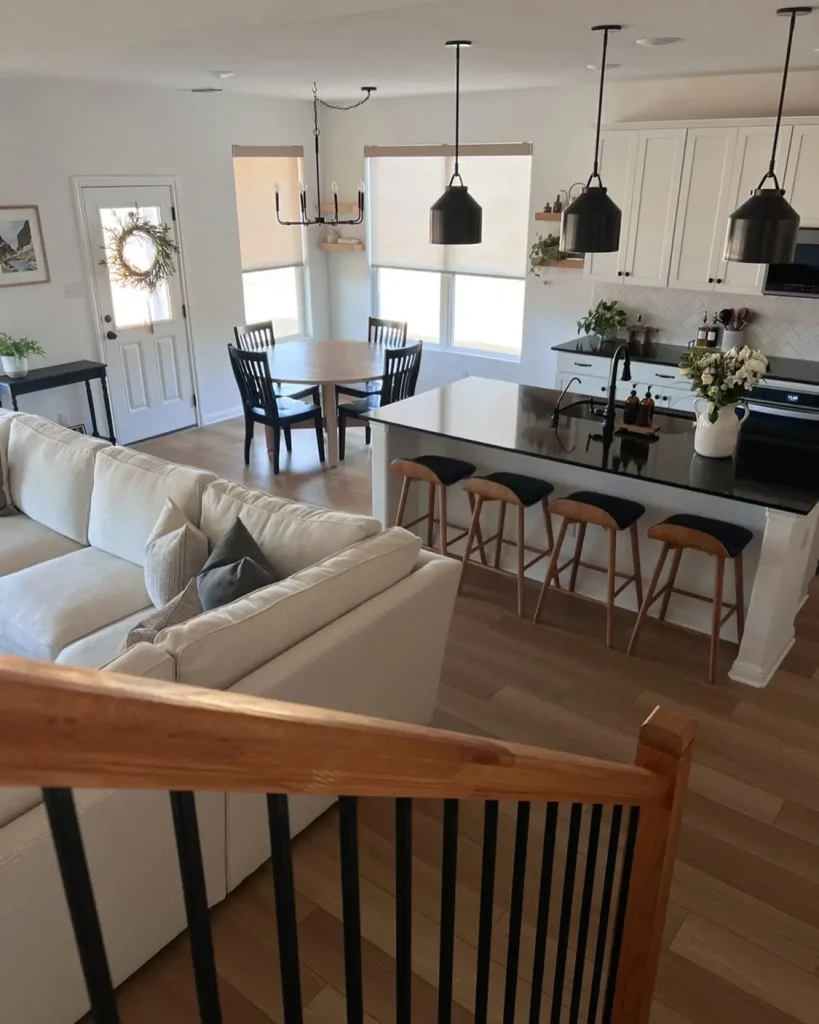
Open shelves full of old DVDs and board games make a room feel busy. And not in a good way.
Get a media console with doors. Hide everything inside. Cables, remotes, DVD remnants, board games. All of it.
Floating cabinets below windowsill height work well too. And here’s a trick. Label the inside of the doors. Yes, for you. It helps with memory as you get older.
UCLA’s Center on Everyday Living reanalyzed a 2024 study. They found that clutter increases cortisol in adults 55 and older by 28%. Less clutter means less stress.
Start here: Pick one shelf or cabinet in your living room. Close it. If it won’t close because it’s too full, remove half the items today.
12. Paint or Wallpaper One Wall in a Calm, Deep Tone

You don’t need to paint the whole room. One accent wall is enough.
For 2026, the colors are dried eucalyptus, warm taupe, and muted terracotta. Put the accent wall behind your main seating. Not behind the TV. The TV already draws attention.
Use a matte finish. It reduces glare from windows and lamps.
Sherwin-Williams released their 2026 Colormix forecast called “Grounding.” Those samples are available in stores starting March 2026.
Start here: Buy a sample pot of one color. Paint a two-foot by two-foot square on your wall. Live with it for a week.
13. Swap Floor Lamps for Wall Sconces (Save Floor Space)

Floor lamps tip over. They take up space. And cords are trip hazards.
Replace them with wall sconces. You can get hardwired ones or plug-in versions. No electrician needed for plug-in sconces.
Place them 60 to 66 inches from the floor. Swing-arm sconces work best next to reading chairs.
IKEA’s 2026 NYMANE plug-in sconce costs $29.99. Wirecutter rated it best for renters and downsizers.
Start here: Count your floor lamps. If you have more than two, pick one to replace with a plug-in sconce.
14. Create a “Conversation Circle” – Not a TV Focus
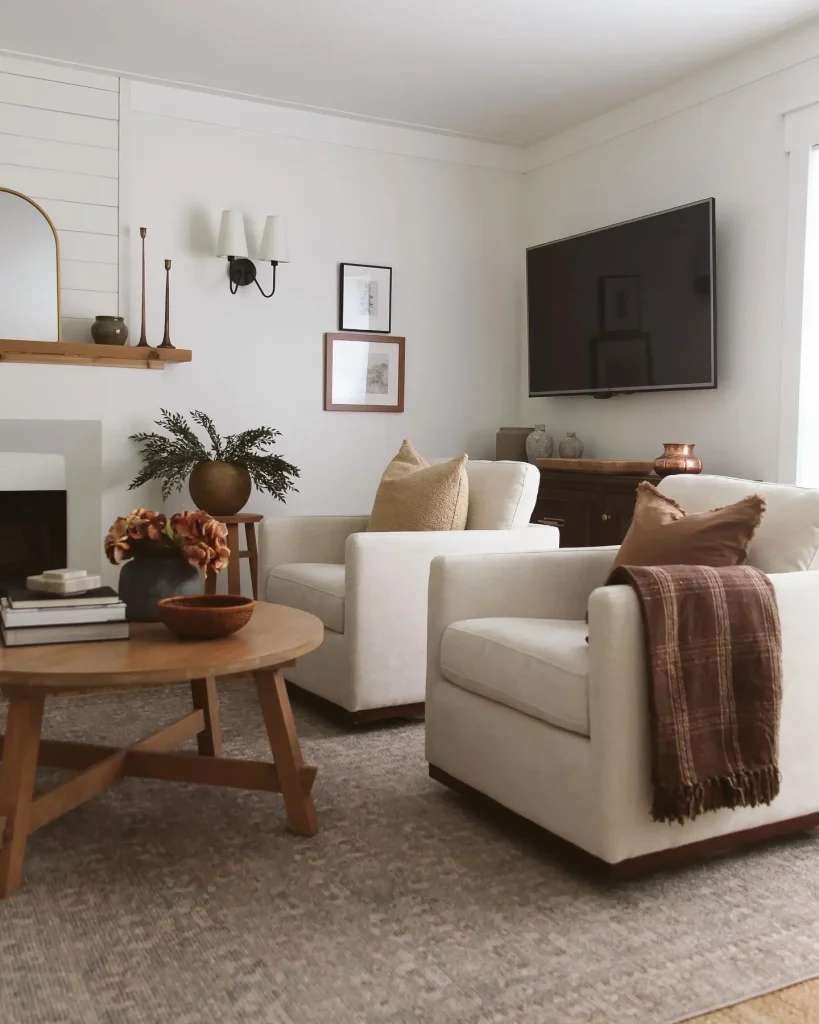
Right now, every chair probably points at the TV. That’s not great for hosting friends.
Rearrange the seating so chairs face each other. Move the TV to a swivel mount on a side wall. Then you can turn it toward the seating when you want to watch. Or turn it away when you want to talk.
Add a small side table between every two seats. People need a place to put their drink.
The 2025 AARP Livability Index found something interesting. Empty nesters who rearranged seating for conversation reported 34% higher social satisfaction.
Start here: This weekend, move two chairs so they face each other. Leave them like that for three days. See if you talk more.
15. Bring in One “Just Because” Luxury Piece
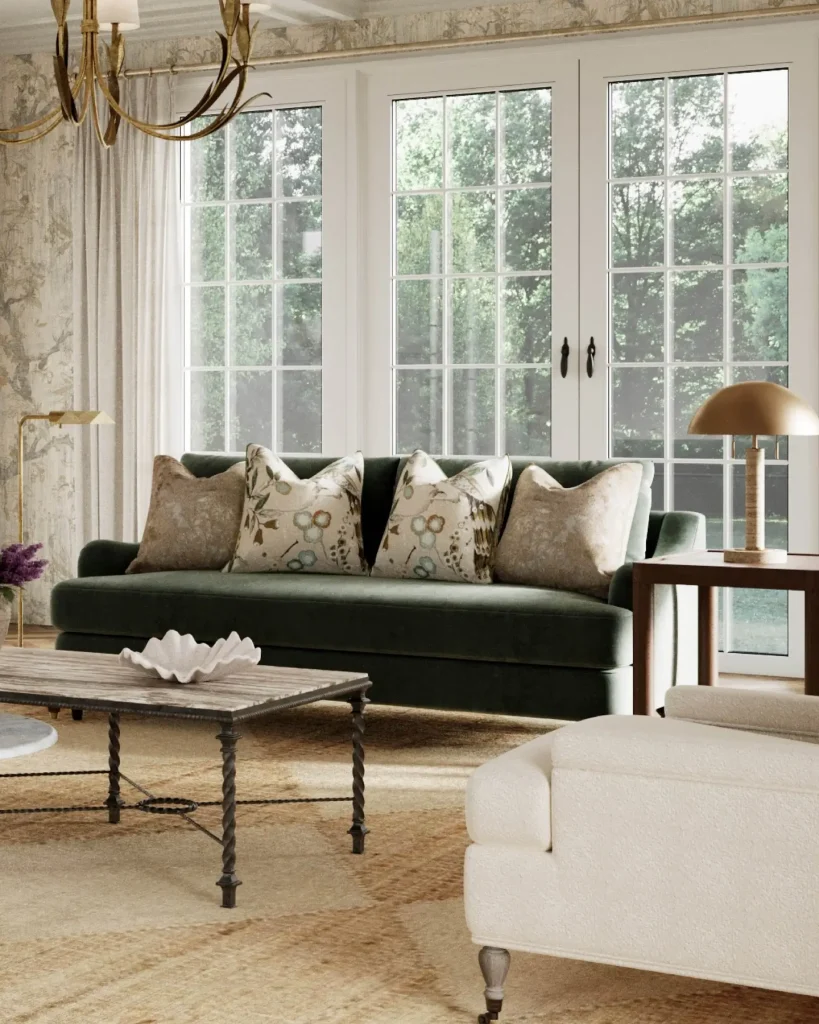
You’ve earned this. After years of buying practical furniture, buy one thing just for joy.
A single velvet chair. An original art piece from a local artist. A wool throw that feels amazing. Nothing practical. No storage. No durability requirements.
Budget $200 to $500 for this line item.
Article makes a “Culla Velvet Swivel Chair” for $399. Modern Luxury Interiors rated it top for empty nesters in 2026.
Start here: Set aside $50 this month. Keep adding until you have $400. Then buy something that makes you smile every time you see it.
Conclusion
You don’t need a full renovation. You don’t need to move. You just need intention.
Start with three ideas from this list. Downsize your seating. Add layered lighting. Create one hobby zone. Then remove the family-centric clutter. Finally, buy that one luxury piece.
These living room ideas for empty nesters prove that a real refresh doesn’t require moving or remodeling. Just small, smart changes.
Pick three ideas today. Implement them in the next 30 days. Then share your before and after photos on social media with #EmptyNesterRefresh. We’ll feature the top five in a follow-up article.
Your living room should work for the life you live now. Not the life you lived twenty years ago. Go make it yours.

- 17 Classy Living Room Ideas for a Cozy Elegant Look - April 23, 2026
- 16 Dark Moody Living Room Ideas That Feel Rich and Warm - April 22, 2026
- 14 Elegant Bedroom Trends for 2026 You’ll Love - April 22, 2026