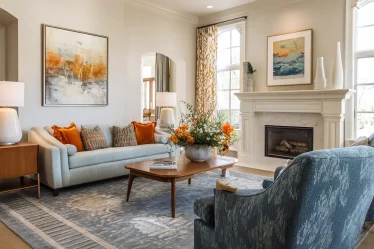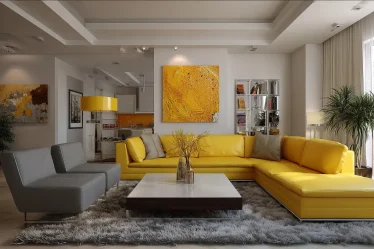
Introduction
Starting your first living room from scratch can feel exciting, but it can also feel stressful. You may have an empty room, a limited budget, and no clear idea where to begin. Many first time homeowners make the same mistake. They buy random pieces too early, then the room feels crowded, mismatched, or unfinished.
The good news is that you do not need to get everything perfect on day one. You just need a smart plan. A good living room starts with the basics, then grows step by step. When you focus on layout, comfort, storage, and style in the right order, the room comes together much faster.
These living room ideas for first time homeowners will help you build a space that feels comfortable, useful, and easy to improve over time.
1. Start with the layout before you buy anything
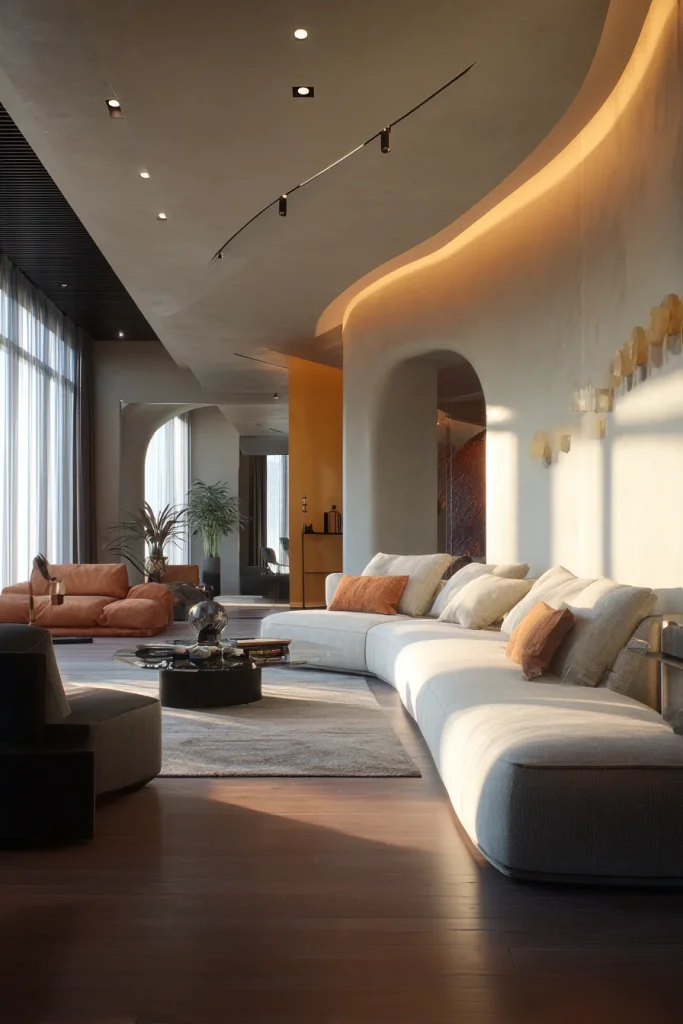
The first step is not shopping. It is planning. Before you buy a sofa, rug, or table, look at the shape of the room. Think about where people will sit, how they will walk through the space, and what the room needs to do every day.
Some living rooms are mainly for relaxing. Some need to handle guests, TV time, work, or family time. When you know the purpose, it becomes easier to choose the right furniture.
A simple floor plan can save money because it stops you from buying pieces that do not fit.
2. Buy the sofa first because it sets the room
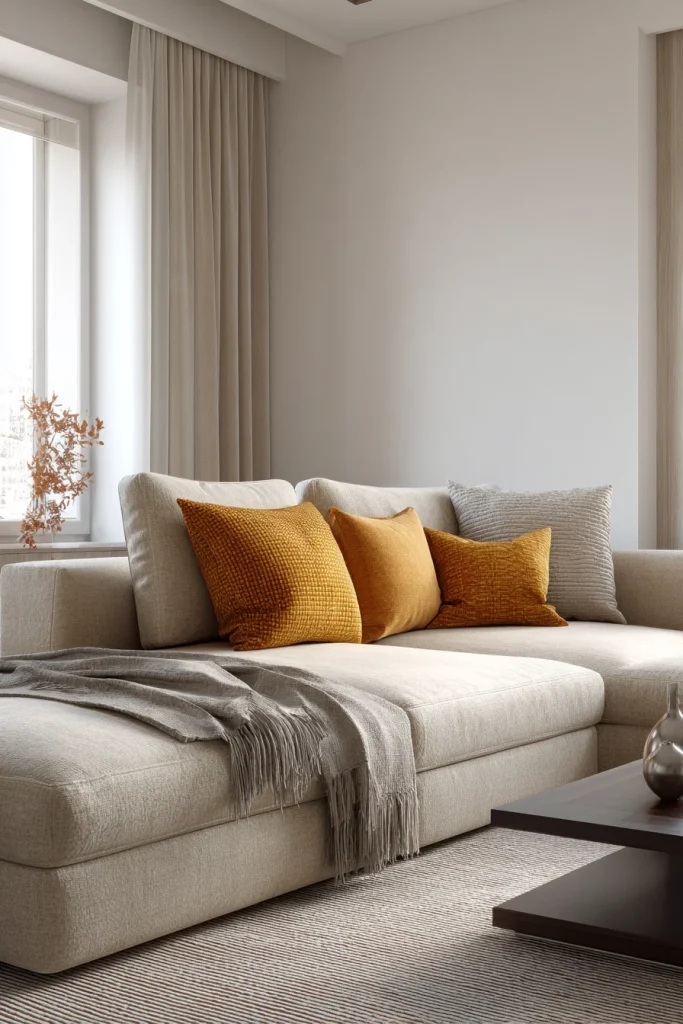
The sofa is usually the biggest piece in the living room, so it should come first. It sets the tone for comfort, color, and size. If the sofa is too big, the room feels tight. If it is too small, the room can look empty.
For first time homeowners, a neutral sofa is often the safest choice. It gives you more freedom with pillows, throws, art, and rugs later. It also makes it easier to change the look of the room without replacing the biggest item.
Comfort matters just as much as looks. A sofa that looks nice but feels bad will become a daily regret.
3. Choose a rug that grounds the space
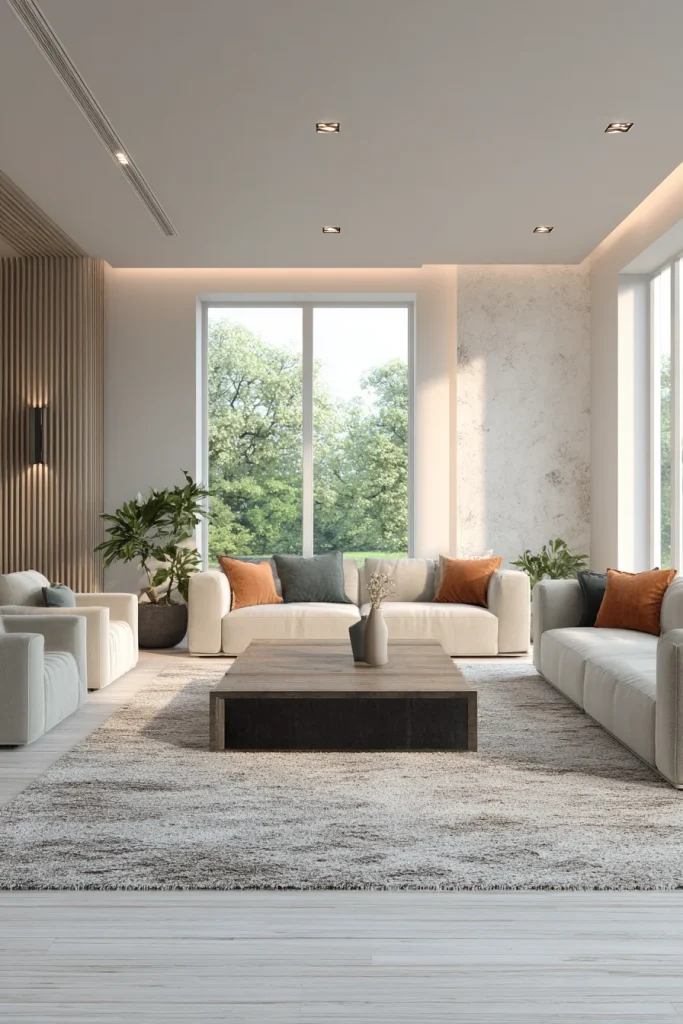
A rug helps the room feel finished. It connects the furniture and gives structure to the layout. Without a rug, a living room often feels like separate pieces floating around the room.
The size matters a lot. A rug that is too small makes the whole room feel off. A better choice is one large enough for at least the front legs of the sofa and chairs to sit on it.
This is one of the easiest ways to make a new living room look more put together.
4. Use a coffee table that fits your real life
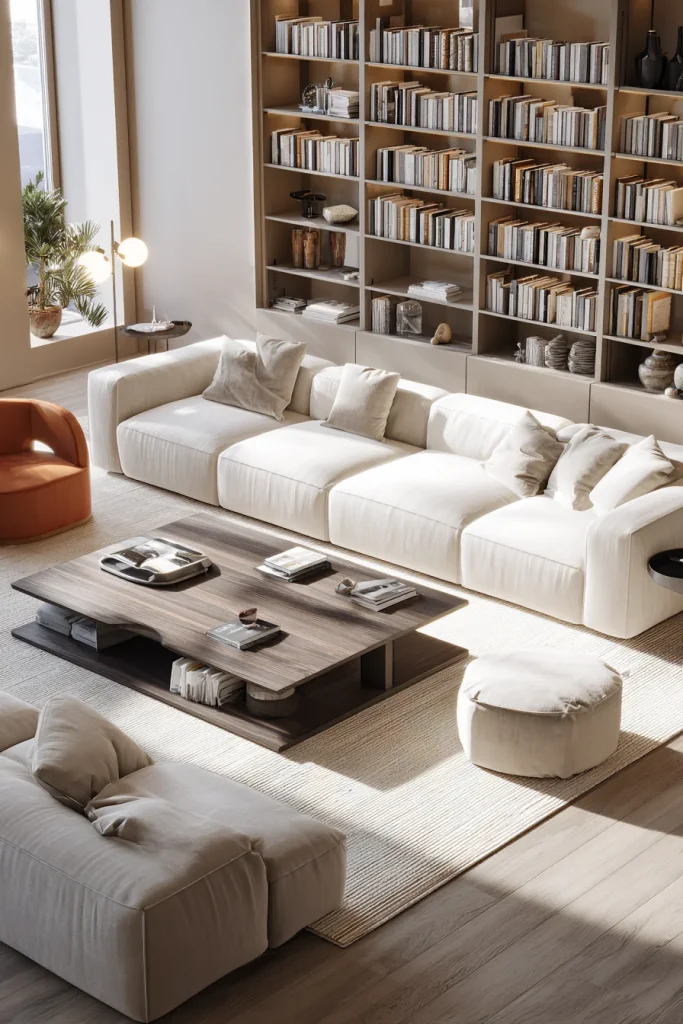
A coffee table should do more than fill space. It should match how you live. If you host guests often, you may want more surface space. If you have kids, soft edges may be the better choice. If storage is limited, a table with shelves or hidden space can help.
The right coffee table makes the room more useful. It gives you a place for drinks, books, remotes, and decor without making the room feel crowded.
Keep enough walking space around it so the room stays easy to move through.
5. Add lighting from more than one source
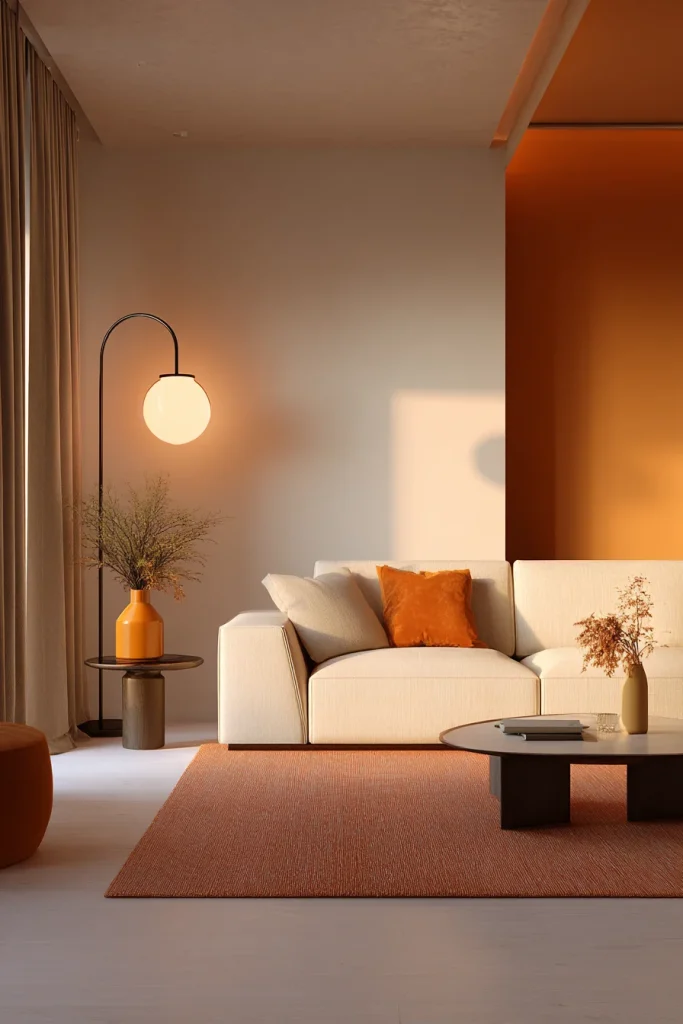
Many first time homeowners rely only on one ceiling light. That usually makes the room feel flat and harsh. Good living rooms use layers of light.
A floor lamp can brighten a dark corner. A table lamp can make the room feel warm in the evening. Wall lights or small accent lights can add depth.
Lighting changes how the room feels more than people expect. It can make a plain room feel calm, cozy, and welcoming.
6. Pick a simple color palette early
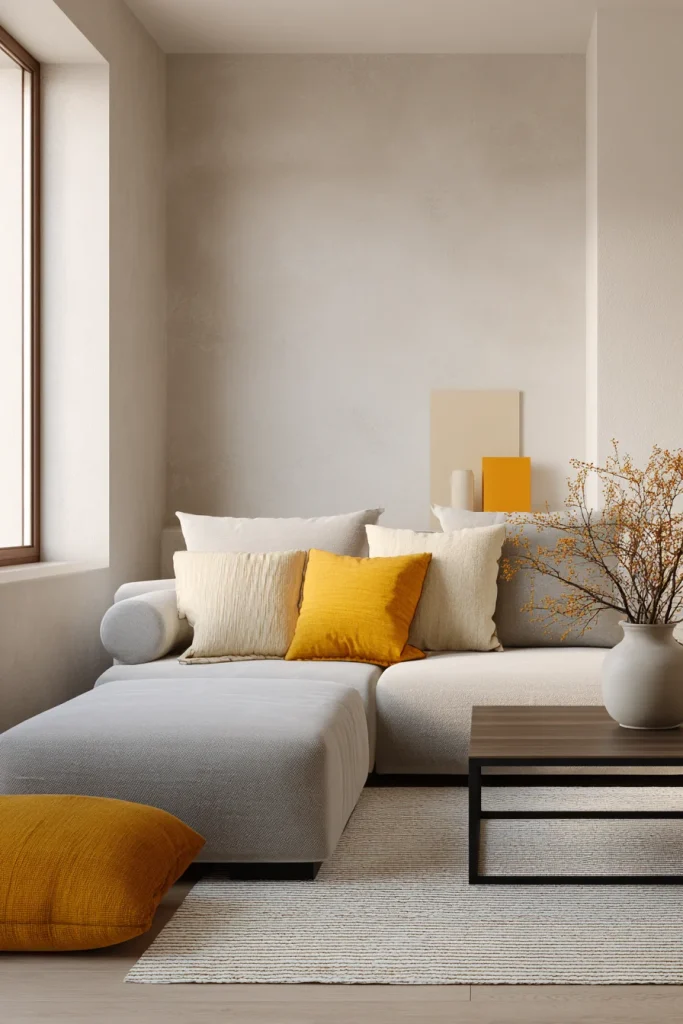
A clear color palette helps everything look more connected. Without one, it is easy to keep buying items that do not work together.
A simple approach is best when starting from scratch. Use one base color, one or two support colors, and one accent color. This keeps the room balanced and easy to build over time.
Neutral walls and larger furniture pieces also make future updates easier.
7. Mix new pieces with budget finds
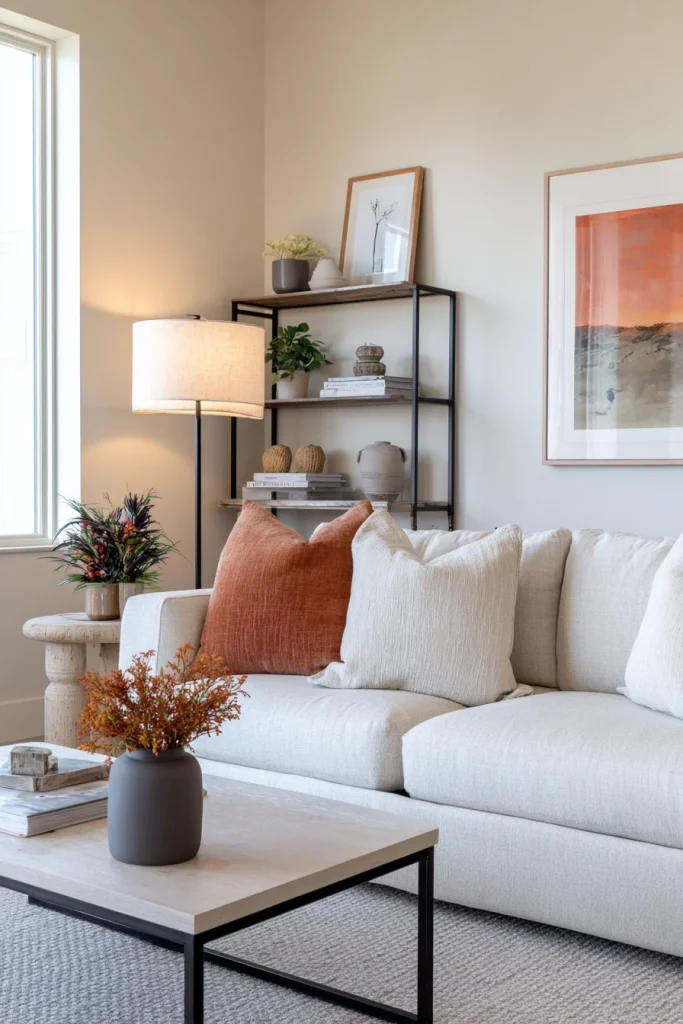
You do not need to buy everything brand new. In fact, mixing price points often makes a room look better. A new sofa can work well with a secondhand side table, a budget lamp, or simple shelves.
This helps first time homeowners stay within budget while still creating a room with character. It also removes pressure to finish everything at once.
The goal is not to make the room expensive. The goal is to make it feel personal and useful.
8. Add storage that does not look heavy
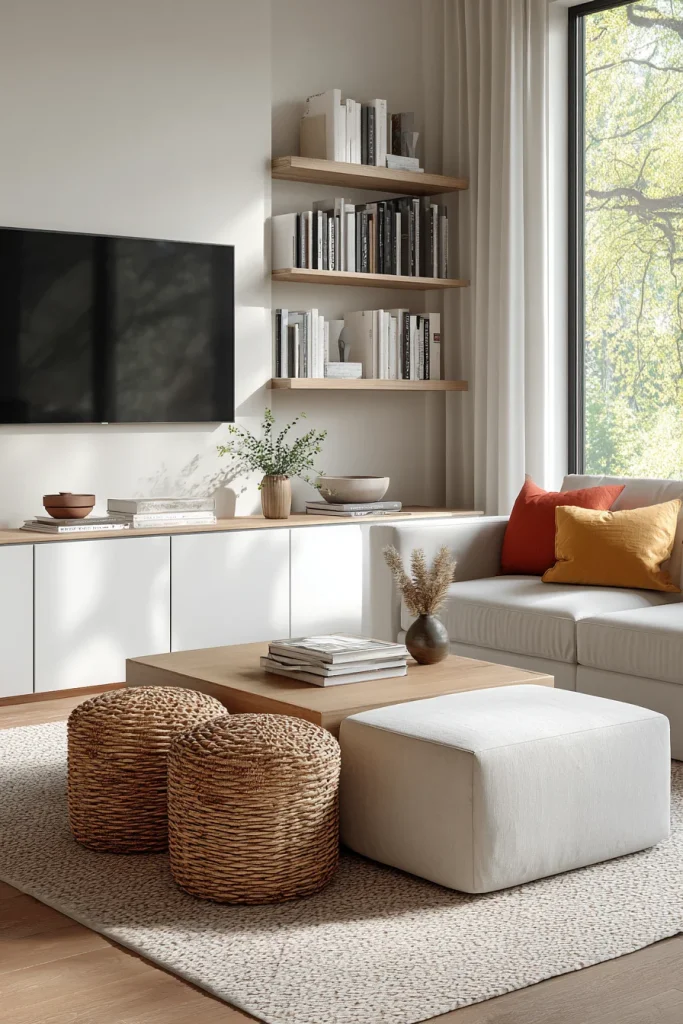
Living rooms collect things quickly. Blankets, books, remotes, chargers, and small daily items can pile up fast. That is why hidden storage matters.
Storage ottomans, baskets, console tables, and closed cabinets can keep the room tidy without making it feel overloaded. This is especially helpful in smaller homes where the living room may need to do more than one job.
A room feels calmer when clutter has a place to go.
9. Use wall art to make the room feel lived in
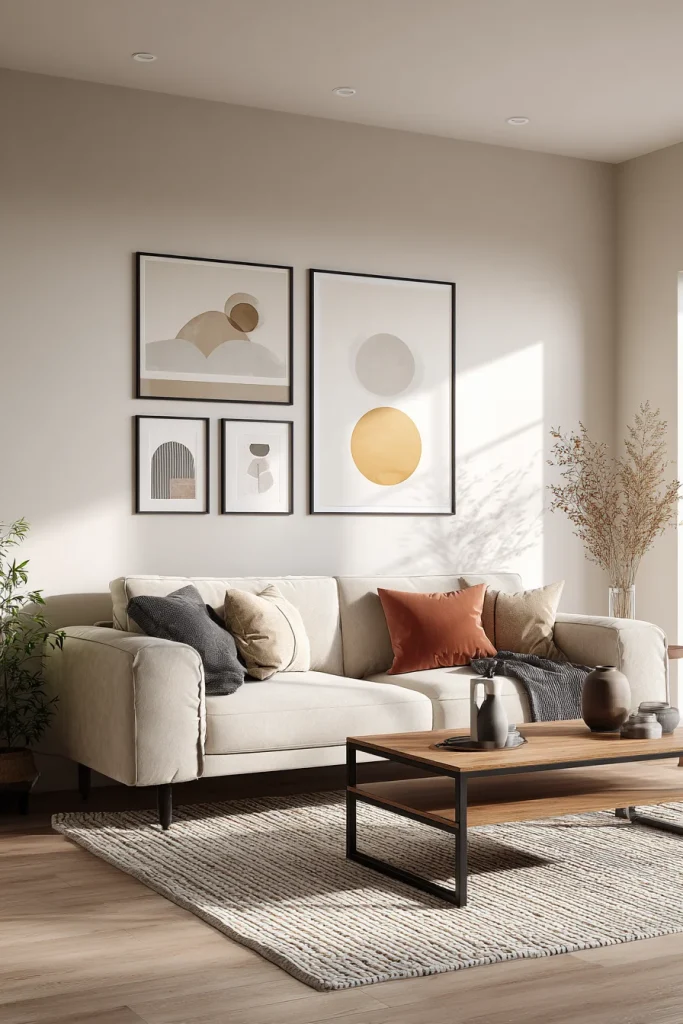
Blank walls make a new home feel unfinished. Art helps bring warmth and personality into the room. It also helps fill vertical space so the room feels balanced.
You do not need expensive pieces. Framed prints, family photos, simple canvases, or even one large statement piece can work well.
The key is scale. Art that is too small can disappear on a big wall. Choose pieces that match the size of the furniture below them.
10. Bring in texture so the room does not feel flat
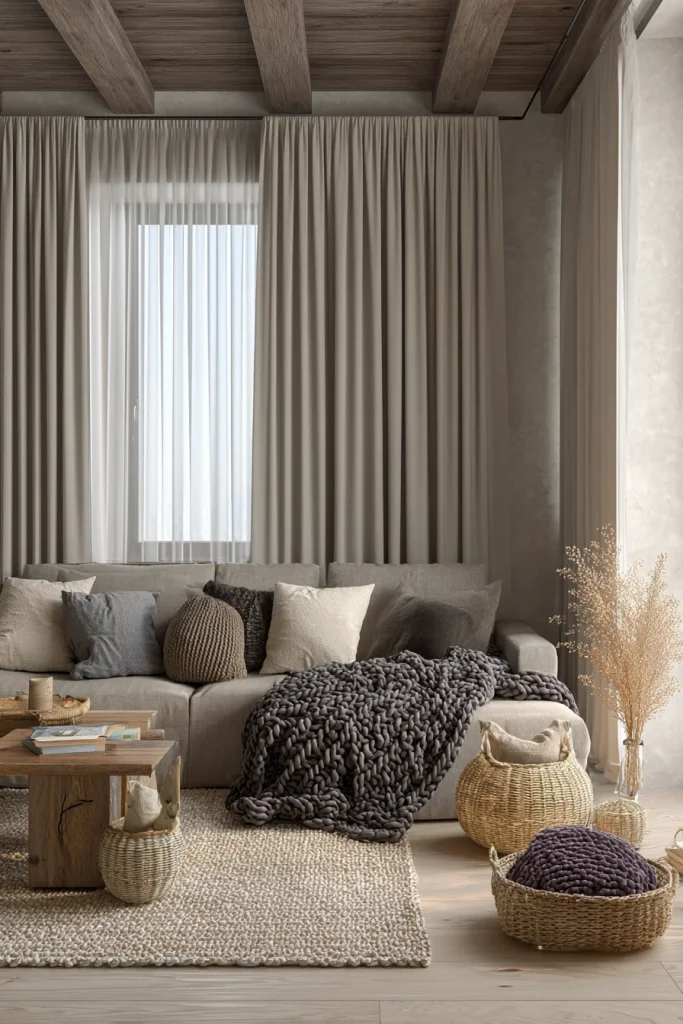
When everything is smooth or the same color, a room can feel dull. Texture fixes that. This can come from pillows, throws, rugs, curtains, baskets, wood, or woven decor.
Texture adds warmth without needing bright colors or extra furniture. This is very useful for first time homeowners who want the room to feel cozy but still simple.
Small changes in texture can make the whole room feel richer and more complete.
11. Do not push all the furniture against the walls
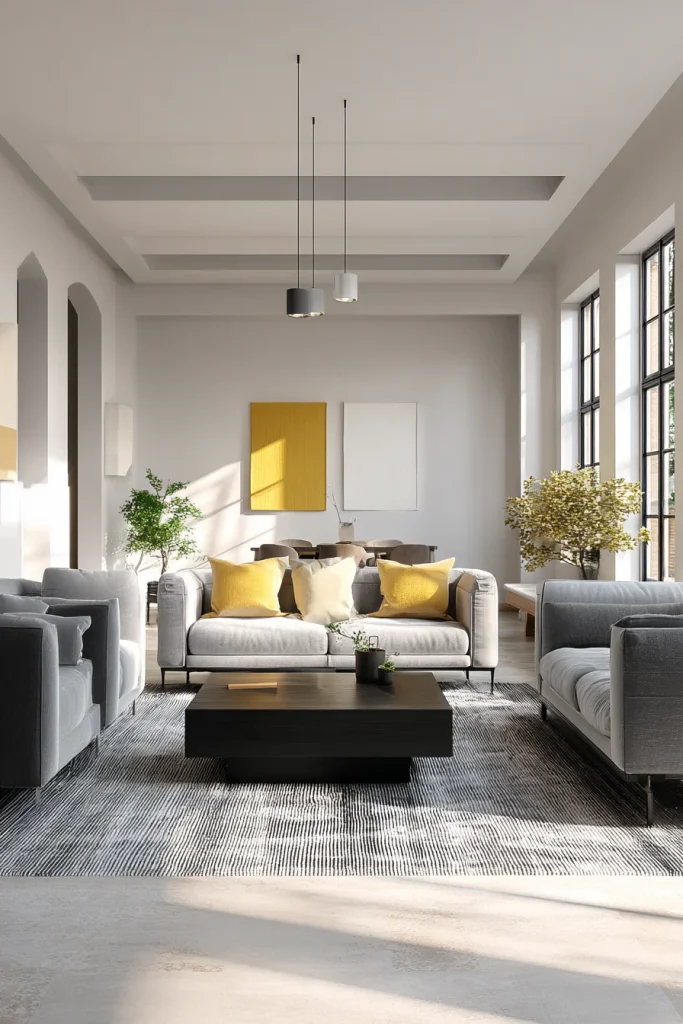
Many people think pushing furniture to the edges makes the room look bigger. In many cases, it does the opposite. It can make the room feel disconnected and empty in the middle.
Pulling the sofa or chairs slightly inward often creates a better conversation area. It makes the room feel more intentional and comfortable.
Even a few inches can improve the layout.
12. Add one accent chair if space allows
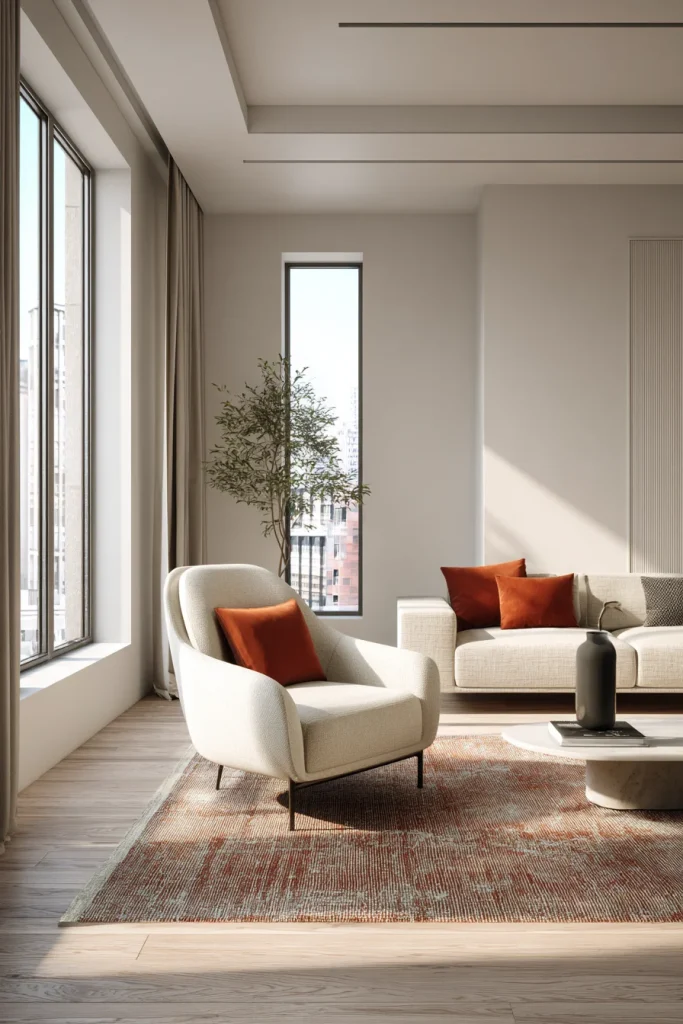
An accent chair can make the room feel finished and more flexible. It adds extra seating, fills an empty corner, and gives the room more shape.
Choose one that fits the scale of the room. In small spaces, a chair with open arms or visible legs can feel lighter than a bulky one.
This is a smart way to add style without taking over the whole room.
13. Use curtains to make the room feel softer
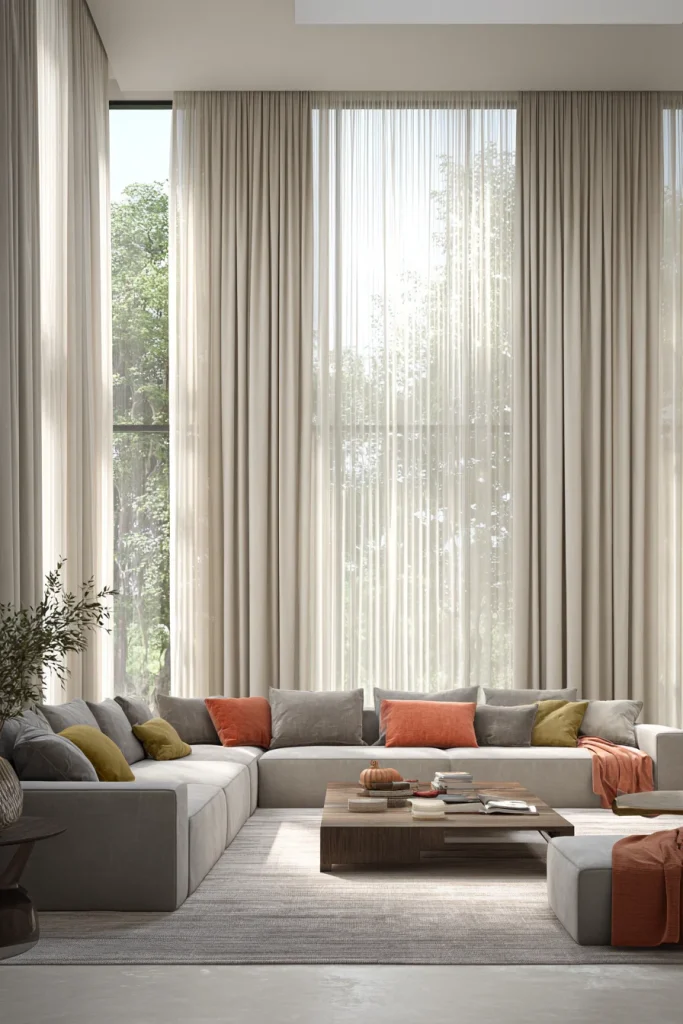
Curtains do more than cover windows. They add softness, height, and privacy. They can also make a room feel larger when hung properly.
A common trick is to hang curtains higher and wider than the window frame. This makes the windows look bigger and the ceiling feel taller.
For first time homeowners, this is one of the easiest ways to improve the room fast.
14. Leave some empty space on purpose
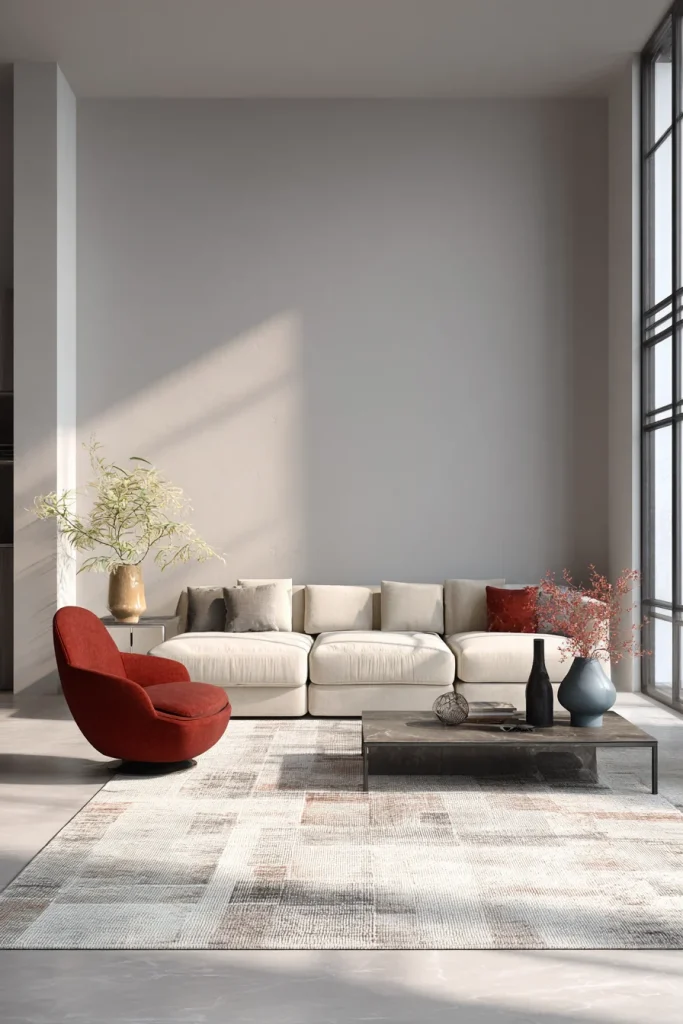
A living room does not need to be filled in every corner. Empty space is useful. It gives the eye a place to rest and keeps the room from feeling crowded.
This is important when starting from scratch because there is often pressure to finish everything right away. But a better room usually comes together slowly.
It is better to have space than to fill it with the wrong item.
15. Build the room in layers over time
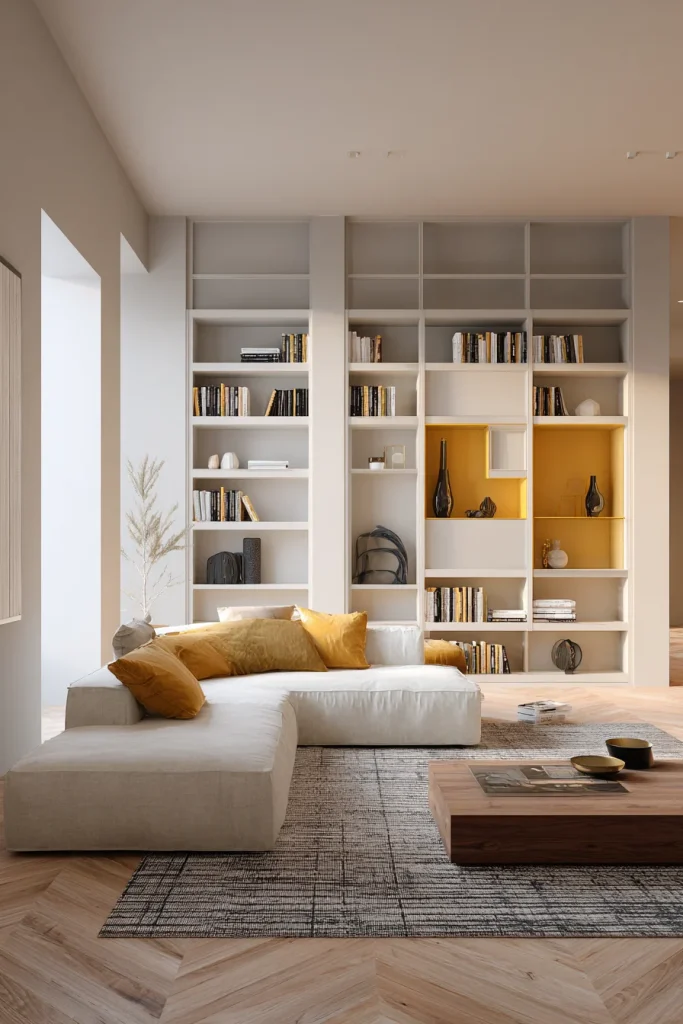
The best living rooms are not usually finished in one weekend. They grow step by step. Start with the main pieces first, then add smaller items as you live in the space.
You may learn that you need better lighting, more storage, or a different layout after a few weeks. That is normal. Living in the room helps you make better decisions.
This approach saves money and leads to a room that feels right for your real life.
Conclusion
Starting your first living room from scratch can feel overwhelming, but it gets much easier when you focus on the basics first. Start with the layout. Choose the sofa carefully. Add the right rug, lighting, and storage. Then build around those pieces over time.
You do not need a perfect room right away. You need a smart one. When each piece has a purpose, your living room will feel comfortable, practical, and ready to grow with you.
If you want, I can turn this into a stronger SEO version with separate H2 headings, keywords, and intro hook for ranking.

- 17 Classy Living Room Ideas for a Cozy Elegant Look - April 23, 2026
- 16 Dark Moody Living Room Ideas That Feel Rich and Warm - April 22, 2026
- 14 Elegant Bedroom Trends for 2026 You’ll Love - April 22, 2026